Uncategorized

Happy Announcement: Another published poem!

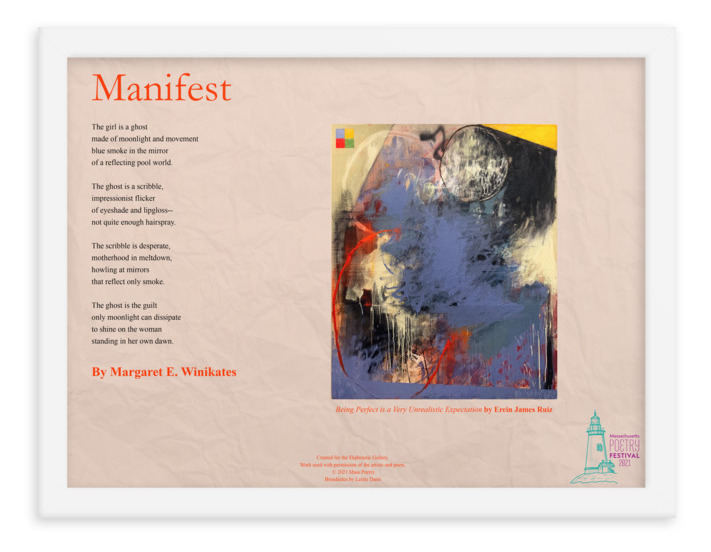
I was incredibly thrilled to hear that the Mass Poetry Festival was returning for 2021, as it has been an incredible source of inspiration and community for me for years. I was even more happy to see that as part of this year’s festival, they were running a contest for the creation of ekphrastic poetry (a personal favorite). They invited any and all to respond poetically to any of 12 works of art from those in the Montserrat College of Art community, and the top poem for each piece would be exhibited online and also be sold as broadsheet posters to support MassPoetry.

I am honored and excited to say that my poem, “Manifest,” inspired by the painting “Being Perfect is a Very Unrealistic Expectation” was chosen to be part of the exhibition and the broadsheet publication.

The girl is a ghost
made of moonlight and movement
blue smoke in the mirror
of a reflecting pool world.

You can use the link above to jump straight to my poem, or you can visit the whole exhibit here:

Mass Poetry Online Ekphrastic Gallery

If you are so inspired, you can purchase any of the broadsides from the gallery here. (Bit of vanity, direct link to mine is here.)

Uncategorized

#MPF17 Wrap-Up: “Solarpunk Serenades” workshop

The second workshop I led for MassPoetry Festival 2017 was “Solarpunk Serenades,” which was an introduction to the world of eco-conscious, optimistic, near-future science fiction that is now termed solarpunk.  Arguably, there are moments in poetry, publishing, and popular culture which have fit this bill in the last hundred years at least, but now it has a name, and an opportunity to make its mark in sci-fi literature, aesthetics, design, and imagination the same way cyberpunk or steampunk have.

The slides below contain links to and names of most of the resources I mentioned in my presentation, for both the context and history of solarpunk, and places to find inspiration to write your own. There are also three themed writing prompts with visual cues.  You can find most of those visuals and links to their originals on my Pinterest board. It was fabulous to see such a packed room of optimistic geeky poets, and I was really impressed with the breadth of imagination and vivid imagery that people who chose to share their poem drafts demonstrated. Thanks for inspiring me in return, poetpunks!

You can also download the handout from this workshop, with examples of poems both new and classic that use some solarpunk ideas and ideals here: SolarpunkSerenades workshop handout.

Uncategorized

#MPF17 Wrap-up: “On Beyond Giggles: Writing Poetry for Children”

In my sixth year of attending the Massachusetts Poetry Festival, I once again listened to amazing poets that were new to me, reconnected with friends and colleagues, and came away with several pages of thoughts on poems I want to write (even a few scribbled draftlets!).

I also led two workshops on Sunday morning of the festival, the first of which was “On Beyond Giggles: Writing Children’s Poetry.”

Several of the folks in the room currently write poetry for children, others were interested in getting into writing for a younger audience, and all of us spent a little time thinking about who we were as children to get in the right mindset for the rest of the workshop.

Who were you when you were five years old? What did five year old you like to play? Who were your friends? Did you have a favorite toy or hideout or joke? Did you have siblings to play with, fight with, or play jokes on?

Who were you when you were seven? Did you have the same friends or new ones? The same fights? The same favorite color?

Who were you when you were ten? Were you out exploring your neighborhood? Getting into reading or sports or board games? Who were your friends? What were you afraid of? What made you laugh?

After calling our kid-selves back to the surface, we looked at some examples of great and effective children’s poetry, and talked about the poems we remembered from childhood ourselves, or from our kids’ favorites. Then we wrote, inspired by several prompts from one of my favorite kids’ poets, Jack Prelutsky.  People came up with some fantastic verse, rhyming and free verse, inventive and imaginative, silly and sweet (and bittersweet too).

IMG_5114

The slides from the workshop are here below.  Thanks to all the hardy folks who attended on an early Sunday morning to talk and write playful poetry with me!

Uncategorized

MassPoetryFest17 Schedule is Up!

…And signups are now available for my two workshops, among many other fantastic looking offerings, here. As always, there’s a great diversity of poets, styles, forms, and ideas represented in the schedule, and I’m really looking forward to attending this year, as well as leading the two workshops on Sunday morning.

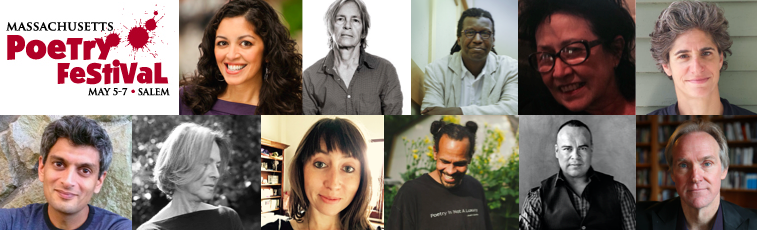
mpfheader17.png

Solarpunk Serenades

Solarpunk, the optimistic, eco-conscious, sci-fi of the near future, is a great fit for the imagination and whimsy of a poet. We’ll look at some examples of poems old and new that reflect the solarpunk ideals, and experiment with writing prompts. Bring your futurist dreams of conversing with whales, living in a treehouse, and using solar sails to reach Mars to this workshop.

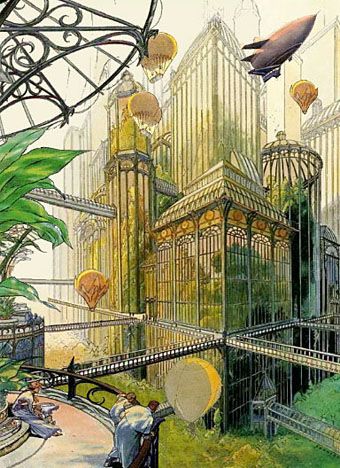
byfrancoisshuiten
City Concept by artist Francois Shuiten

On Beyond Giggles: Writing Children’s Poetry

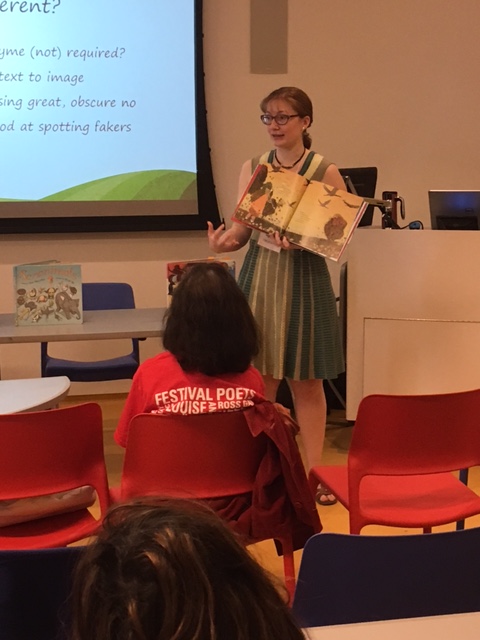
What makes a poem for children successful? Does it have to rhyme? Use short words? Feature at least one thing to gross you out? We’ll look at examples from a number of poets who write for younger audiences, and try out some of their techniques with a selection of writing prompts. Feel free to bring an example of one of your favorite poems for kids to add to the discussion!

Red-Sings-from-Treetops-sailboat-1024x764
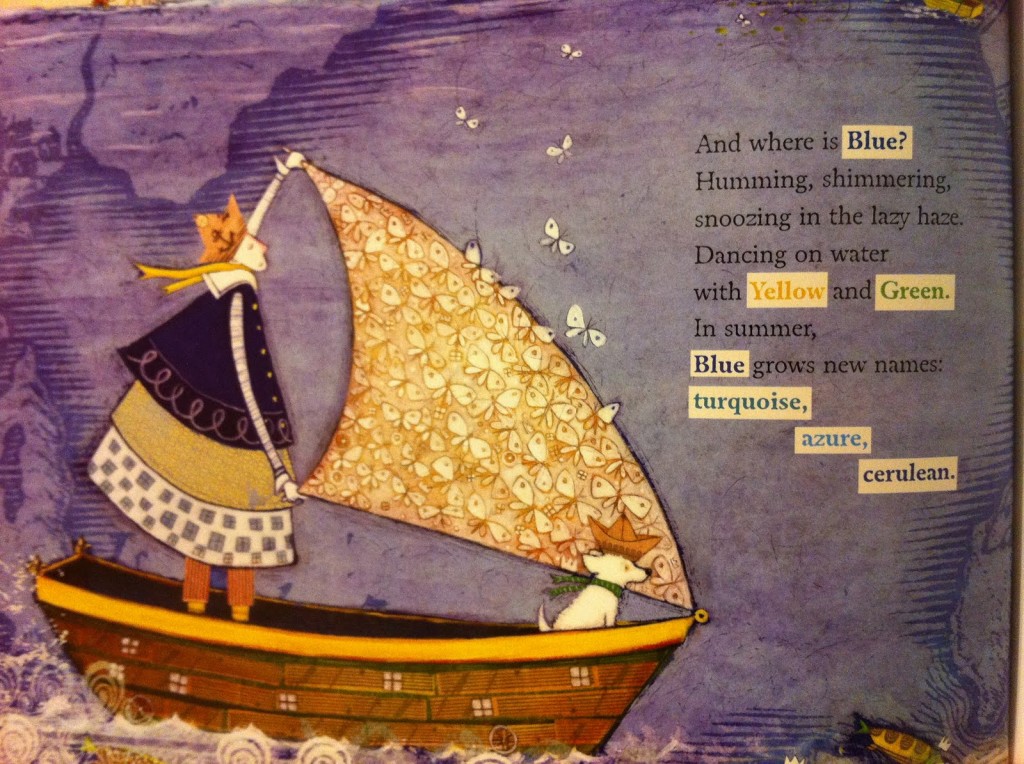
Page from Red Sings from Treetops, written by Joyce Sidman and illustrated by Pamela Zagarenski


Uncategorized

The World in a Grain of Sand

As always, the Mass Poetry Festival was awesome. The sun shone on the small press fair and the Poetry Circus, the readers were in good voice, and it was fabulous catching up with friends. I particularly enjoyed the “embodied creativity” yoga & writing workshop and the poets who read their works written in Emily Dickinson’s bedroom. My thanks and compliments to everyone involved in carrying out the festival: the hard-working staff at MassPoetry, PEM, and the scores of volunteers.

As part of the festival, I had the pleasure of leading another workshop at the Peabody Essex Museum on connecting poetry to visual art, this time focusing on the idea of incorporating scale. I had a group of about 30 people and loved getting to introduce them to the Art & Nature Center’s current show, Sizing it Up: Scale in Nature and Art.

IMG_20160430_154243772
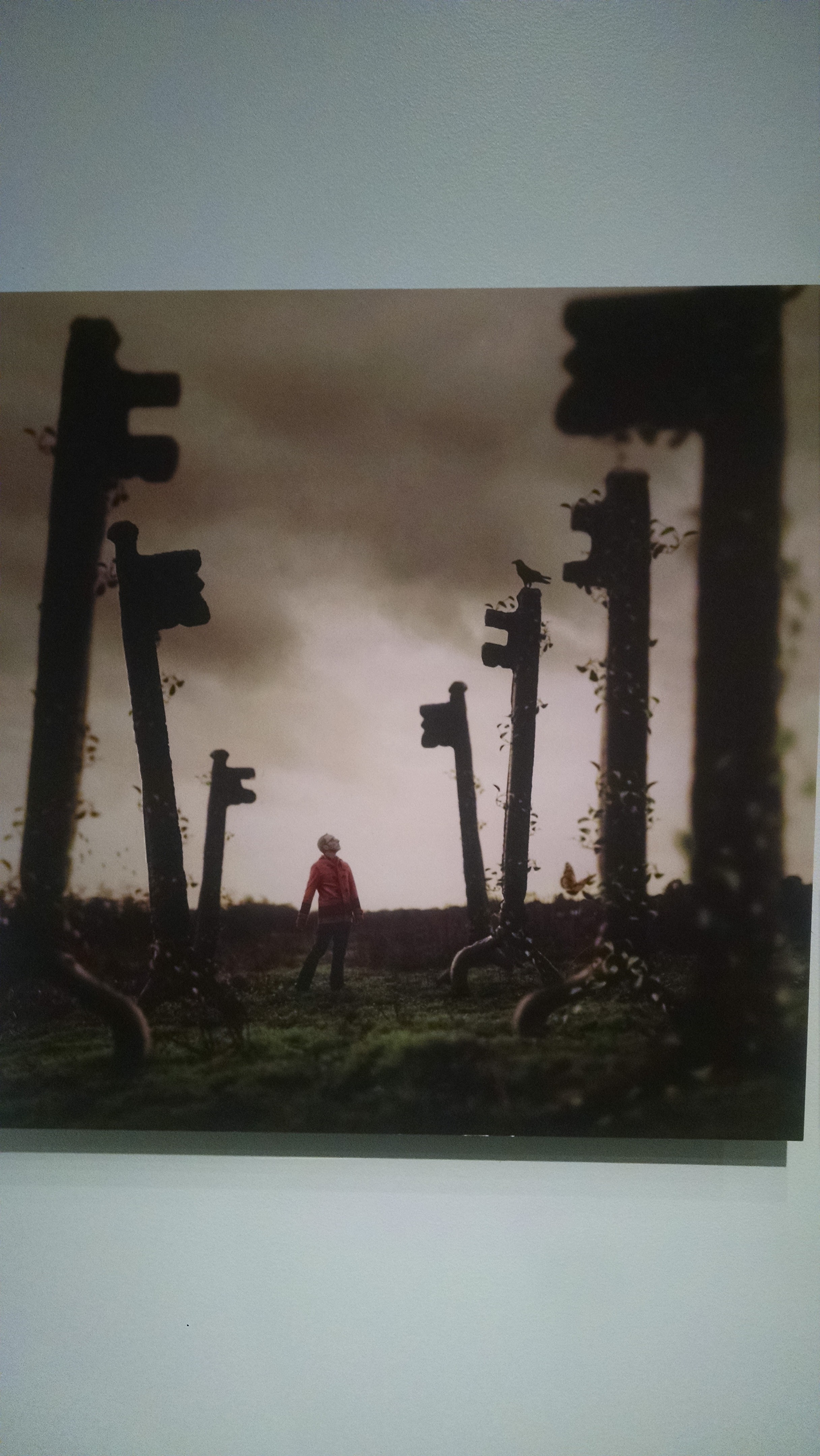
Led to Your True Path, Joel Robison, 2014. Part of the Sizing it Up exhibition at the Peabody Essex Museum

We started by defining ‘scale’ for the purposes of the workshop:

  • Visual (comparison to human scale)
  • Extra-visual (too extremely small or large for human perception)
  • Physical (in relation to your body)
  • Constructed (in relationship to your page or canvas)

To get our brains in gear, we did a ‘constructed scale’ poetry writing exercise, where people picked a piece of paper that was not their usual notebook size (register tape, index cards, post-it notes) and drafted a poem where the lines fit the size of the paper exactly, no line breaks too short or too long for the physical space.

Then we went into the gallery to read a few poems that use scale, next to visual art works that evoked the same feeling.

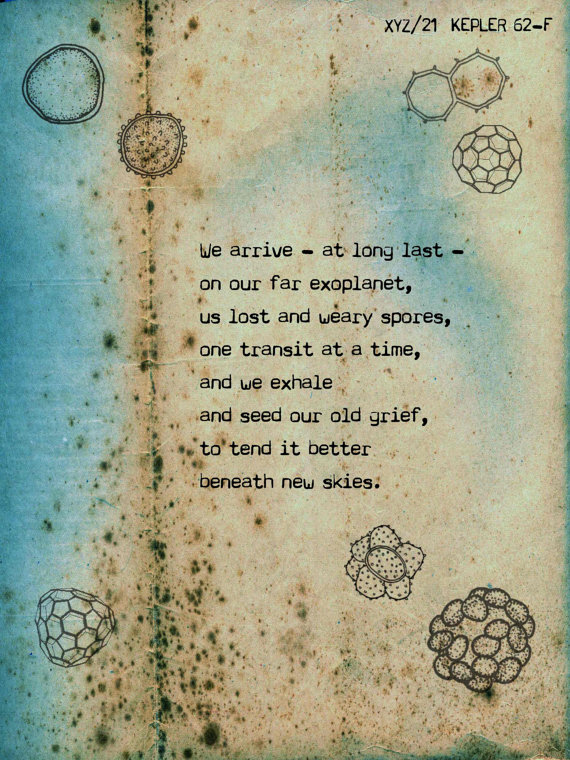
Searching for Goldilocks, by Angela Palmer, is an artwork that depicts all the exoplanets (planets found outside our solar system) including ones in the ‘Goldilocks zone’ that might contain recognizable life like our own Earth. (You can read more about planets in the Goldilocks zone here) Next to Searching for Goldilocks, we read “Kepler 62-F” by xYz, which is the pen name of Joanna Tilsley.

xYz kepler62F

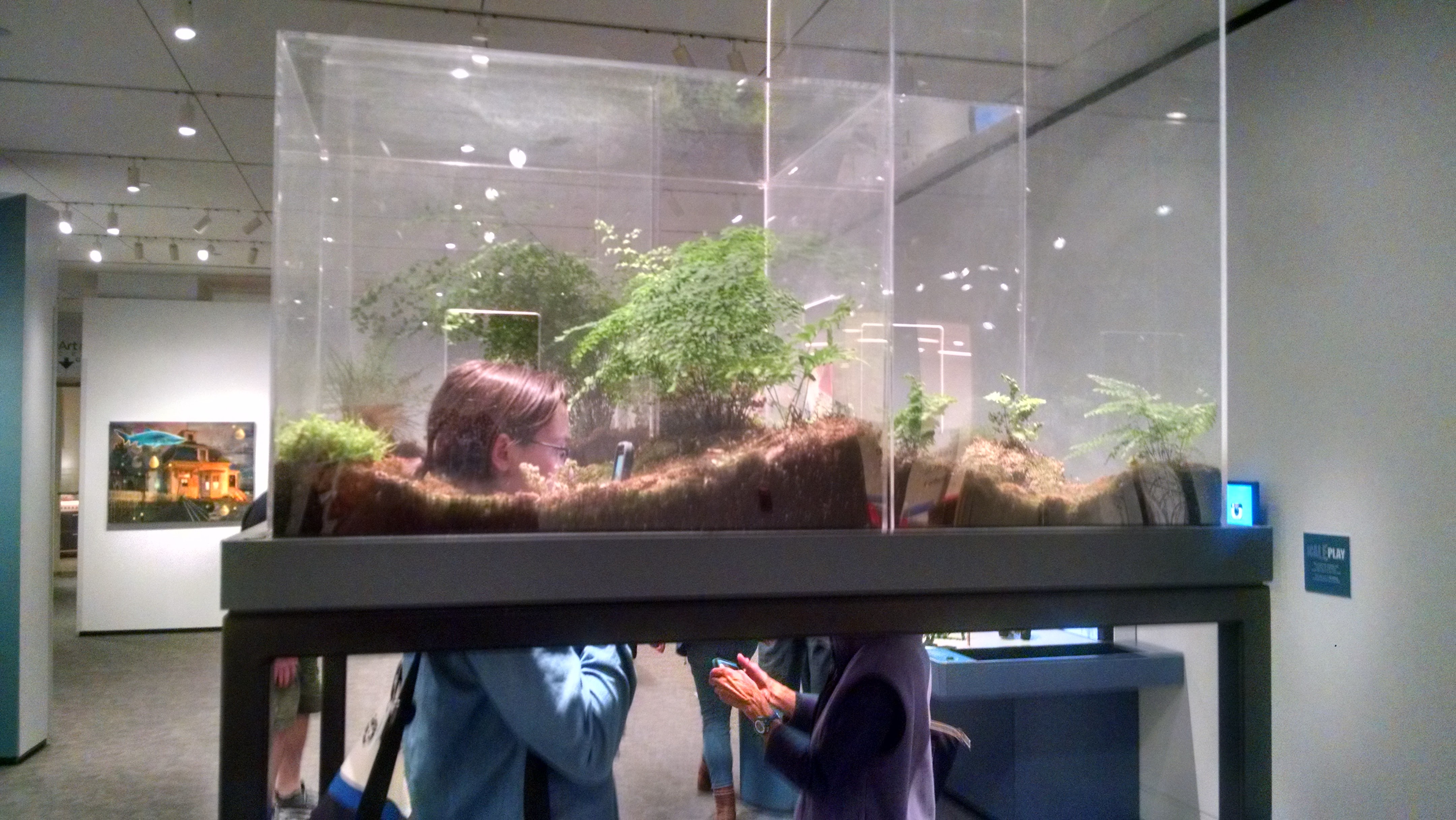
Metropolis, by Vaughn Bell, is an artwork that allows up to four people to get their faces at forest floor level by stepping under and up into a series of connected terrariums featuring local plantlife.

IMG_20160430_153942058_HDR
Workshop participants experiencing Metropolis.

Next to Metropolis, we read “The Scale of Things,” by Margaret Tait (originally published in The Hen and the Bees, 1960)

The Scale of Things
by Margaret Tait

There’s a whole country at the foot of the stone
If you care to look
These are the stones we have instead of trees
In the north.
Our trees all got lost,
Blown over or cut down
Long long ago, and some of them lie there still in the
peat moss
Or fossilized in limestone.
At the shady foot of trees
Certain things grow,
But at the foot of stone grow the sun-loving
wind–resisting short plants
With very small bright flowers
And compact, precise leaves.
The wind whips the tight stems into a vibration,
But they don’t break.
The full light of the sun reaches right down to the
ground,
And reflects obliquely and sideways in among and
under the snug leaves,
And settles on the stone too,
Makes a glow there,
A sufficient warmth and clarified light.
The stunning frequencies seem to get absorbed
And if you stare closely at the stone
It’s a calm light, not too blue,
Precisely indicating its variegated surface.
The great stone stands,
On a different scale, in a way, from the minute plants
at its base.
A proliferating green lichen
Grows on it
As well as round golden coin-patches of another
common lichen,
And only in the earth right up to the very stone but
not on it
Grow the crisp grass
And all the tiny plants and flowers
Which, together interlaced and inter-related,
Make the fine springing turf which people and animals
walk on.

Then I set the workshop participants free to spend about 20 minutes in the gallery brainstorming in front of one or more pieces of scale-related art, after which we shared our reactions and results. It was especially neat to hear which artworks drew people in, and how many participants felt the same dislocation as Alice or Gulliver, feeling themselves suddenly much larger or smaller than ever before. Several people also headed back into the gallery to spend more time with the art after the workshop, which felt like success to me.

You can download the handouts (writing exercise directions, poems, and more) here: The World in a Grain of Sand handout. I highly recommend a visit to the museum while you’re at it!

Finally, here are a few cool scale-related links I used in my research for the program, if you’d like to explore more:

Uncategorized

Should everyone write poetry?

It’s National Poetry Month! Lots of fun poetry news and discussion to share with you this month.

I recently re-encountered an article from 2014: “Everybody Should Write Poetry” by Peggy Rosenthal. I had bookmarked it because I was drawn to the idea that “everyone needs to nestle down inside language to get to know its ways, to get comfy with how playful it can be, how expansive, how unexpected in its openings to new experience.” It reminded me of the kinds of conversations I’ve had in the other part of my professional life, among those of us who work in museums and in education and in the arts. Participating in something; taking a class in glass fusing, for instance, gives you an appreciation for the process and the artistic choices and the intricacies of both which you keep forever, however lopsided or surprising your own* efforts turned out to be. (*Meaning, of course, my own!)

On the same day I apparently bookmarked an article with suggestions on “How to Read Poetry” – not requirements, but suggestions on ways to approach it without the apprehension of ‘getting it wrong.’ Again, a discussion that we keep having in museums and symphonies and similar venues; how do we best let people know that, barring actual destruction, there aren’t really ways to be ‘wrong’ in such spaces? (Perhaps we should take some marginalia notes ourselves.)

So what do you think? “Should” everyone write poetry? (or make art? or play music? or fix a car?) What’s your favorite way to approach a new poem or experience?

Finally, a shameless plug, because I firmly believe that while ‘shoulds’ are odious, ‘go for its!’ are necessary and beautiful.  Therefore, if you feel like writing poetry, go for it! and you can even do some writing with me:

“Something New, Something Strange: Found Poetry” at Longfellow National Historic Site, this Thursday, 4/7, at 6:30 pm

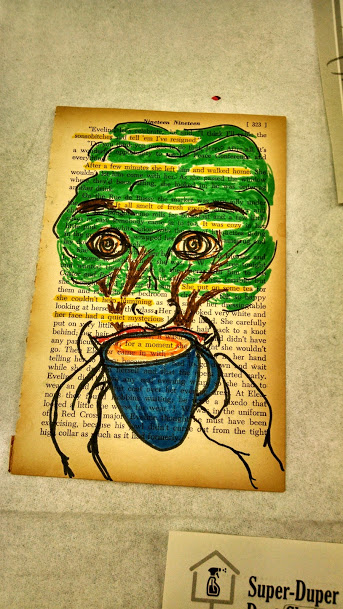
visitor altered page at PEM

“Grace Unto Every Art: Poetry from Visual Art” also at Longfellow National Historic Site, Saturday, 4/16, at 2 pm

p5250054

“The World in a Grain of Sand: Incorporating Scale in Poetry and Art” at the Peabody Essex Museum, Saturday, 4/30, at 3:15 pm (Part of the Mass Poetry Festival!)

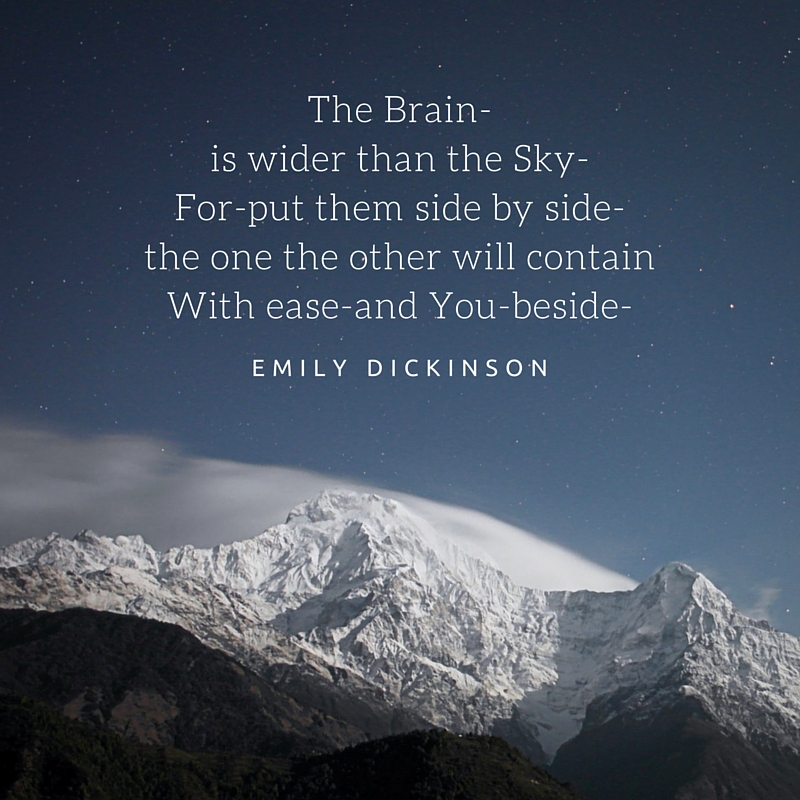
The Brain-is wider than the Sky-For-put them side by side-the one the other will containWith ease-and You-beside-

Uncategorized

Poetry Ahoy! Upcoming Workshops

National Poetry Month is still more than a month away, but I’m already in planning mode. (Meanwhile, did you know February is Library Lover’s Month? Go hug your favorite librarian!)

meg for emporium32 2015
‘Found poetry’ from old books! Playing with scale in literature and art! April is going to be awesome. (Photo by Nate Buchman, http://www.natebuchman.com/ for Emporium 32, http://emporium32.com/ Go check them out if you like the jewelry I’m wearing in this photo.)

I’m very pleased to announce that I’ll be leading three poetry workshops in April!  If you’re in the driving-distance-from-Boston area, I hope you’ll stop by and join me for some playing with words and art.

Something New, Something Strange: Found Poetry
April 7, 6:30 pm, Longfellow National Historic Site, Cambridge

In Longfellow’s poem “Keramos,” a potter at his wheel says, “All things must change/To Something new, to something strange.” Recombine, illustrate, and give shape to old forms using found poetry techniques with poet and educator Meg Winikates as part of our celebration of National Poetry Month. Please call (617)876-4491 or email reservationsat105@gmail.com to reserve your spot!

Grace Unto Every Art: Poetry from Visual Art
April 16, 2:00 pm, Longfellow National Historic Site, Cambridge

Whether it was shipbuilding, smithing, sculpting, or singing, Henry Longfellow found poetry in all forms of art. Join poet and educator Meg Winikates to explore ekphrastic poetry, enjoy the Longfellows’ art collection, and write your own art-inspired pieces as part of our celebration of National Poetry Month. Please call (617)876-4491 or email reservationsat105@gmail.com to reserve your spot!

The Brain-is wider than the Sky-For-put them side by side-the one the other will containWith ease-and You-beside-

The World in a Grain of Sand – Incorporating Scale in Poetry and Art
Massachusetts Poetry Festival (April 29, 30 or May 1), Peabody Essex Museum, Salem

Galaxies and exoplanets, scanning electron microscopes, 4 million queries per minute on Google: in our ever expanding universe, is the human brain still ‘wider than the sky’ as Emily Dickinson said? What is the role of poet or artist in helping us understand how and where humans fit? Join poet and museum professional Meg Winikates to explore the use of scale in poetry and art in PEM’s Sizing It Up exhibition, experiment with physical and mental scale in your writing, and generate a poem idea (or three!) inspired by the artworks on view.
Buttons for the festival are not yet on sale, so keep checking the MassPoetry site for updates on button sales and scheduling!


Uncategorized

Video: My reading at MassPoetry’s U35

I had a fabulous time a few weeks ago reading at the Marliave Restaurant in Boston, as part of MassPoetry’s U35 reading series. You can check out the videos of the other readers from that evening (Chen Chen and Sarah Tourjee) on the U35 site, as well as the bios for November’s upcoming readers.

Also, don’t forget that MassPoetry is accepting festival session proposals until the end of this month! If you have a panel, reading, or workshop idea, make sure to submit here before October 30.

Uncategorized

Sounds, scuba, and spine-tingles: MA Poetry Fest 2015 wrap-up

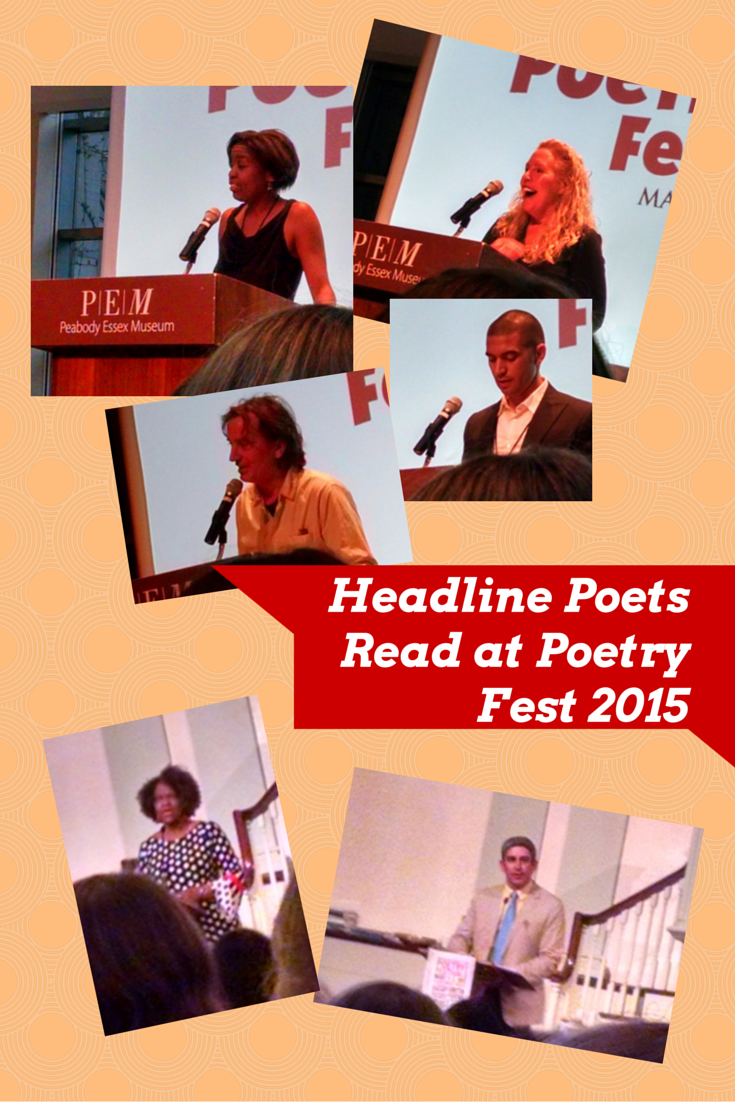
Headline Poets Read at MA Poetry Fest I have a fabulous time at the Mass Poetry Festival every year.  Every year I learn something new about writing, I am bowled over by a poet (or multiple poets) whose work I hadn’t before had a chance to appreciate, I get to spend time surrounded by people who love words as much as I do, and I come away exhilarausted, which is that peculiar state of wiped out and buzzed that comes from too much inspiration in too short a time period.

As always, the headline poets were fantastic. I didn’t make it to all the headline sessions, but both the Friday and Saturday night readings were interesting, featuring Nick Flynn, Adrian Matejka, Denise Duhamel, Rita Dove, and Richard Blanco. I was especially enamored of Rita Dove’s reading, and most particularly loved her poem “Maple Valley Branch Library, 1967,” linked below:

Full text of the poem can also be found here.

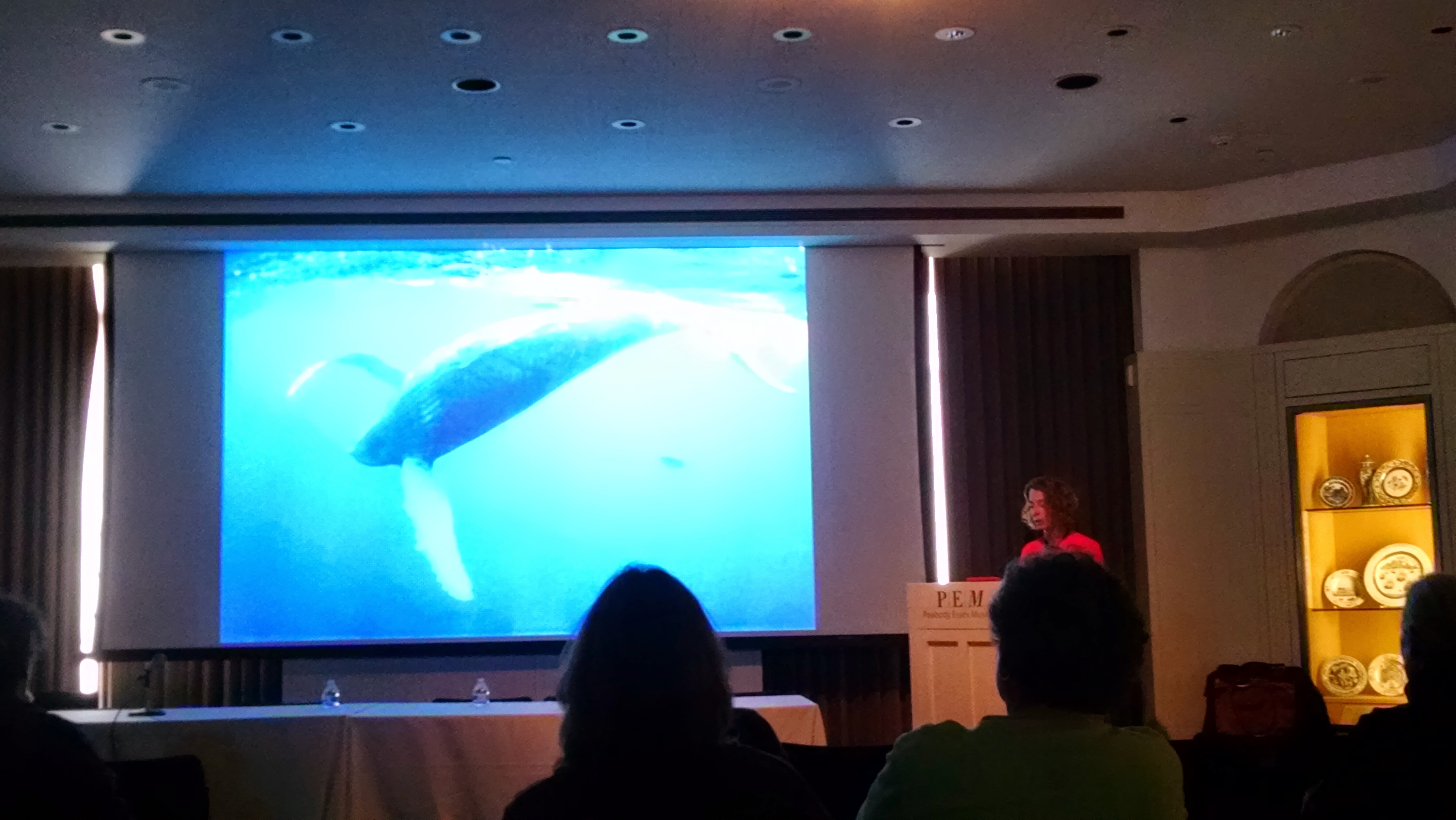
Scuba diving poet Marie Elizabeth Mali reads against a backdrop of her photography.

Other moments that caught my imagination included the reading of marine-inspired poetry to a running background of underwater photography, the highly entertaining “Digital Age Poetics” workshop from the lovely folks at Window Cat Press, and the absolutely fabulous “Writing Sound to Sound” workshop with Moira Linehan and Mary Pinard, which focused on exercises that build sound consciousness into your writing from the very start.  As someone who loves the music of language, syllable and rhythm, I found that session especially inspiring.  Overall, from humorous memes and ‘flarf’ searches to dictionary page and abecedarius poetry, I came away with a ton of new writing prompts and a few promising new poem kernels.

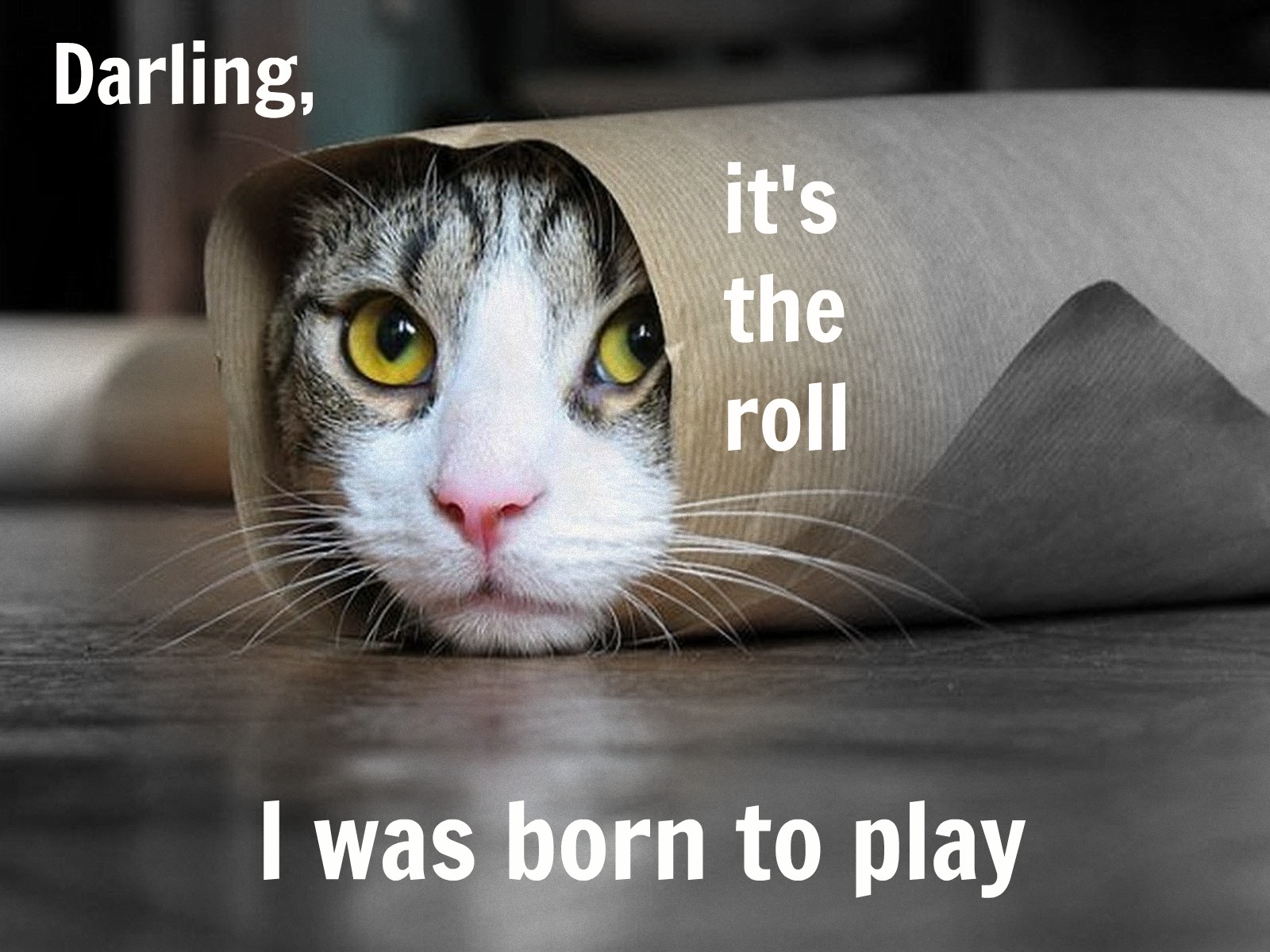
Dramatic Cat has found her role of a lifetime, courtesy of a penchant for puns.
Meme as digital poetics: Dramatic Cat has found her role of a lifetime, courtesy of a penchant for puns by yours truly.

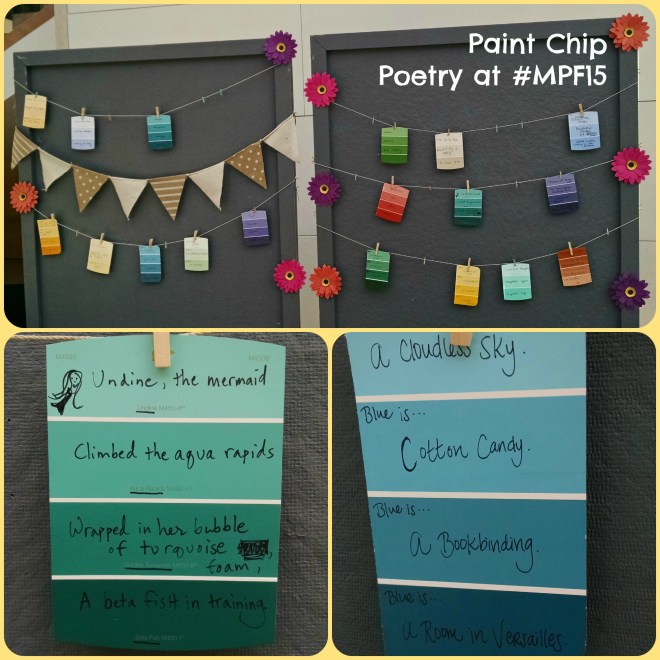
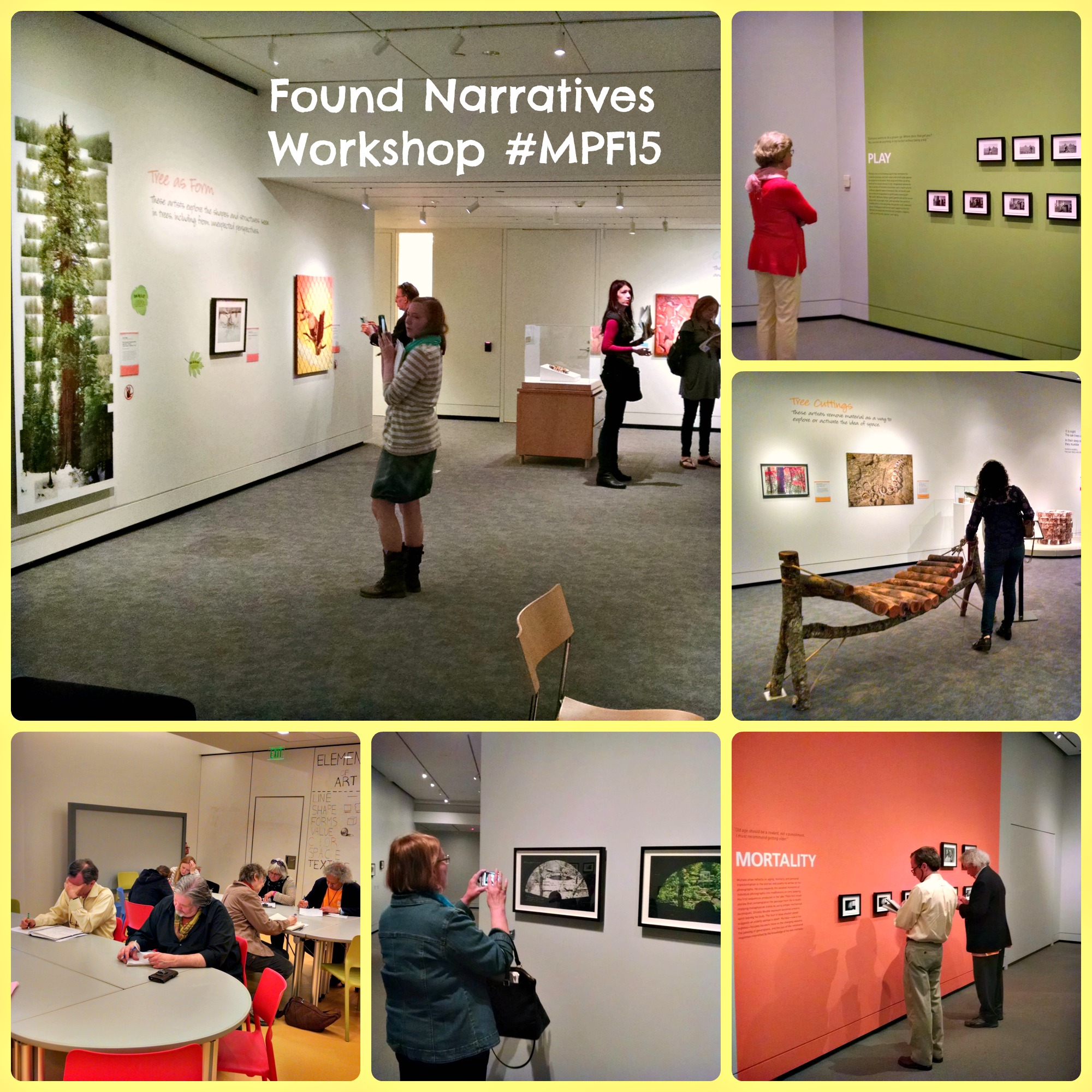
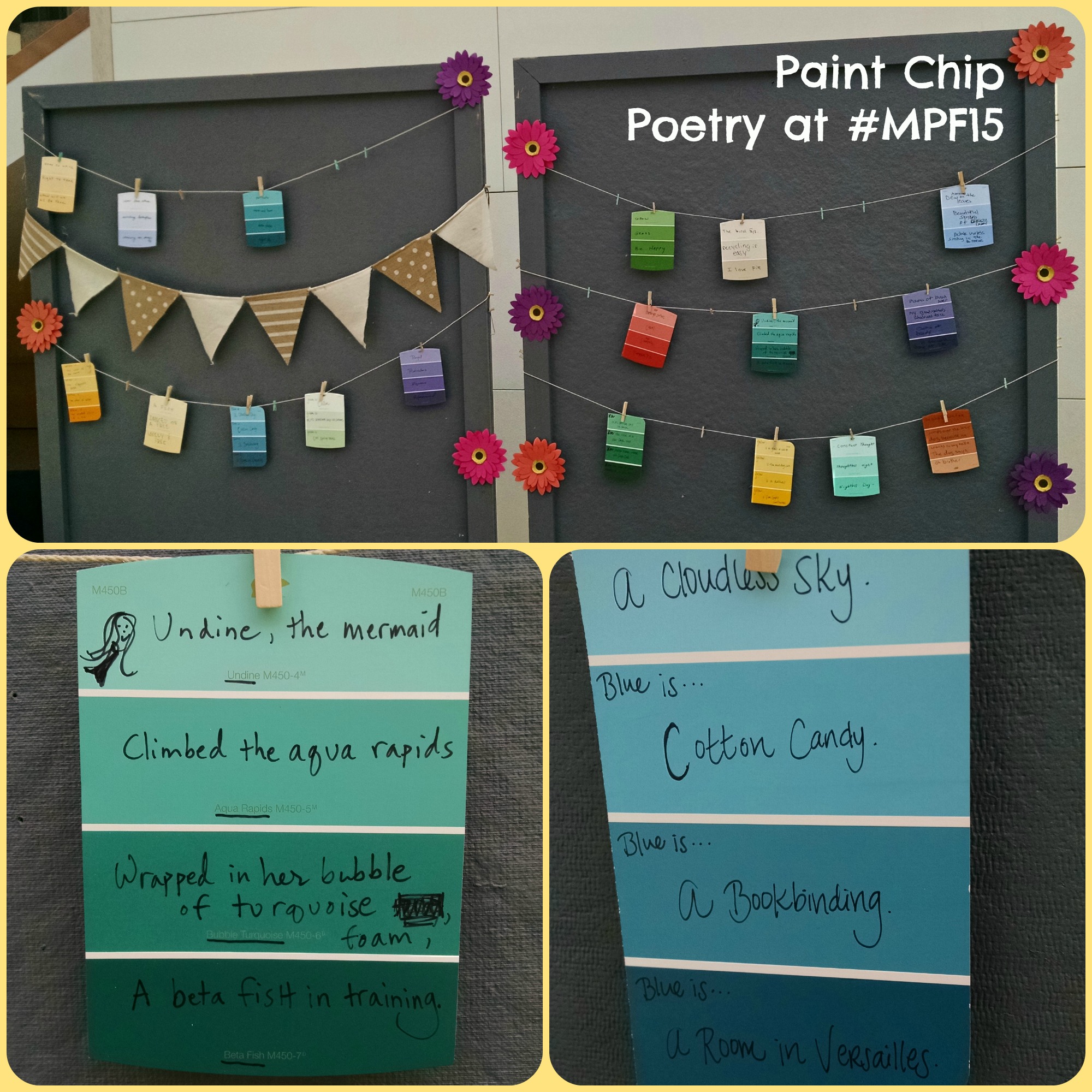
I learned about Edna St. Vincent Millay, read aloud and listened to a great collection of winter and spring poems from my fellow long-suffering New Englanders, and had many a meal with friends old and new.  Finally, I was pleased to see that PEM continued to play with words and art, featuring Mad Libs Muse prompts featuring ‘erasures’ from famous poems, paint chip poetry focused on color and brevity, and even a giant Scrabble game.

paintchippoetrympf15

Thanks and congratulations again to Michael, Jan, and Laurin for putting together another spectacular weekend!

Uncategorized

Narratives Found: A day of surprise and serious wordsmithing

I have lots of thoughts about the last few days of the Mass Poetry Festival, so expect those in a subsequent post, but first I’d like to say ‘thanks!’ to everyone who attended my workshop “Found Narratives” on Sunday morning at the Peabody Essex Museum. I promised I’d put my presentation up online, so the slides are below, with a summary of the ideas that kicked off our writing session.

http://www.slideshare.net/mwinikates/meg-w-mapofest15foundnarratives

What is the role of curators in creating an exhibition, and how is that like (or unlike) the role of a poet?

Curators have a number of roles:

  • Caretaker/Historian/Preservationist – all exhibitions are a continuation of, response to, or rejection of previous history (art history, historical narrative, etc.)  By choosing to include objects, artworks, etc. in a show, curators demonstrate that they think these particular things are worth saving, displaying, and sharing.
  • Author/Editor – curators pick which exhibition elements will best help them tell the story of the person/place/time period/movement/historical event that they want to tell.
  • Interpreter – A good curator (through a good exhibition) poses questions, invites discussion, offers new perspectives, and has an impact on the viewers that gives them a brain-tingling set of new ideas and questions of their own.

Arguably, a poet has much the same set of roles:

  • Historian – all poetry draws inspiration from, responds to, rejects, or reworks the written (and oral!) canon and literary tradition that preceded it. Play and challenge are vital acts of the poet-as-historian.
  • Author/Editor – words are a poet’s tools, and which words you pick and which words you juxtapose, emphasize, etc. are the keys to creating a poem with impact.
  • Interpreter – “If it blows the top of my head off, I know it’s Poetry.” Emily Dickinson was right on, IMHO. Just like visual art, a good poem makes the reader think, question, observe, react, feel, breathe a little differently than before they encountered the words.

The power of both of these roles is in the choices that we make.

Blank walls, blank paper, blank screen. You can put anything there in any order, so where do you start? It all depends on the impact you want to have. Are you aiming for accessible or inscrutable? Mysterious? Open? Comforting or confronting? Your goal determines your choices as much as your natural voice does.

In the case of an exhibition, there are numerous voices involved, of course. Aside from the curator, there are exhibition designers, an interpretive editor, often an educator, all offering suggestions which will help highlight and shape the story the curator wants to tell.  The team’s choices form the bridges for the connections visitors will make when standing in the space.

Will there be long sight lines or lots of small spaces? Which pieces are in conversation with each other, whether in support or in opposition?  Do you hang them together or separately? What color are the walls?  How much extra information do you put on the labels/wall text? What style font do you use?

For poets, this correlates to choices about line length, word juxtaposition, rhyme and meter, form.  Where do you want your viewer’s/reader’s eyes to go next?

The Idea for the Workshop

All this discussion grew out of a collaborative project between myself and photographer Michele Morris, Palettes of Light, in which we paired images from two of her series and then I wrote a poem connecting the two. It seemed a natural progression to me that this would work with any pair of artworks, provided that the poet started with two pieces that resonated with them for one or more reasons.  Ekphrastic poetry has a long and proud history (Musee des Beaux Arts, anyone?), and this is a way to celebrate not only the creative efforts of the visual artist, but also the imaginative connective power of the viewer. (A workshop participant later described this exercise as ‘Next Level Ekphrasis’ and said she was going to teach it to her students, which made me very happy indeed.)

The Task: Find your Narrative

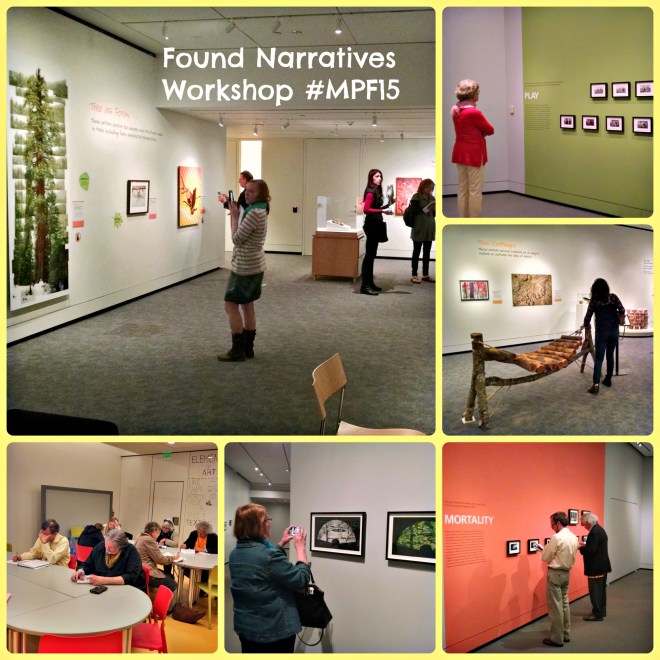
In preparation for spending time in two exhibitions, I asked the workshop participants to do the following:

  • Find 1-2 works in each of the exhibits that really sang to them, for any reason at all.
  • Brainstorm a list of words and phrases provoked by each work.
  • Take photos of the works to use for future reference.  (There was a hard limit of 10 minutes per gallery to make sure we had time to get back to the studio to write, and poetry and art appreciation both benefit from more time.)
  • Once back in the studio, find a connecting thread between the 2 works.
  • Write ‘the bridge,’ aka, draw out the connection and give it support using the inspiration from the two artworks.
  • If they hated everything from one exhibit, they could pick 2 from the same exhibit. (No one who chose to share their work at the end chose this option.)

How do we get there? The Source Material

Using Visual Thinking Strategies, we spent a few minutes in each gallery as a group looking at one art work.  I asked only three questions (“What do you see?” “Why do you say that?” and “What else?”), and let people build upon their own and others’ observations to discuss the work in front of them, then let them go to explore each gallery.

Stop 1: Duane Michals, Storyteller

I picked this show because Michals often treats his photographs as a storyboard: there’s a lot of narrative, sometimes with his own reflections, stories, memories, and poems written directly on the surface of the print. He has a playfulness to a lot of his work that I find appealing, and many of his themes tie easily into poetry (time, mortality, desire, wonder, discomfort, humor).

Stop 2: Branching Out, Trees as Art

This show focuses on the way artists use trees as both artistic material and as inspiration.  There are many more abstract works in this exhibition, and lots of themes about the ways humans relate to their environment.

On their own time, I encouraged participants to explore the rest of the museum as well and try this exercise again.
foundnarrativesmpf15

Possible Connections

There are a lot of ways to find a bridge that connects two seemingly disparate artworks.  The following list I had up on display for participants to consider as they began their writing:

  • Theme
  • Emotional reaction
  • Visual similarities
    • tone
    • texture
    • composition
    • color
    • movement
  • Resonances or dissonances
    • personal memories
    • references to artistic/literary tradition
    • using one artwork as a metaphor or frame for the other
    • timelines (cause and effect, before and after, etc.)

Participants then had about 15 minutes to work on their poems, and time at the end of the session to share their favorite lines (or the whole poem if it was short).  About half the workshop chose to share, and I was really impressed with the vivid language, the fantastic imagery, and the unusual connections they made.  I was also pleased, amused, and a little surprised that a few people chose an interactive element (an amadinda, similar to a log xylophone) instead of an artwork for their second piece.  I had, after all, asked them to find a piece that ‘sang’ to them–a few took me quite literally!

Do you find visual art a stimulus to your writing? Would you try this exercise or share it with your students/writing group? Have you tried it and do you have a result to share?  Add your thoughts to the discussion in the comments below!