Uncategorized

Summer of Mermaids, Pirates, and Magical Books

This summer, my son was old enough to participate in the town library’s summer reading program, and as I like to lead by example, that meant I got to read a lot this summer too, and we both logged our books in Beanstack, a purpose-built reading app for schools and libraries. Part of me definitely missed the old paper summer reading logs of my youth, but my son got excited every time he reached a new badge or completed an activity for another virtual sticker, and I admit being able to scroll through and see cover art for all those books we read together is pretty enthralling. He’s already looking forward to the October “Boooooooooks!” bingo challenge, so that’s a good sign too.

Looking at the list of what I read, there was definitely an unintentional (but not the slightest bit surprising) marine/nautical theme to the novels I picked up for the summer, with a secondary theme definitely being fantastical academia. Here are a few that really stood out for me:
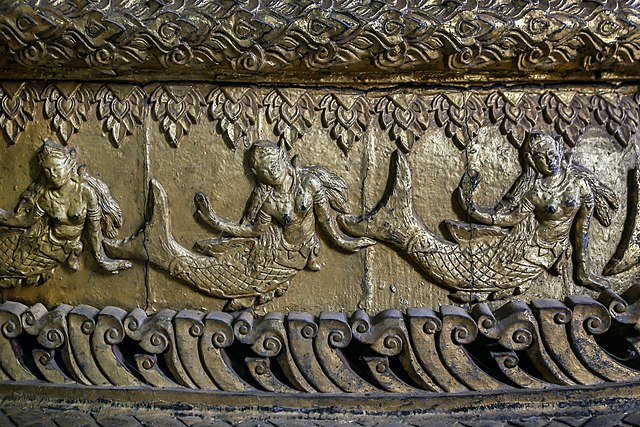
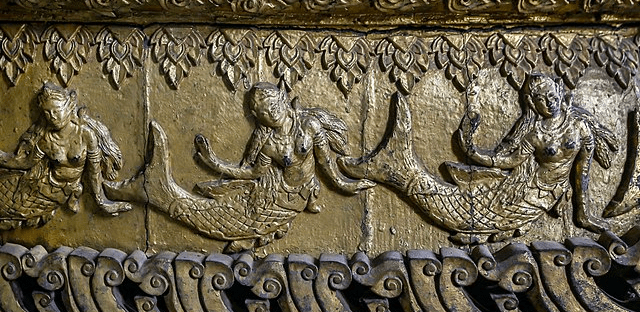
https://commons.wikimedia.org/wiki/File:Mermaids_on_a_cataflaque.jpg
Carved decorative motif of mermaids from the Southeast Asian version of the Ramayana. Wat Xieng Thong, Luang Prabang, Laos. Photo by David Clay, used with permission through Creative Commons

Mermaids and Pirates

The Mermaid, the Witch, and the Sea by Maggie Tokuda Hall – Piracy, coming of age, star crossed love, self-reflection, non-binary characters, criticism of imperialism and colonial economic policies, this was a chock-full read that barely took a breath from start to finish and I thoroughly enjoyed it.

Tress of the Emerald Sea by Brandon Sanderson – Weird but satisfying. High seas adventure, working girl goes off to rescue her lordling in distress, piracy and questing and curses and wordplay. This book is impossible to explain, largely because it’s told by an unreliable and probably slightly unhinged narrator, but I’m very curious to find out what else Sanderson has planned with his other “secret Covid books” he wrote in this same universe.

The Adventures of Amina Al-Sirafi by Shannon Chakraborty – Probably my favorite thing I read this summer, this was densely delightful world building, really fun historical fantasy, non-Eurocentric, dryly hilarious, and featuring a 40-something retired-pirate mom who gets to go adventuring again to save her family and reunite with her old crew. I was so sorry when I turned the last page. I recommend this one highly.

American Mermaid by Julia Langbein – This promised to be a critical look at writing, Hollywood, and the cost of fame with a healthy dash of magical realism thrown in, which sounded really fun. Sadly, it was a little more cynical than I was really up for, and had far less magical realism than I would have liked, but there are definitely some scenes that linger in my memory, so it was an interesting read.

Fantastical Schools and Libraries

The Golden Enclaves, by Naomi Novik – The final volume in the Scholomance series, which deserves a deep-dive post of its own, probably after I have a chance to re-read them all (though not right before I go to bed, yikes. So many nightmares.). Fascinating reflection on what it takes to really change unjust systems, from both outside and within, and I loved so many of Novik’s character choices. One of my favorite writers for so many reasons.

Ink Blood Sister Scribe, by Emma Torzs – This one was on everyone’s recommendation lists this summer, and I can see why. Fascinating magic system, well developed characters, satisfying plot, just enough humor to offset how very dark things can and do get at points. I turned around and recommended it myself to various folks as soon as I finished it.

Akata Witch by Nnedi Okorafor – This has been on my backlist to read for years, and I was happy to grab it finally. I loved the Binti trilogy by Okorafor and this has a lot of the same: beautiful language, very fierce and charming protagonists, marvelous and immersive worldbuilding with science and magic. I definitely want to pick up the next in the series when I get a chance.

A Novel Disguise by Samantha Larsen – Historical fiction that I did not pick up with any real expectation of historical accuracy, as it was mostly a cozy mystery featuring a single woman who goes undercover as her dead half-brother to save her cottage and find out who poisoned him. Definitely a ‘potato chip’ sort of book, but amusing, and set earlier than the Regency period one could have easily assumed it would be, so the details of wigs, powder, and beauty patches to cover pox marks were all fun additions to the disguise.

Mooncakes by Suzanne Walker – A cute YA graphic novel about a late teen witch who works in a bookstore with her amazing witchy grandmothers, and her werewolf girlfriend who comes back to town to deal with something creepy in the woods. Great intergenerational team up, sweet illustration style, funny and creepy in a good balance, probably should have saved it to read in October for some Halloween fluff.
Uncategorized

A very bookish New Year

As January gets into swing and we’re all readjusted to the demands of the school and work week, I thought it would be nice to take a moment to reflect on some of what was awesome about the holidays, and the good feelings, things, and ideas that I’m carrying into the new year. (I invite you to do the same in the comments below!)

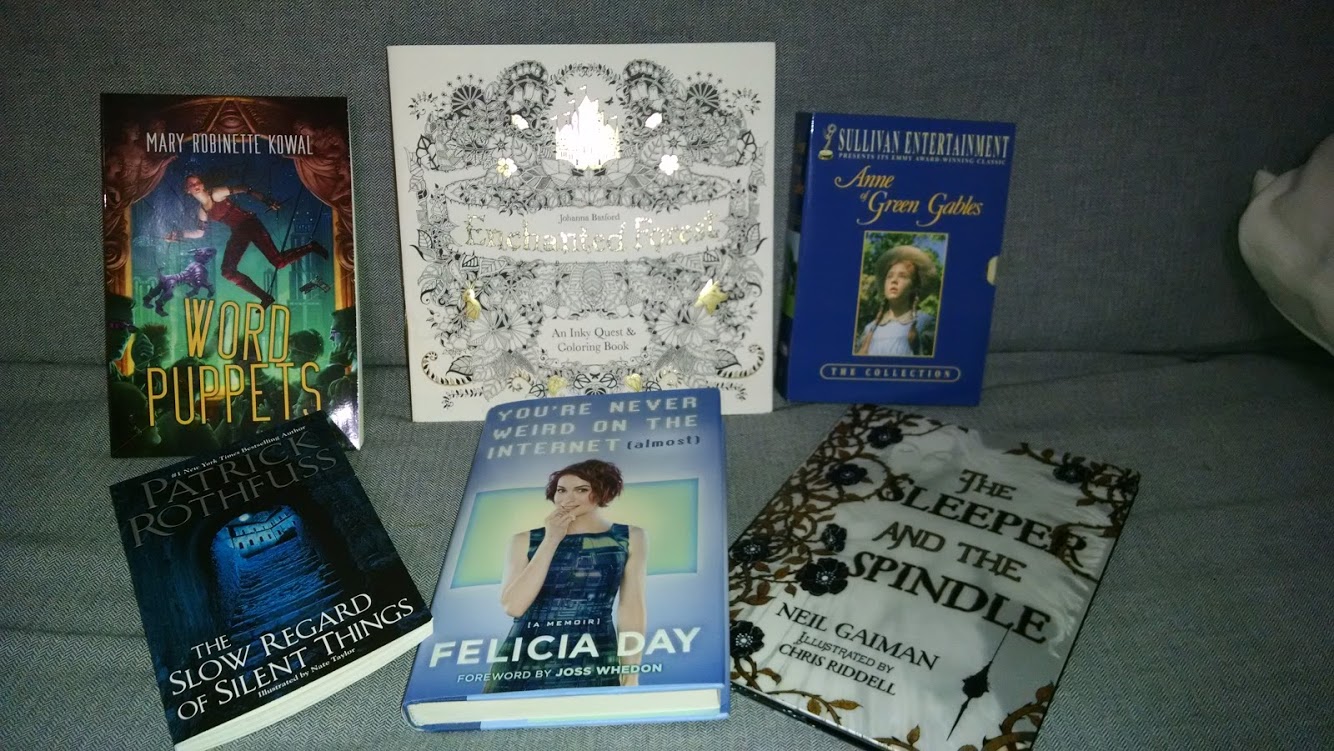
I had a very literary Christmas, which was awesome. Being the daughter of a librarian, I can always count on getting books for gift-giving occasions, and this year was no exception.

bookmas

As you can see, this was a glorious occasion for bookish and literary-adjacent gifts (and writing tools not pictured like a planbook and beautiful hand-bound blank book to tote about with me in my rambles). I have to admit, I already finished Felicia Day’s memoir, and it was excellent; funny, brave, insightful, and inspiring. I’m pacing myself on picking up the others so I don’t run through them too fast.

In the spirit of starting the new year right, I decided this year I’d actually attempt Goodreads’ book challenge, where you can set your own goal for how many books you want to read in 2016. Inspired by Stellar Four’s 52 books/year challenge, I went for 52; we’ll see how it goes. Feel free to friend me on Goodreads to keep me honest. (I’ll also be setting some creative goals for 2016, but I’m giving myself the rest of this month to get organized on them first!)

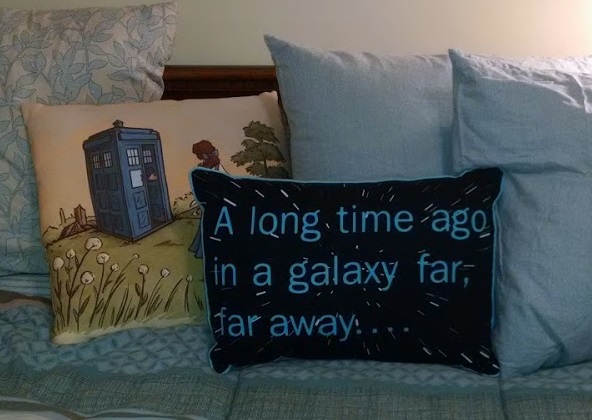
It must be noted that in addition to the genre-filled Bookmas, I had a very Merry Geekmas as well. I would post pictures of my Star Wars, Agent Carter and other geeky spoils, but I don’t want to make you all too jealous. Suffice it to say that I can now wear, carry, and otherwise use my fannishness in many happy-making ways.

galaxy pillow

Speaking of geekery, I’ll be heading to Arisia down at the Boston waterfront this weekend, so I’ll post a list of what I’m hoping to attend a little later in the week. If you have suggestions, as always, please fill me in.

What creative treasures, projects, or inspirations are you excited about in 2016? Tell me all about them!


Uncategorized

Recent Reads (and a moment of cute)

As much reading and writing as I do in front of a screen these days, it’s still nice to curl up in a sunny corner that has *just enough* shade and enjoy the feel of a book in hand.  (I get so much reading done in the spring!)  Here are a few of the books I’ve read and enjoyed in the last week or two:

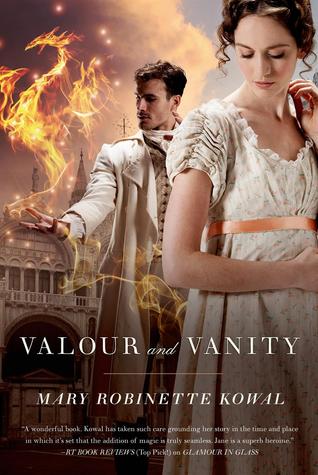
valour and vanity

Valour and Vanity by Mary Robinette Kowal – I’ve loved this series from the beginning (Shades of Milk and Honey), and this latest installment was just as entertaining, full of the joy of someone who really loves both the period and the universe she’s created within it.  Unlike some authors who lose interest in their characters once they’re married, Kowal gives us a plot with well developed characters undergoing understandable relationship growing pains even well into a married partnership.  Jane and Vincent have always reminded me of the best of Elizabeth Peters’ Amelia Peabody and ‘the irascible Emerson,’ so it was fun to return to their dynamic.  Plus, heists! Cons! A Doctor Who cameo!  As a bit of light reading after a steady diet of poetry for the last several weeks, it was perfect.   I highly recommend it if you’re fond of historical fantasy, Regency England, bonus Venice and glassblowing, and/or magic.  Plus, Kowal is the mind behind the awesome Month of Letters I’ve mentioned before, and she wrote me a really awesome response to the letter I sent her main character, Jane, Lady Vincent.

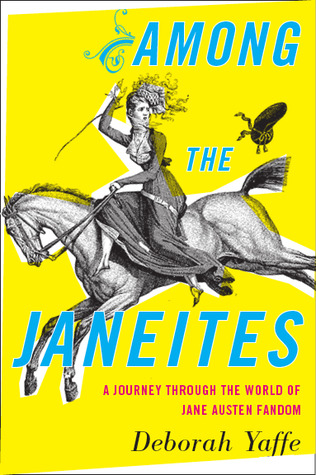
among the janeites

Among the Janeites by Deborah Yaffe – I do a fair amount of research at work, so when I’m off duty I tend not to read a ton of nonfiction, but a friend lent me this book and I was excessively diverted.  While not purporting to explore the entirety of Austen’s popularity, her fans, or global fandom, this book did a pretty admirable job of exploring the many ways people relate to Austen and her work, the possible reasons they are drawn to her, and the history of the founding, growth, and eventual membership explosion of the Jane Austen Society North American branch.  Fandom history is always entertaining to me, and while I did not recognize a ‘me’ style fan in Yaffe’s accounts, I certainly have encountered some similar personalities among other Austen fans or fans in general.  (I did, after all, declare in high school that ‘Everything in life relates to Jane Austen.  Or Star Wars.  And possibly both.’)  If you have any affection for Austen’s work or any curiosity about the phenomenon that is her pop culture presence, this is a quick and enjoyable read.

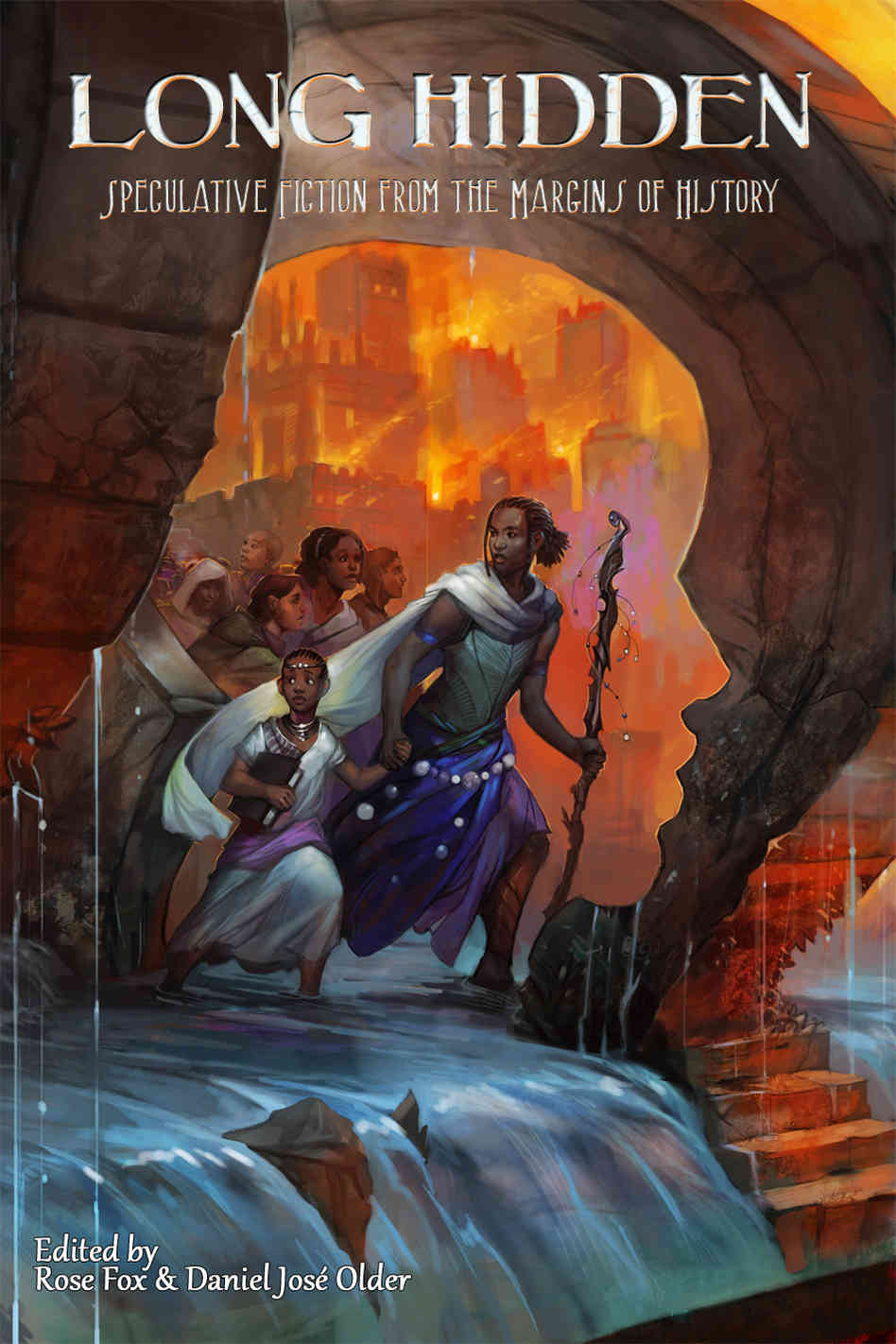
long hidden

 Long Hidden short story anthology from Crossed Genres – I’m actually only partway through this anthology so far, but I’m having a fascinating time while reading.  The voices are as diverse as the editors proclaimed, the vocabulary rich, and the assorted magic systems and other fantastical elements so far have a lot of emphasis placed on dreaming.  I can’t tell yet whether that last element’s due to editorial bias, something that non-Western stories have in common, the product of small sample size, or simply what happens when the author/main character exists in a tradition where their voices and actions are belittled in a prejudiced or oppressive society.  It’s certainly giving me a lot to think about!  My one quibble with the anthology so far is physical–the margins on each page are nearly nonexistent, meaning one opens the book to a wall of text with little white space for either ocular rest or helpful marginalia.  I don’t write in my books much, but I can see where one might be prompted to with a collection like this, and would be forced to resort to post-its instead.

Did you get through all that?  Then I present to you, a moment of cute:

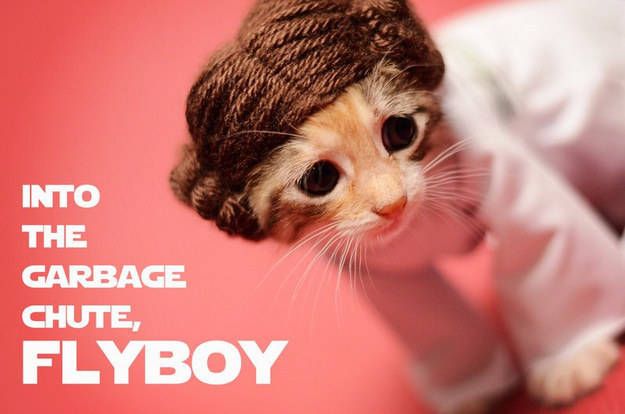
kitten leiaKittens dressed as fantasy characters.  You’re welcome.

What have you been reading recently?  I’m always looking for the next page turner…


Uncategorized

Roma Eterna: Alternate Histories, and Missing Ones

There are benefits to being stuck on the couch with a virus: my favorite is the permission to take a few consecutive hours to read, without feeling guilty about not doing something else (there’s always something else).  So today I finished Roma Eterna by Robert Silverberg.  It’s been sitting on my to-read shelf for a while, because who can turn down a book that wonders what would have happened if the Roman Empire never fell?

Not me, that’s for sure.  I love a good alternate history.  (Alternate historical fantasy too, but that’s a whole ‘nother blog post.)

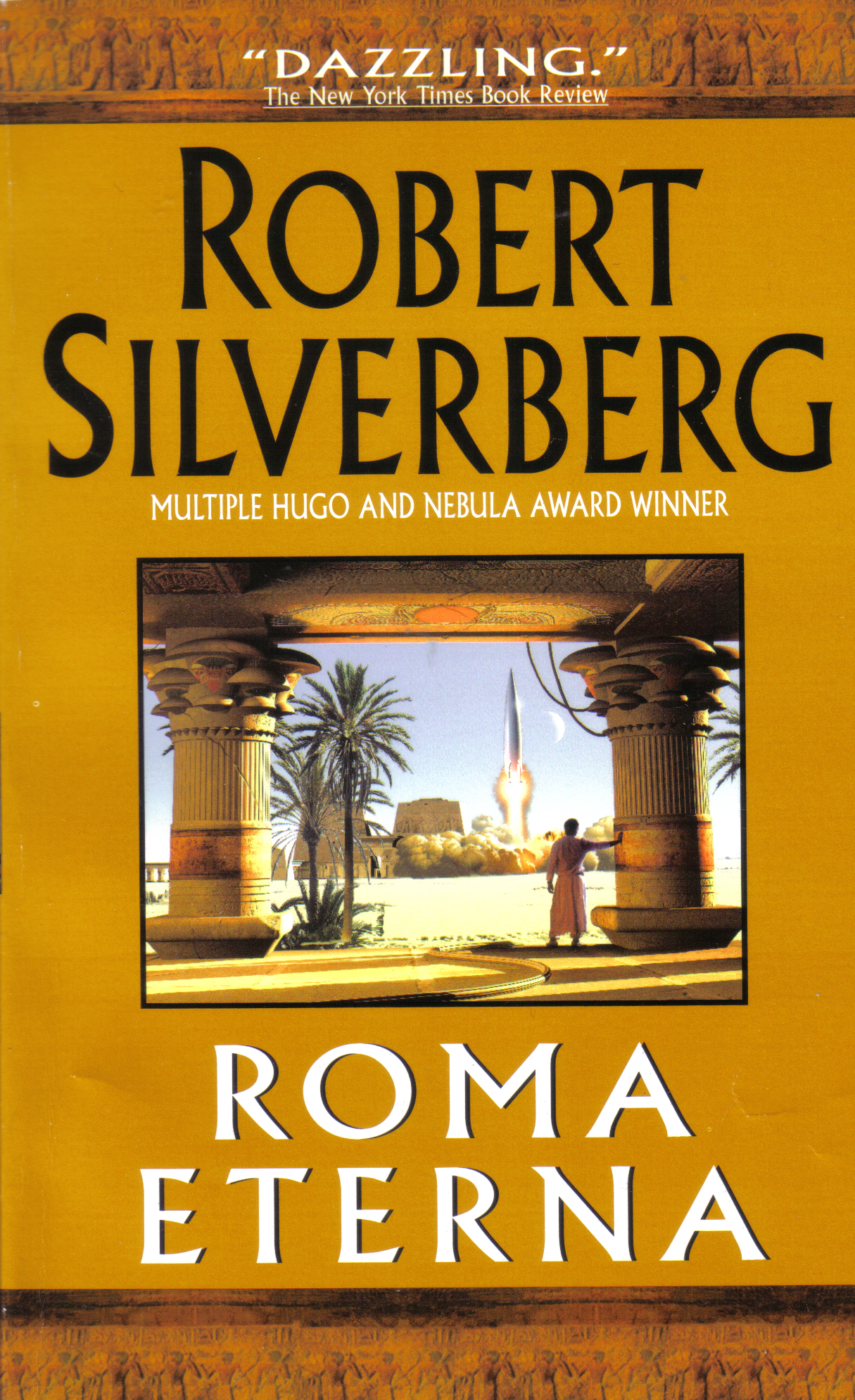
roma_eterna_coverI haven’t read any other Silverberg to my knowledge, but I recognized the name and I’m always looking to get to like an author that’s new to me.  So that plus five years of studying Latin and a fondness for speculative fiction meant I was geared up for a really good read.

And I mostly got it.  Once I got in the habit of subtracting 750 years or so from all the chapter heading dates so that I could compare the alternate timeline to this reality’s history, there were some really fun comparisons and contrasts to be drawn.  Would certain events still happen, and if so, when?  Discovery/attempted conquering of the New World, exploration of the islands in the Pacific, trade agreements with Asia, those are all practically givens given what we know of the Roman Empire’s sense of manifest destiny.  But what about movements towards alternate forms of government, huge sociopolitical upheavals on the models of the French or Russian revolutions?  What about attempts towards independence?  Development of certain major world religions?  Minds like Leonardo daVinci or Einstein?  And is there a way to measure which of these historical paths is ‘better?’  And better for whom?

Do you sense a trend in these questions at all?  Because I did, and much as I enjoyed Silverberg’s well-researched and imaginative answers to them, there were entire swathes of stories I felt were *completely missing.*

Let me give you a hint: in eleven chapters, told by eleven different narrators at different eras in this expanded ‘eternal Rome,’ there was one female narrator, living in Venice, mostly interested in contemplating how willing she was to be seduced by the newest Roman proconsul, or was she more interested in being the one doing the seducing.  Aside from offering a ‘provincial’ point of view, she influenced the narrative not at all, barely witnessing the events of the era, let alone being part of them.  There were maybe two or three other female characters of any note in the whole book, seen primarily through the lens of their desirability to the narrators.

In a book spanning approximately 2,000 years of history.

Should I have been surprised?  Probably not.  Original copyright on my edition said 1989, male author, clearly more interested in telling a story about how the delayed development of Judaism was a key factor in the stagnation of the world.  (Now, that ending I was surprised by, but I can go with it, at least to a point.) Invisible privilege is a thing, and I guess I’d rather believe the author was oblivious than that he was deliberately exclusionary.

Should I be as disappointed as I was?  Am I oversensitive because of who I am and what I read?  Wasn’t the Roman Empire pretty male-dominated anyway?

1) Yes.  2) It’s an unfortunately short step from ‘oversensitive’ to ‘hysterical’ and that leads us to all sorts of Victorian places I don’t want to go. and 3) Not really, which is partly why I was surprised and partly why I was disappointed.

Look up at the cover of this book.  There’s a rocketship.  I picked this book up at a sci-fi/fantasy convention last year.  This is a genre that has given me and readers and watchers like me princesses that don’t want to be rescued from dragons, and spaceship captains that fall in love with the female souls of their ships, and female spaceship captains that bring their crews home across unfathomable distances through hostile territories, and senatorial princesses that rescue frozen smugglers with a kiss while in the middle of leading a rebellion, and dozens of other  situations in which the contributions of half the society are recognized by the other half.   Take the person who has steeped in these stories and mash her together with someone who has also read I, Claudius, and you get someone who expects that the fearsome, ambitious, clever, savvy, and otherwise remarkable women of ancient Rome will at least have a mention for the role they played (and could have continued to play) in things like determining succession in the Empire, and influencing elected politicians, and discussing strategy with military commanders.

They existed historically.  They’re nowhere in this book, even in the parts that line up perfectly with our own history.  (You know who else doesn’t get a voice? Slaves.  Any of the cultures the Romans trade with.  Any of the plebians or non-Roman citizens.  Positive queer characters, even in a universe where the Greco-Romans run the Eastern Empire for a while.)

And yes, I am *sensitive* to the issues of representations of women in books and other media.  I’m influenced by what I choose to read and who I choose to follow in the vastness of the internet (Hi, Book Smugglers and Stellar Four and Seanan McGuire and others).  I recognize that not every book can tell *everyone’s story,* because that would be either too many stories, or none at all.  But if you’re trying to give us a picture of an alternate world, how hard is it to give us a little more about half the population?  This book has 449 pages, and it couldn’t even pass the Bechdel test.  But there’s nothing wrong with being sensitive, because being sensitive is being aware, and being aware and critical of what you read makes you a better reader, and a better reader is a better writer, and someday I will be writing my alternate history epic and I will remember this book.

And I will try to do better.

Uncategorized

Why meeting your literary heroes matters

All of us, at one point or another, have answered that question about having dinner with any three people from any point in history.  My answer is always Abigail Adams, Jane Austen, and some rotating third figure depending on my mood.  Sally Ride, maybe, or Eleanor Roosevelt, or Princess Leia (what, you didn’t mean *Earth-bound* historical figures, did you?  Well in that case, Michelle Obama).

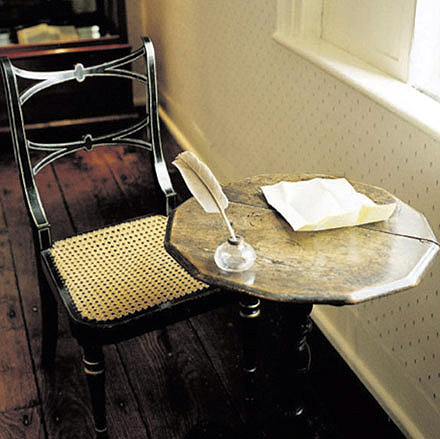
Of course, when you can't meet them, you can go stand by the window where they sat and absorb the genius vibes, instead.  Jane Austen's writing table, Chawton.
Of course, when you can’t meet them, you can go stand by the window where they sat and absorb the genius vibes, instead. Jane Austen’s writing table, Chawton.

The point is, most of us answer that question with the names of people we have no chance in this reality of ever meeting, death and the Secret Service generally being no-nonsense sorts of barriers.  It doesn’t change the fact that meeting people you admire can be an amazing kick-start to your own sense of self.

A number of years ago now, I went to a panel on ‘why write fantasy?’ hosted by the Cambridge Public Library, featuring a discussion between two of my literary heroes, Susan Cooper and Gregory Maguire.  I spent the entire two hours or so pretty much vibrating out of my seat with joy, most especially when Susan Cooper said she writes fantasy because ‘that’s just the way [her] brain works.’  She wants to write a Shakespearean historical fiction, or about Nelson and the Napoleonic wars, they turn into time travel stories.  It was among the top five most validating things I’ve ever heard in my life, and she wasn’t even talking to me.

(Mind you, when I did get a chance to talk to her, I babbled something probably incoherent about how much I love her writing and how I reread The Dark is Rising every time I need a reminder about how pacing works.  I was so not smooth.)

And then this past Sunday I had the opportunity to hear Naomi Novik read during Geek Central (Cambridge, again! Why do I not live there?).  I’ve loved her Temeraire series since the beginning, with much wailing and gnashing of teeth at the same time (dragons and Napoleon, why didn’t I think of that!?).  I’ve been to one other reading of hers, which was much more crowded, and though I felt bad she had a smaller audience this time (most of us who were there were blaming the RI Comic Con) I appreciated the fact that it meant we got to have actual conversation with her.  She read us the opening to a new fairy-tale inspired piece, and talked about finishing up the Temeraire series, what’s next after that, and who inspires her and why.  She even asked for input on potential titles for her new work, which made me grin.  (Titling is hard!)

And when it was my turn to get my book signed, I managed not to sound like an idiot (progress!).  We talked about her dragons-in-ancient-Rome short story, and discussed how cool her Anglewing dragons were, and even though I said absolutely nothing to her about being a writer myself, I came away inspired and heartened.  Because she’s not so different from me, and she reads authors I read and writes things in the genres I write, and my first drafts don’t sound so much rougher than the piece she read us all.  And since our brief conversation on Sunday I’ve managed to write over 6K words of my own current project.

So it matters, meeting the writers you admire, because while it’s easy enough to throw up your hands and say “I don’t know how they do it!” the next step is to bring those hands right back down to the keyboard.

Uncategorized

And She’s at it again, Camp Nanowrimo Edition

The badge of the truly wordcount madYes, I signed up for another month of obsessive wordcounting, this time in pursuit of finishing a piece I was already working on and had laid aside for the last Nanowrimo challenge.  Schola Ariolos is still in progress, in fact I got to work on some back-story for the mysterious mentor Brian Wong last night in my writers’ group, but that particular story is playing understudy and waiting in the wings for right now so that I can (fingers crossed) finish Dragon’s Midwife instead.  Then, muses willing, May will be editing month and June will be submission city.  (And somewhere in there I will be attending pre-wedding festivities for family members and close friends, running family friendly Poetry Festival activities, and doing a bunch of that other museum education-y stuff I blog about.)

And when I need a brain break from my rapid word-spillage this month, I will be delving into The Turncoat, by the charming Donna Thorland, with whom I had a very entertaining lunch today.  Check out her seriously impressive book trailer below–someone’s film production roots are showing!