Uncategorized

Sunshiny Summer News: Poems in Print!

Happy summer, all! In the wake of last week’s downright delightful Supreme Court decisions on health care and marriage equality, I have less-momentous but much more immediately personal good news; I have four poems that are being published this summer on Window Cat Press.

Window Cat is an online literary journal run by a fabulous trio of poet/artist/editors, who are dedicated to bringing the work of young & emerging poets, writers, and artists to the wider world. Their mission is to “seek to celebrate, inspire, innovate, and play.” About the poems that will appear there, they said:

“We were charmed by the interplay of light and color in Michele’s photographs and thrilled by the rhythmic beauty of your words.”

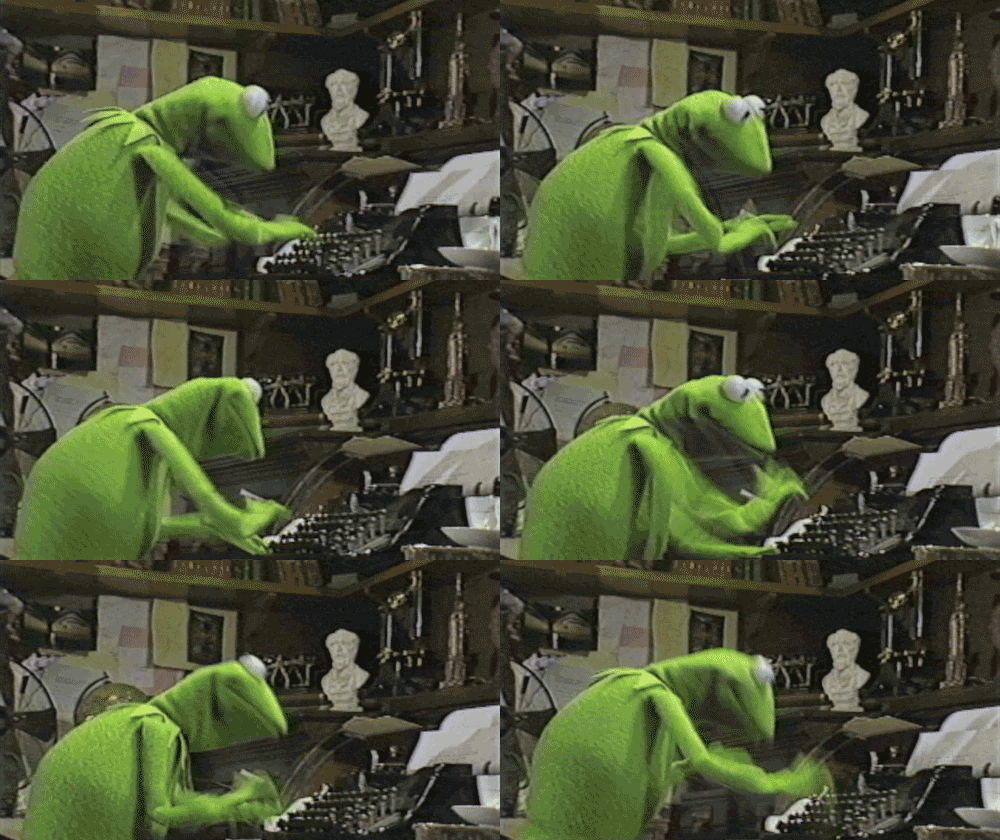
You can imagine my key-smashing delight!

kermittypes

Publication date will be sometime mid-summer; as soon as the issue is live I will be posting the link here, as well as on Palettes of Light, as several of the poems to be published are part of that collection, with integral accompanying photography by the lovely and talented Michele Morris, as mentioned above.

In other happy news, I will also be reading this fall at Mass Poetry’s U35 reading series at the Marliave in Boston, on September 22nd. Hope to see you there!

Uncategorized

Are you reading this on your handheld supercomputer?

Happy Monday, all, this is going to be a science-fiction week on Sea Dreams & Time Machines! We’re starting with a really fun video about sci-fi predictions that are now today’s everyday facts from the awesome folks over at “It’s Okay to Be Smart.”

Enjoy!

Plus, Top 10 Star Trek Technologies that Actually Came True (transparent aluminum!)

Uncategorized

Sounds, scuba, and spine-tingles: MA Poetry Fest 2015 wrap-up

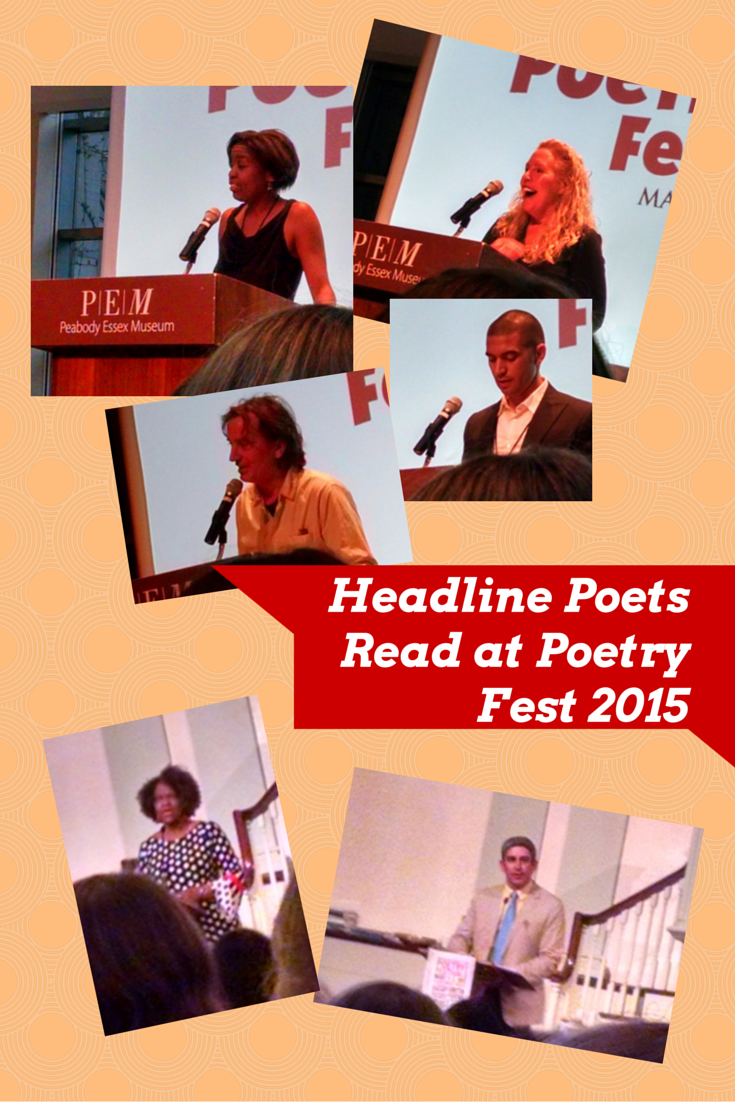
Headline Poets Read at MA Poetry Fest I have a fabulous time at the Mass Poetry Festival every year.  Every year I learn something new about writing, I am bowled over by a poet (or multiple poets) whose work I hadn’t before had a chance to appreciate, I get to spend time surrounded by people who love words as much as I do, and I come away exhilarausted, which is that peculiar state of wiped out and buzzed that comes from too much inspiration in too short a time period.

As always, the headline poets were fantastic. I didn’t make it to all the headline sessions, but both the Friday and Saturday night readings were interesting, featuring Nick Flynn, Adrian Matejka, Denise Duhamel, Rita Dove, and Richard Blanco. I was especially enamored of Rita Dove’s reading, and most particularly loved her poem “Maple Valley Branch Library, 1967,” linked below:

Full text of the poem can also be found here.

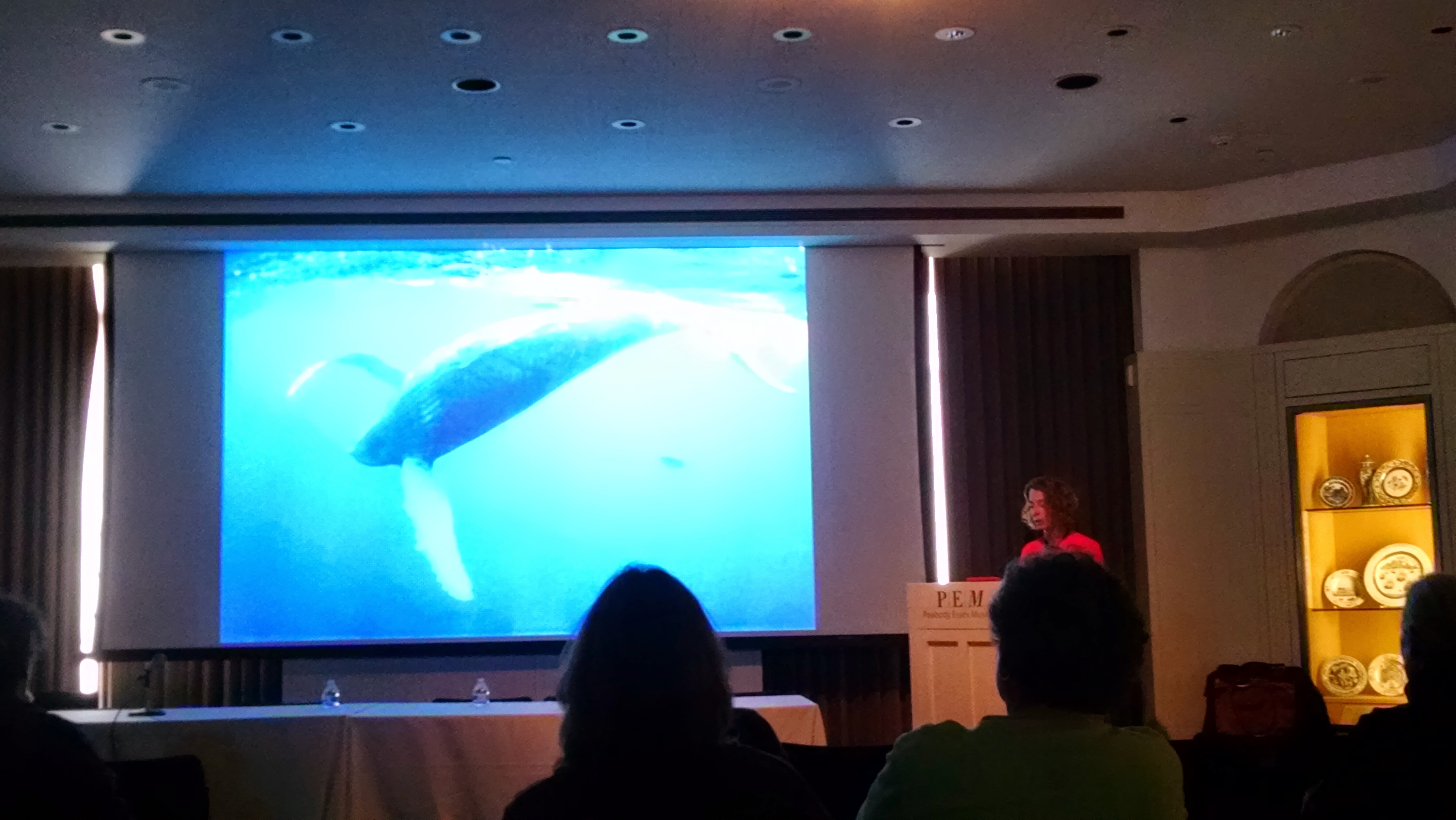
Scuba diving poet Marie Elizabeth Mali reads against a backdrop of her photography.

Other moments that caught my imagination included the reading of marine-inspired poetry to a running background of underwater photography, the highly entertaining “Digital Age Poetics” workshop from the lovely folks at Window Cat Press, and the absolutely fabulous “Writing Sound to Sound” workshop with Moira Linehan and Mary Pinard, which focused on exercises that build sound consciousness into your writing from the very start.  As someone who loves the music of language, syllable and rhythm, I found that session especially inspiring.  Overall, from humorous memes and ‘flarf’ searches to dictionary page and abecedarius poetry, I came away with a ton of new writing prompts and a few promising new poem kernels.

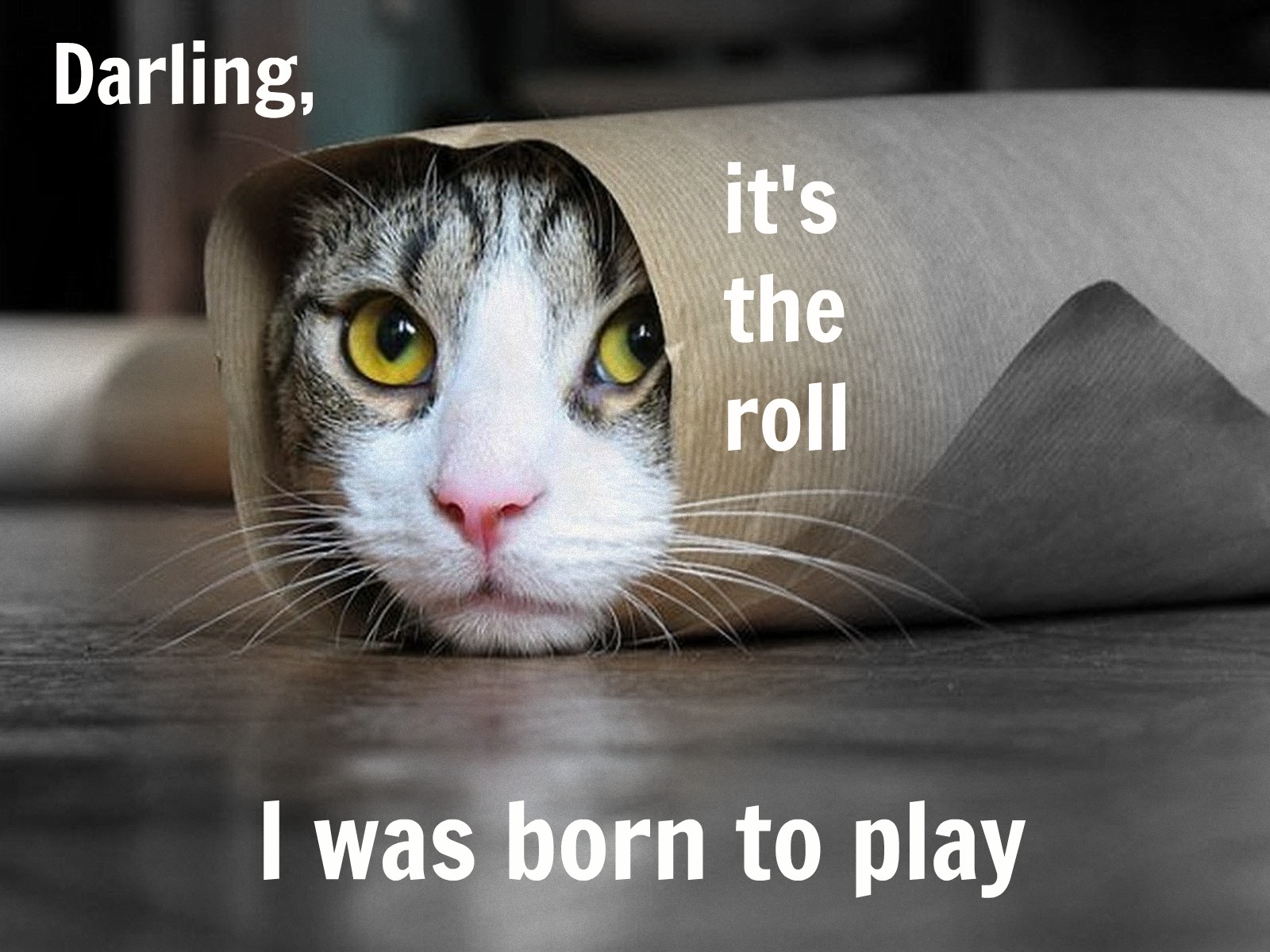
Dramatic Cat has found her role of a lifetime, courtesy of a penchant for puns.
Meme as digital poetics: Dramatic Cat has found her role of a lifetime, courtesy of a penchant for puns by yours truly.

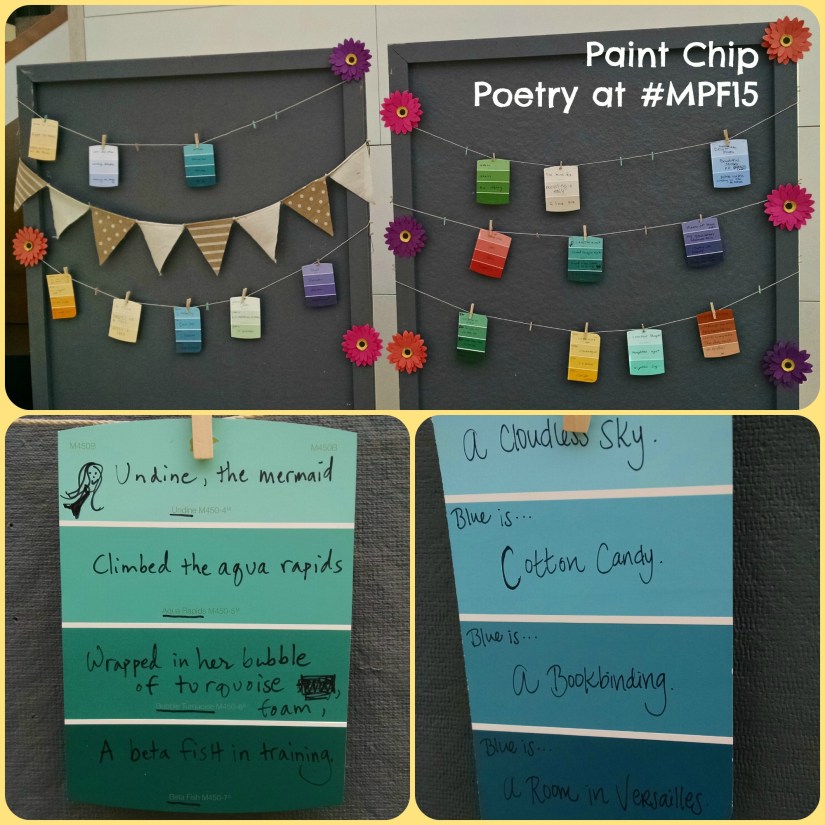
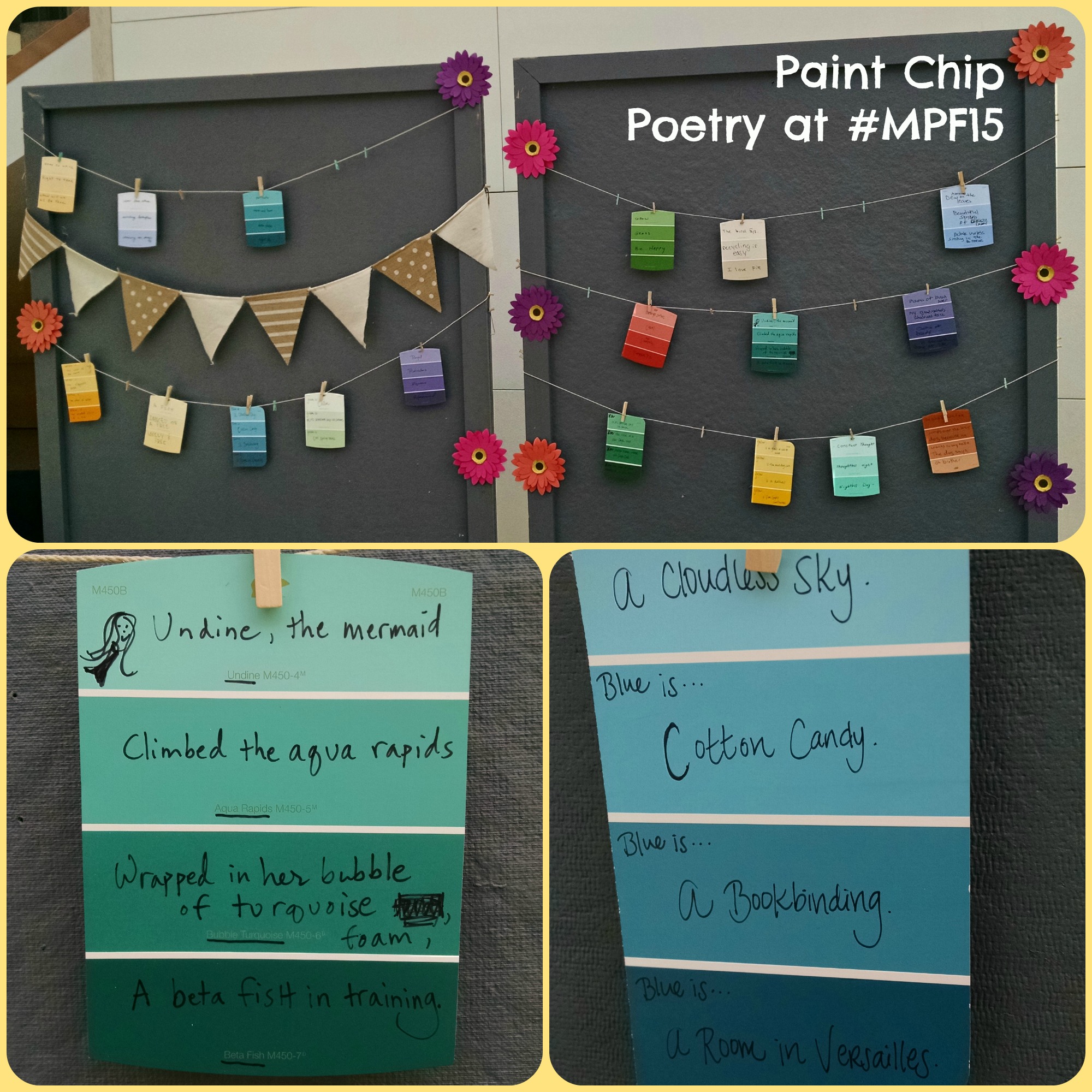
I learned about Edna St. Vincent Millay, read aloud and listened to a great collection of winter and spring poems from my fellow long-suffering New Englanders, and had many a meal with friends old and new.  Finally, I was pleased to see that PEM continued to play with words and art, featuring Mad Libs Muse prompts featuring ‘erasures’ from famous poems, paint chip poetry focused on color and brevity, and even a giant Scrabble game.

paintchippoetrympf15

Thanks and congratulations again to Michael, Jan, and Laurin for putting together another spectacular weekend!

Uncategorized

Narratives Found: A day of surprise and serious wordsmithing

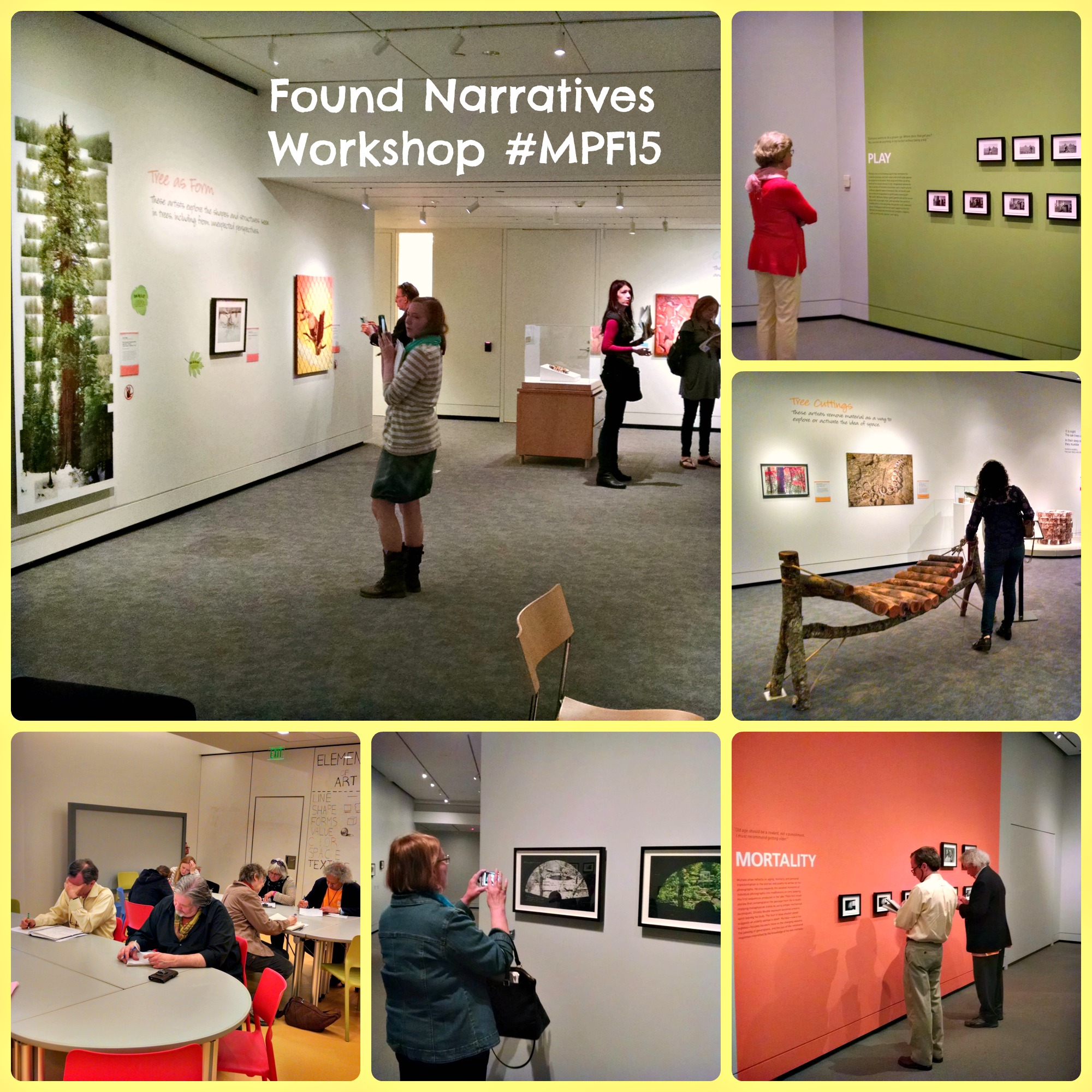
I have lots of thoughts about the last few days of the Mass Poetry Festival, so expect those in a subsequent post, but first I’d like to say ‘thanks!’ to everyone who attended my workshop “Found Narratives” on Sunday morning at the Peabody Essex Museum. I promised I’d put my presentation up online, so the slides are below, with a summary of the ideas that kicked off our writing session.

http://www.slideshare.net/mwinikates/meg-w-mapofest15foundnarratives

What is the role of curators in creating an exhibition, and how is that like (or unlike) the role of a poet?

Curators have a number of roles:

  • Caretaker/Historian/Preservationist – all exhibitions are a continuation of, response to, or rejection of previous history (art history, historical narrative, etc.)  By choosing to include objects, artworks, etc. in a show, curators demonstrate that they think these particular things are worth saving, displaying, and sharing.
  • Author/Editor – curators pick which exhibition elements will best help them tell the story of the person/place/time period/movement/historical event that they want to tell.
  • Interpreter – A good curator (through a good exhibition) poses questions, invites discussion, offers new perspectives, and has an impact on the viewers that gives them a brain-tingling set of new ideas and questions of their own.

Arguably, a poet has much the same set of roles:

  • Historian – all poetry draws inspiration from, responds to, rejects, or reworks the written (and oral!) canon and literary tradition that preceded it. Play and challenge are vital acts of the poet-as-historian.
  • Author/Editor – words are a poet’s tools, and which words you pick and which words you juxtapose, emphasize, etc. are the keys to creating a poem with impact.
  • Interpreter – “If it blows the top of my head off, I know it’s Poetry.” Emily Dickinson was right on, IMHO. Just like visual art, a good poem makes the reader think, question, observe, react, feel, breathe a little differently than before they encountered the words.

The power of both of these roles is in the choices that we make.

Blank walls, blank paper, blank screen. You can put anything there in any order, so where do you start? It all depends on the impact you want to have. Are you aiming for accessible or inscrutable? Mysterious? Open? Comforting or confronting? Your goal determines your choices as much as your natural voice does.

In the case of an exhibition, there are numerous voices involved, of course. Aside from the curator, there are exhibition designers, an interpretive editor, often an educator, all offering suggestions which will help highlight and shape the story the curator wants to tell.  The team’s choices form the bridges for the connections visitors will make when standing in the space.

Will there be long sight lines or lots of small spaces? Which pieces are in conversation with each other, whether in support or in opposition?  Do you hang them together or separately? What color are the walls?  How much extra information do you put on the labels/wall text? What style font do you use?

For poets, this correlates to choices about line length, word juxtaposition, rhyme and meter, form.  Where do you want your viewer’s/reader’s eyes to go next?

The Idea for the Workshop

All this discussion grew out of a collaborative project between myself and photographer Michele Morris, Palettes of Light, in which we paired images from two of her series and then I wrote a poem connecting the two. It seemed a natural progression to me that this would work with any pair of artworks, provided that the poet started with two pieces that resonated with them for one or more reasons.  Ekphrastic poetry has a long and proud history (Musee des Beaux Arts, anyone?), and this is a way to celebrate not only the creative efforts of the visual artist, but also the imaginative connective power of the viewer. (A workshop participant later described this exercise as ‘Next Level Ekphrasis’ and said she was going to teach it to her students, which made me very happy indeed.)

The Task: Find your Narrative

In preparation for spending time in two exhibitions, I asked the workshop participants to do the following:

  • Find 1-2 works in each of the exhibits that really sang to them, for any reason at all.
  • Brainstorm a list of words and phrases provoked by each work.
  • Take photos of the works to use for future reference.  (There was a hard limit of 10 minutes per gallery to make sure we had time to get back to the studio to write, and poetry and art appreciation both benefit from more time.)
  • Once back in the studio, find a connecting thread between the 2 works.
  • Write ‘the bridge,’ aka, draw out the connection and give it support using the inspiration from the two artworks.
  • If they hated everything from one exhibit, they could pick 2 from the same exhibit. (No one who chose to share their work at the end chose this option.)

How do we get there? The Source Material

Using Visual Thinking Strategies, we spent a few minutes in each gallery as a group looking at one art work.  I asked only three questions (“What do you see?” “Why do you say that?” and “What else?”), and let people build upon their own and others’ observations to discuss the work in front of them, then let them go to explore each gallery.

Stop 1: Duane Michals, Storyteller

I picked this show because Michals often treats his photographs as a storyboard: there’s a lot of narrative, sometimes with his own reflections, stories, memories, and poems written directly on the surface of the print. He has a playfulness to a lot of his work that I find appealing, and many of his themes tie easily into poetry (time, mortality, desire, wonder, discomfort, humor).

Stop 2: Branching Out, Trees as Art

This show focuses on the way artists use trees as both artistic material and as inspiration.  There are many more abstract works in this exhibition, and lots of themes about the ways humans relate to their environment.

On their own time, I encouraged participants to explore the rest of the museum as well and try this exercise again.
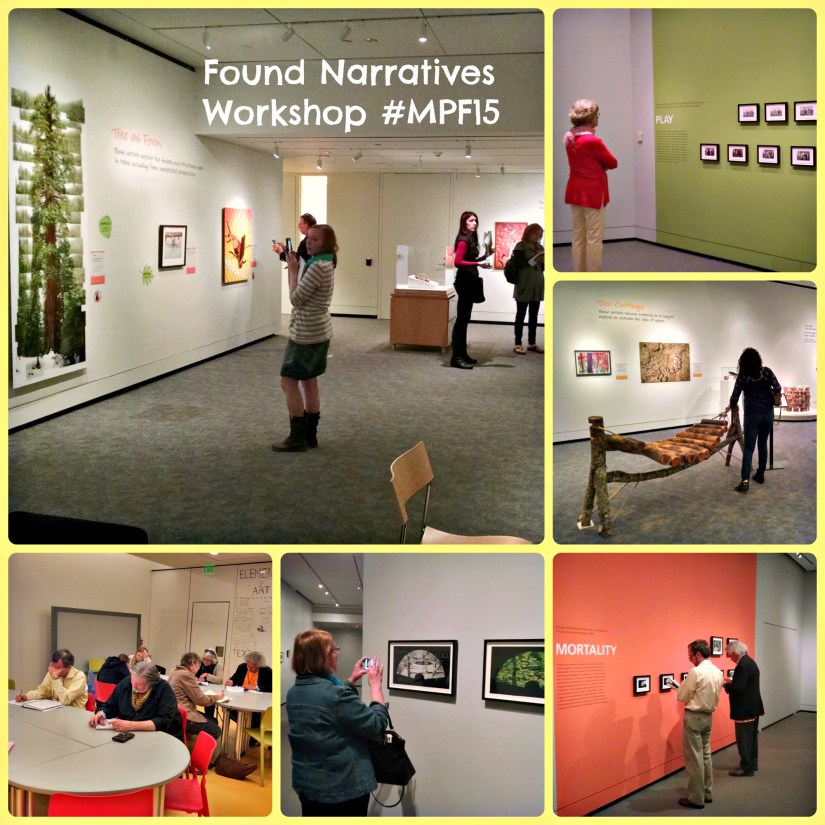
foundnarrativesmpf15

Possible Connections

There are a lot of ways to find a bridge that connects two seemingly disparate artworks.  The following list I had up on display for participants to consider as they began their writing:

  • Theme
  • Emotional reaction
  • Visual similarities
    • tone
    • texture
    • composition
    • color
    • movement
  • Resonances or dissonances
    • personal memories
    • references to artistic/literary tradition
    • using one artwork as a metaphor or frame for the other
    • timelines (cause and effect, before and after, etc.)

Participants then had about 15 minutes to work on their poems, and time at the end of the session to share their favorite lines (or the whole poem if it was short).  About half the workshop chose to share, and I was really impressed with the vivid language, the fantastic imagery, and the unusual connections they made.  I was also pleased, amused, and a little surprised that a few people chose an interactive element (an amadinda, similar to a log xylophone) instead of an artwork for their second piece.  I had, after all, asked them to find a piece that ‘sang’ to them–a few took me quite literally!

Do you find visual art a stimulus to your writing? Would you try this exercise or share it with your students/writing group? Have you tried it and do you have a result to share?  Add your thoughts to the discussion in the comments below!

Uncategorized

May 1-3: Poetry, the sea, and me

masspofest15logoThe Massachusetts Poetry Festival is this weekend, and I’m geared up and ready to go! If you’ll be in Salem for the festival, here are places to find me:*

Friday

1:15 pm – “Because, the Internet” workshop
3:30 pm – Poetry meetup at Howling Wolf
7:30 pm – Headliner reading with Denise Duhamel, Nick Flynn, and Adrian Matejka

Saturday

9:30 am – “Edna St. Vincent Millay’s Massachusetts Poetry” workshop
11:00 am – “Writing Sound to Sound” workshop
sometime between 11 am – 2 pm – Poetry Carnival
12:15 pm – “From Zero to One” panel
2:00 pm – “Narrative Poetry” workshop with Naugatuck River Review
3:15 pm – either “Flatline Poetry” or “Aloha, Winter. Aloha, Spring.” readings
7:30 pm – Headliner reading with Rita Dove and Richard Blanco

Sunday

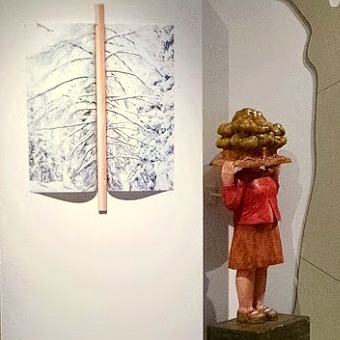
A view of Branching Out: Trees as Art from the Peabody Essex Museum
A view of Branching Out: Trees as Art from the Peabody Essex Museum. Photo by Meg Winikates.

10ish am – Paint Chip Poetry and other art activity drop-ins at PEM

11:30 am – “Found Narratives” workshop led by me! The workshop is currently sold out, but there’s a waitlist available, and it’s always worth turning up day-of in case there are no-shows.  Hope to see you there!

1 pm – either Rita Dove reading or “Shakespeare’s *itches, a Poetry Musical”
2:30 pm – Headliner Jorie Graham and Stephen Burt reading

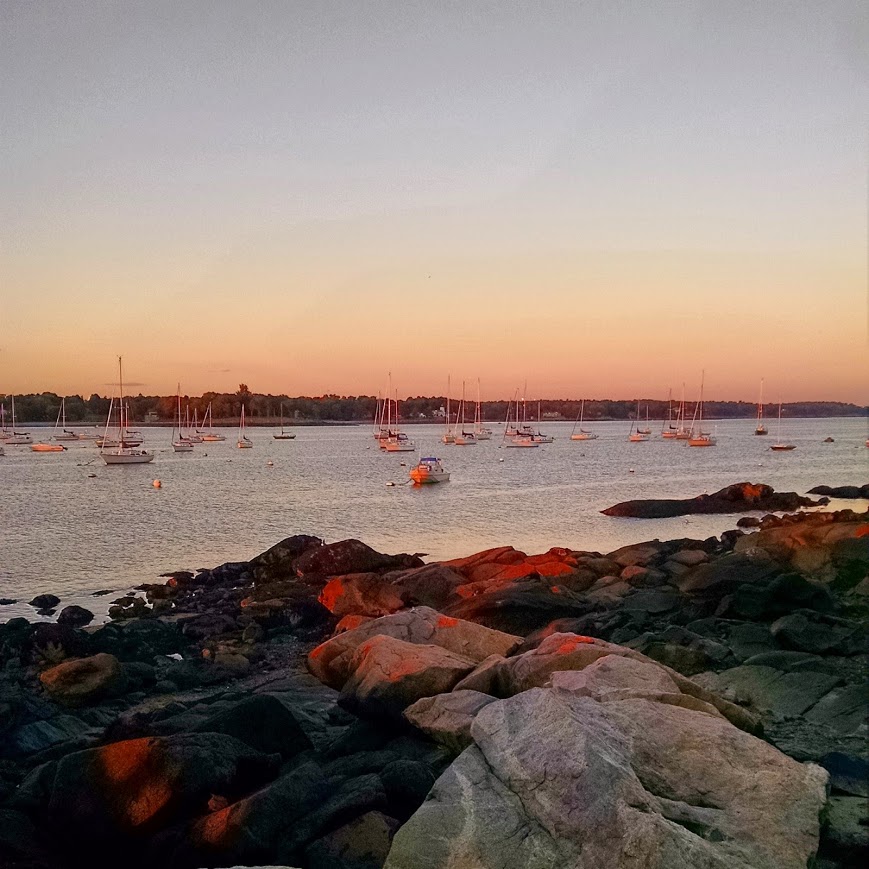
If I’m not where I’ve said I’ll be, I may be hanging out at the art activities, or walking down to the waterfront for a brain break, because when the ocean’s that close, why not take it in?

salemwillowssunset
A view from the Willows in Salem, September 2014. Photo by Meg Winikates.

*As with any festival kind of event, a schedule is more of a guideline than actual rules. I reserve the right to be a poetry pirate and sail off on a different tack if that’s how the wind blows on the day.  🙂

Uncategorized

Mapping Emotions, and Location as Character

How strongly are your emotions tied to places you know? Does thinking about the airport lead to frustration or elation? Do you automatically smile when you turn a corner that brings you closer to a favorite view? How much of what you feel bleeds into what you write, and how does where your writing take place influence the characters/perspective of your narrative?

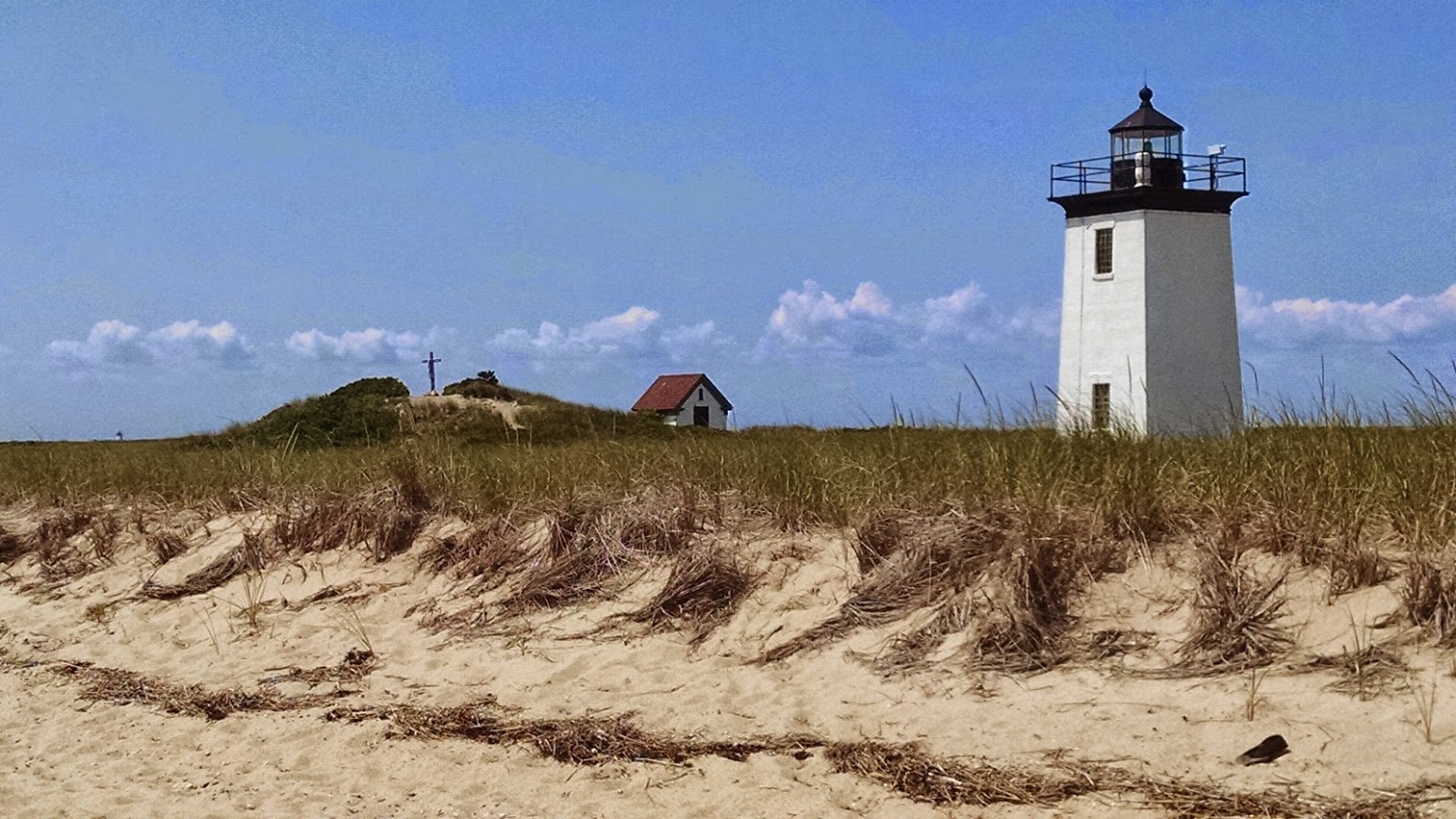
I can feel my heart slow down and the corners of my mouth lift every time I look at this picture from last summer on Cape Cod.

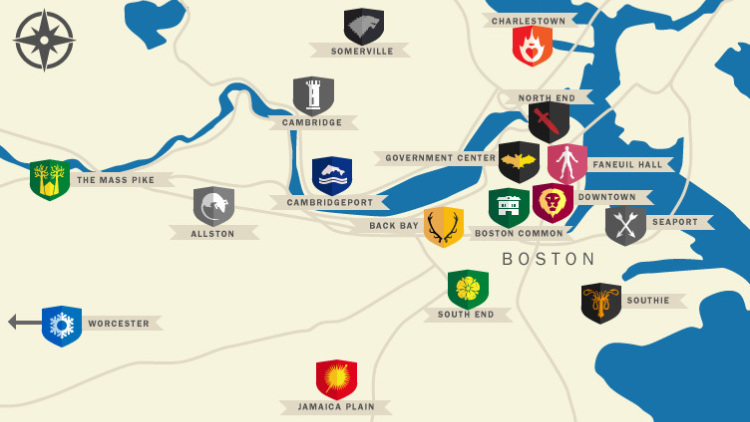
And what would it look like if you made an emotional map that goes with your world-building? It might look like Stanford University’s “Mapping the Emotions of Victorian London” project. The New York Times has a great write up of it here. Or it might look like Toronto’s Poetry Map. Or maybe it looks like this:

Mapping Westeros onto Boston & Environs, by Michelle Forelle. Click for source.

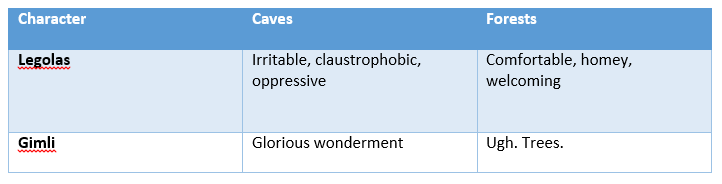
(I’m having visions now of writing a character who treats their entire existence as if it’s lifted from other fictional sources. That could be fun.) Maybe it’s as simple as this, to help remember how your various characters are going to be likely to react in certain locations or under certain conditions: charactermaplotr As the weather’s been getting better and people’s spirits are rising, these are the kinds of things I’m thinking about, especially since I also recently moved and am learning a whole new set of favorite haunts.  What are your thoughts on the impact of place on your writing?

Uncategorized

“Mill Brook” & Happy National Poetry Month

You didn’t think I’d let more than a few days of National Poetry Month pass without comment, did you? I celebrated the first week by diving headfirst into Mary Oliver’s latest volume, Blue Horses, which I adored, and also I’m gearing up for leading my session “Found Narratives” at the Mass Poetry Fest in May.  Finally, I’m doing my best to participate in the ‘poem a day’ challenge.  While I have been taking some of my themes from the challenge they’re hosting at Writers’ Digest, I’ve also been going where my whimsy takes me, so here’s a piece I’m fairly happy with from this month’s early efforts:

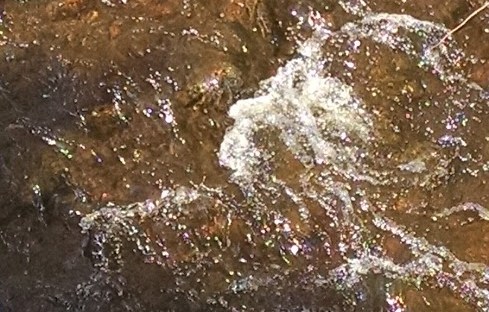
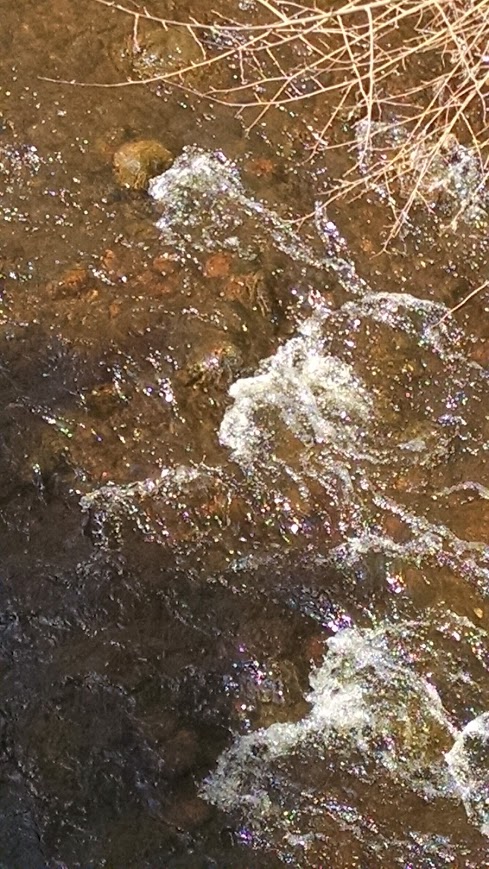
Mill Brook, from the Mill Street Bridge, Arlington, MA.  Photo by Meg Winikates
Mill Brook, from the Mill Street Bridge, Arlington, MA. Photo by Meg Winikates

Mill Brook
By Meg Winikates, April 2015

Missing the ocean, I have decided
to adopt the brook.
It is not especially approachable,
high-banked and fenced,
a little cantankerous at times
with the culverts and cobblestones
the city has gifted it.
But I am determined
to love its brown burbling,
its occasional patient mallard,
as we all await
the timid spring.

Uncategorized

Brushing up for Boskone

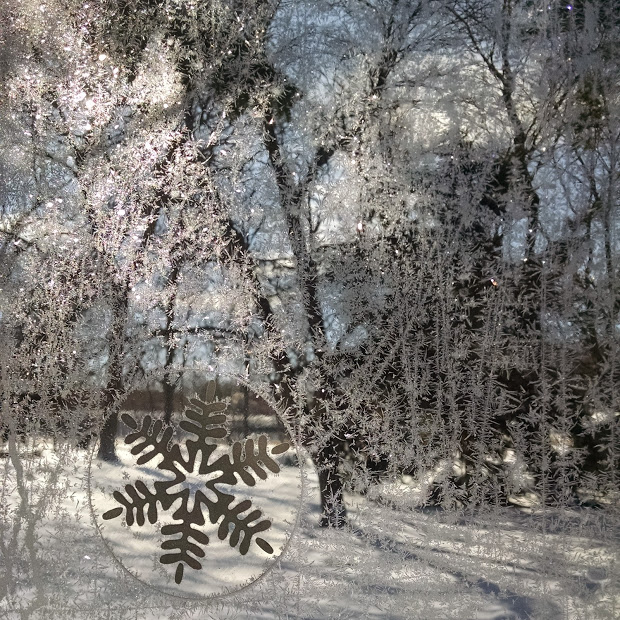
A shimmering visit from Jack Frost on the back porch last week.  Photo by Meg Winikates.
A shimmering visit from Jack Frost on the back porch last week. Photo by Meg Winikates.

February is here, and with it comes not only a shocking pile of snow, but also one of my favorite parts of the geeky side of the calendar: Boskone.  Last year I got to have tea and coffee with Jane Yolen (wow!) and Bruce Coville (also wow!).

This year, if you have the time available, there’s a bunch of free programming on Friday afternoon (2/13), which looks like a really cool selection of stuff.   I’m starting a new job so I won’t be able to make it before Friday evening at the earliest, but there’s no shortage of neat stuff to see the rest of the weekend. (Link above also goes to the rest of the weekend’s program.)

If you should happen to be at the convention on Sunday morning, don’t miss the Flashfic read-aloud competition at 9:30!  11 writers get 3 minutes each to read a story, get critiqued, and compete for the top spot, yours truly included.   Last year’s stories were all fun and incredibly varied, and I’m looking forward to being part of the action this year.  Hope to see you there!

Uncategorized

A bit of beauty to begin 2015

I rang in the New Year by spending some quality time in Middle Earth, and found myself still there today courtesy of this beautiful art project by Friedrich van Schoor and Tarek Mawad.  Surely Imladris or Lothlorien looked like this?

Projections in the Forest from 3hund on Vimeo.

Uncategorized

What makes a literary district?

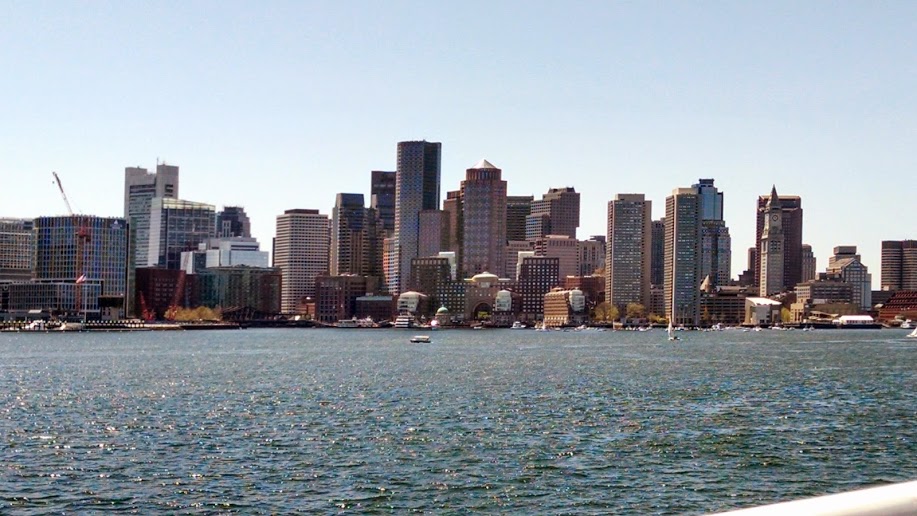
Boston from the harbor. Photo by Meg Winikates.

In August of this year, the Mass Cultural Council approved the creation of a ‘cultural district’ in Boston dedicated to the literary arts.  Cultural districts are a way of raising awareness about the various arts organizations and resources in an area, and are meant to have an economic impact as well, attracting businesses and creative professionals to a designated area.  There are currently 26 designated cultural districts in Massachusetts, and I find a lot to like in the definition the MCC provides:

It is a walkable, compact area that is easily identifiable to visitors and residents and serves as a center of cultural, artistic and economic activity. The Massachusetts Cultural Council recognizes that each community is unique and that no two cultural districts will be alike.

That seems like a set of very achievable guidelines, given that much of New England falls into the ‘walkable, compact’ category already, and the rest of the definition of ‘culture’ is left open to the strengths of the city/town that applies.

Revels' River Sing on the banks of the Charles.  Photo by Meg Winikates.
Revels’ River Sing on the banks of the Charles. Photo by Meg Winikates.  Many cultural districts seem to feature recurring music and dance festivals like this one, as well as the local waterfront, for understandable reasons. (Though the current Cambridge cultural district is in Central Square, up the road from where this celebration of the autumnal equinox occurs.)

So what makes the Boston Literary District (the only one of its kind in MA and the only district specifically geared to one arts discipline) fit the bill?

Mass Poetry recently interviewed Larry Lindner, the Literary District’s coordinator, who enthused about his hope that “the Lit District website becomes for Boston what Time Out is for people who go to London — a kind of what’s-going-on-in-the world-of-literature in Boston” and mentioned plans for an app to help explore the District in 2015.  And the physical district itself?  By making the sites and events more visible, accessible, and tangible, Lindner hopes to encourage timid readers as well as those already deep in the reading and writing world.  He also suggests that associate partnerships with organizations and businesses outside the District’s official borders can help their visibility as well, and bring some of the benefits of the district designation to other areas of the city that need it.  (Even events outside the city get a chance to be included on the District’s events calendar, such as a public art/poetry event in Newton earlier this month.)

The thing I love best about perusing the map of the district is the number of surprises it holds, even for someone who has lived all but 2 years of her life in and around this city, who has worked at a local literary/historical site (2 if you count the Paul Revere house and his own poetical connections), and who was an English major to boot.  For instance, did I know that E.B. White’s The Trumpet of the Swan was set in Boston’s Public Garden?  Maybe when I read it when I was nine, but I certainly didn’t remember the scene with Louis playing his trumpet on the actual existing bridge over the pond.  Nor could I have named even half the writers and poets listed as having ever been Boston residents.  (I love learning new things about my city!)

A few of the sites listed do seem like a stretch (there’s a small bookshop on the ground floor of the State House, really?) and some a bit vague (the Old City Hall listing says ‘Legend has it that that’s the setting for Edwin O’Connor’s novel The Last Hurrah‘) but on the other hand, one can choose to take that as a plus.  Some of these places had to really *try* to connect to the literary district.  It was worth the effort to find the thread, the history, the destroyed address that this modern building now stands over–and that’s kind of awesome, that people want to be a part of it.  I know next time I’m free to wander a bit downtown, I’ll be keeping my eye out for some of the literary landmarks listed.

Boston Public Garden (and Louis' bridge!).  Photo by Captain Tucker, used under creative commons license.  Click for source.
Boston Public Garden (and Louis’ bridge!)  Photo by Captain Tucker, used under creative commons license. Click for source.

And if you can’t make it to Boston to check out what’s going on on the bookish byways, take a stroll down Author Avenue  or Fantasy Street as you check out this virtual literary district at  My Independent Bookshop.  This site is a visually appealing compilation of people’s book recommendations which are then linked to independent bookstores.  I haven’t set up a ‘bookstore’ of my own yet, but it does look like a fun community and a fairly intuitive interface. (Don’t forget to scroll sideways as well as down, though!)