It’s spring, and I celebrated “Aprille with his shoures soote” by heading to England for a dose of literary pilgrimage, much in the spirit of my third and latest essay for all the sins, “And I must follow, if I can.” (Issue 3 is up in its entirety, and it’s great, go check it out!)
We hit London, Bath, Lyme Regis, Portsmouth, and Brighton in 6 days (whew!). Literary moments included seeing the musical of Matilda (Roald Dahl), a walking tour of literary London in Bloomsbury (Virginia Woolf and her cohort, Dorothy Sayers, Randolph Caldecott, TS Eliot, and more), saying hi to Shakespeare and Austen in the National Portrait Gallery, more Shakespeare, not to mention Beatles lyrics and more in the British Library, and that was just in the first two days. We also visited the Jane Austen Centre, the Assembly Rooms, and the Circus and Crescent in Bath, strolled the Cobb in Lyme Regis, and said “A little seabathing would set me up forever!” at least twice in Brighton. And I had a lot of Horatio Hornblower (CS Forester) feels at the Portsmouth Historic Dockyard. We also drank a lot of tea, and ate a lot of scones and Welsh rarebit. It was a stupendous trip.
Here are a handful of snapshots of some of the gorgeous, inspiring, hilarious, and memorable moments from my whirlwind Jane-Austen-inspired vacation:
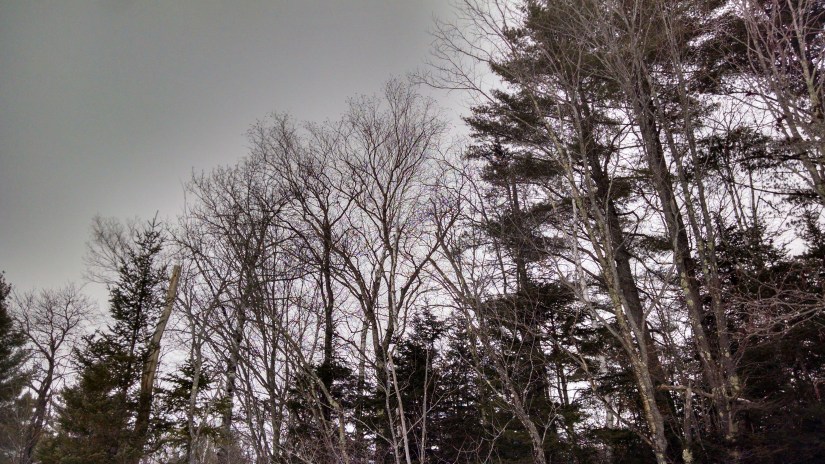
I have loved the several recent days of deep bright blue that is a sky color you never see in a hazy summer, but I have a certain affection for the fierce slate days as well.
Winter is a Dragon Day
By Meg Winikates
Gray clouds have teeth;
their bite bloods my cheeks
and my breath boils.
With every gust I prove I am alive.
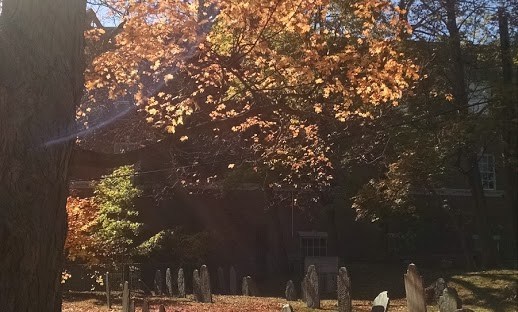
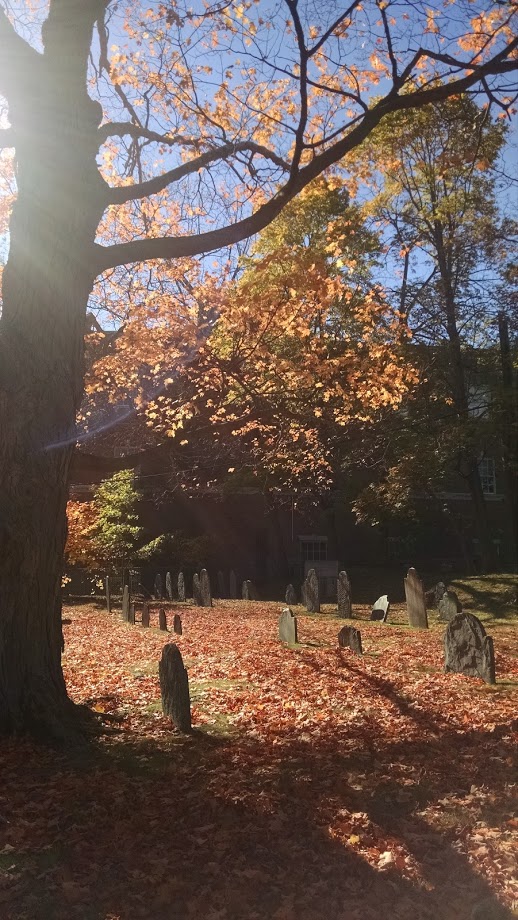
Graveyard, Arlington MA, October 2015. Photo by Meg Winikates
It’s autumn, and despite being an agreeably insane sort of busy right now, I had a chance to go out at lunch today and take in the seasonal delights. Peak foliage around town was actually probably the end of last week, but there’s still a lot of gorgeous to be had, and that brilliant invigorating bite in the breeze today is the sort that makes me glad to be alive.
And so in celebration of my favorite season, have a poem by fellow New Englander Emily Dickinson!
Besides the Autumn poets sing (131)
Emily Dickinson, 1830 – 1886
Besides the Autumn poets sing,
A few prosaic days
A little this side of the snow
And that side of the Haze –
A few incisive mornings –
A few Ascetic eves –
Gone – Mr Bryant’s “Golden Rod” –
And Mr Thomson’s “sheaves.”
Still, is the bustle in the brook –
Sealed are the spicy valves –
Mesmeric fingers softly touch
The eyes of many Elves –
Perhaps a squirrel may remain –
My sentiments to share –
Grant me, Oh Lord, a sunny mind –
Thy windy will to bear!
If you’re hungry for more autumnal poetry, you might want to check out this Wednesday’s Improbable Places Poetry Tour. Imagined, organized, and hosted by poet and Montserrat professor Colleen Michaels, this month’s stop on the tour is at Green Meadows Farm in South Hamilton, MA, and a gathering of poets will be reading a selection of their works on the theme of “Harvest/Moon”– including me!
I’ll be there to listen, bask by the bonfire under the moon, and read one of my own night sky pieces. Hope to see you there!
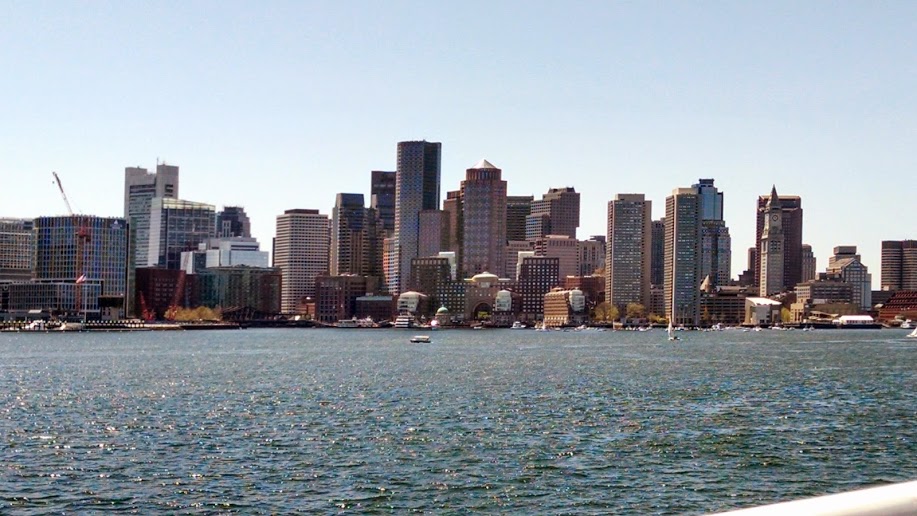
In August of this year, the Mass Cultural Council approved the creation of a ‘cultural district’ in Boston dedicated to the literary arts. Cultural districts are a way of raising awareness about the various arts organizations and resources in an area, and are meant to have an economic impact as well, attracting businesses and creative professionals to a designated area. There are currently 26 designated cultural districts in Massachusetts, and I find a lot to like in the definition the MCC provides:
It is a walkable, compact area that is easily identifiable to visitors and residents and serves as a center of cultural, artistic and economic activity. The Massachusetts Cultural Council recognizes that each community is unique and that no two cultural districts will be alike.
That seems like a set of very achievable guidelines, given that much of New England falls into the ‘walkable, compact’ category already, and the rest of the definition of ‘culture’ is left open to the strengths of the city/town that applies.
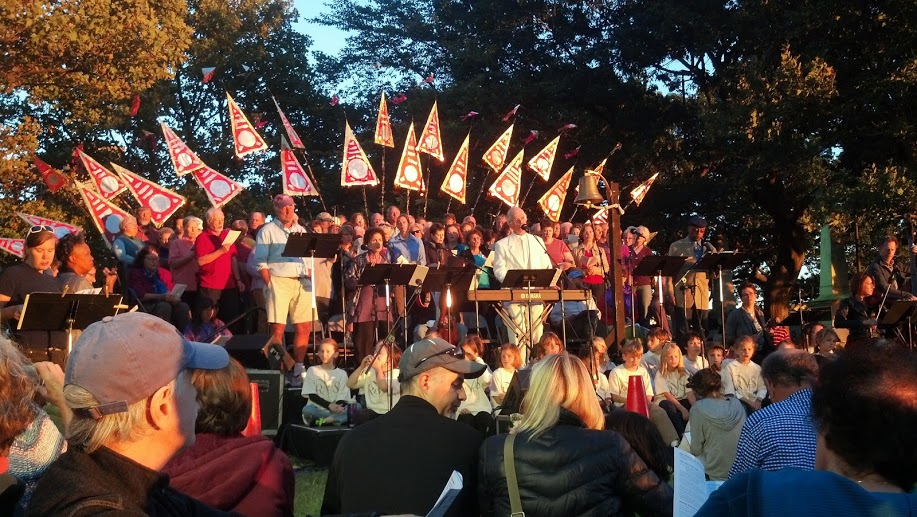
Revels’ River Sing on the banks of the Charles. Photo by Meg Winikates. Many cultural districts seem to feature recurring music and dance festivals like this one, as well as the local waterfront, for understandable reasons. (Though the current Cambridge cultural district is in Central Square, up the road from where this celebration of the autumnal equinox occurs.)
So what makes the Boston Literary District (the only one of its kind in MA and the only district specifically geared to one arts discipline) fit the bill?
Mass Poetry recently interviewed Larry Lindner, the Literary District’s coordinator, who enthused about his hope that “the Lit District website becomes for Boston what Time Out is for people who go to London — a kind of what’s-going-on-in-the world-of-literature in Boston” and mentioned plans for an app to help explore the District in 2015. And the physical district itself? By making the sites and events more visible, accessible, and tangible, Lindner hopes to encourage timid readers as well as those already deep in the reading and writing world. He also suggests that associate partnerships with organizations and businesses outside the District’s official borders can help their visibility as well, and bring some of the benefits of the district designation to other areas of the city that need it. (Even events outside the city get a chance to be included on the District’s events calendar, such as a public art/poetry event in Newton earlier this month.)
The thing I love best about perusing the map of the district is the number of surprises it holds, even for someone who has lived all but 2 years of her life in and around this city, who has worked at a local literary/historical site (2 if you count the Paul Revere house and his own poetical connections), and who was an English major to boot. For instance, did I know that E.B. White’s The Trumpet of the Swan was set in Boston’s Public Garden? Maybe when I read it when I was nine, but I certainly didn’t remember the scene with Louis playing his trumpet on the actual existing bridge over the pond. Nor could I have named even half the writers and poets listed as having ever been Boston residents. (I love learning new things about my city!)
A few of the sites listed do seem like a stretch (there’s a small bookshop on the ground floor of the State House, really?) and some a bit vague (the Old City Hall listing says ‘Legend has it that that’s the setting for Edwin O’Connor’s novel The Last Hurrah‘) but on the other hand, one can choose to take that as a plus. Some of these places had to really *try* to connect to the literary district. It was worth the effort to find the thread, the history, the destroyed address that this modern building now stands over–and that’s kind of awesome, that people want to be a part of it. I know next time I’m free to wander a bit downtown, I’ll be keeping my eye out for some of the literary landmarks listed.
Boston Public Garden (and Louis’ bridge!) Photo by Captain Tucker, used under creative commons license. Click for source.
And if you can’t make it to Boston to check out what’s going on on the bookish byways, take a stroll down Author Avenue or Fantasy Street as you check out this virtual literary district at My Independent Bookshop. This site is a visually appealing compilation of people’s book recommendations which are then linked to independent bookstores. I haven’t set up a ‘bookstore’ of my own yet, but it does look like a fun community and a fairly intuitive interface. (Don’t forget to scroll sideways as well as down, though!)
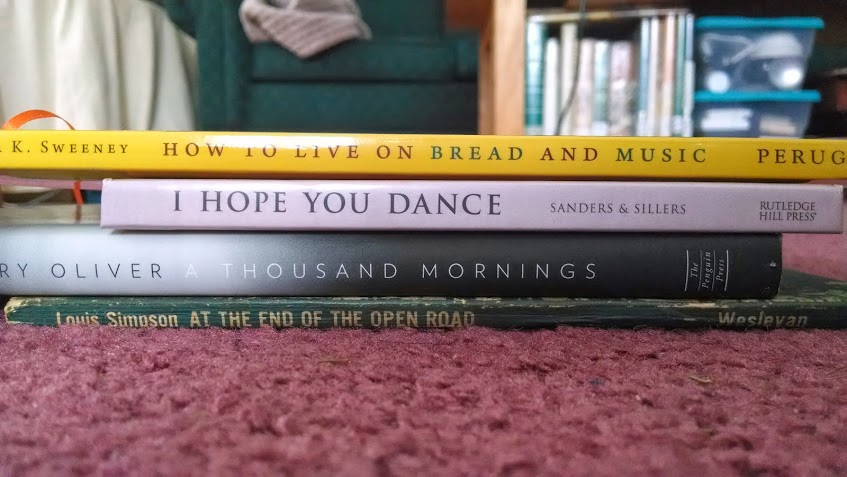
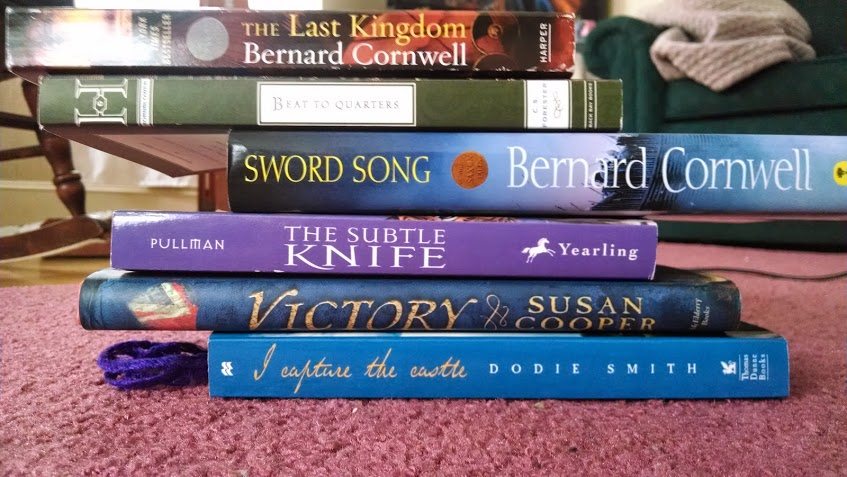
Last year’s found poetry experiment required altered books (Post 1 on Brain Popcorn, Post 2 on Sea Dreams). This year, inspired by the remarkable photopoetry of Nina Katchadourian (see her Sorted Books Project and accompanying book), I decided to mine my own shelves for poetic assemblages of titles. Unsurprisingly, there was a lot of epic sword-and-castle type imagery, both historic and fantastic. And also dragons, though I’m still working on making some of those titles into a fluid poem.
Here, then, are two poems for you from my bookshelves!
“How to live on bread and music/I hope you dance/A Thousand Mornings/At the end of the open road” Bookspine poem by Meg Winikates“The last kingdom/Beat to Quarters/Sword Song/The Subtle Knife/Victory/I capture the castle” a bookspine poem by Meg Winikates
Check out other great visual constructions of poetry over on my interdisciplinary museum blog, Brain Popcorn, here: Poetry Constructions
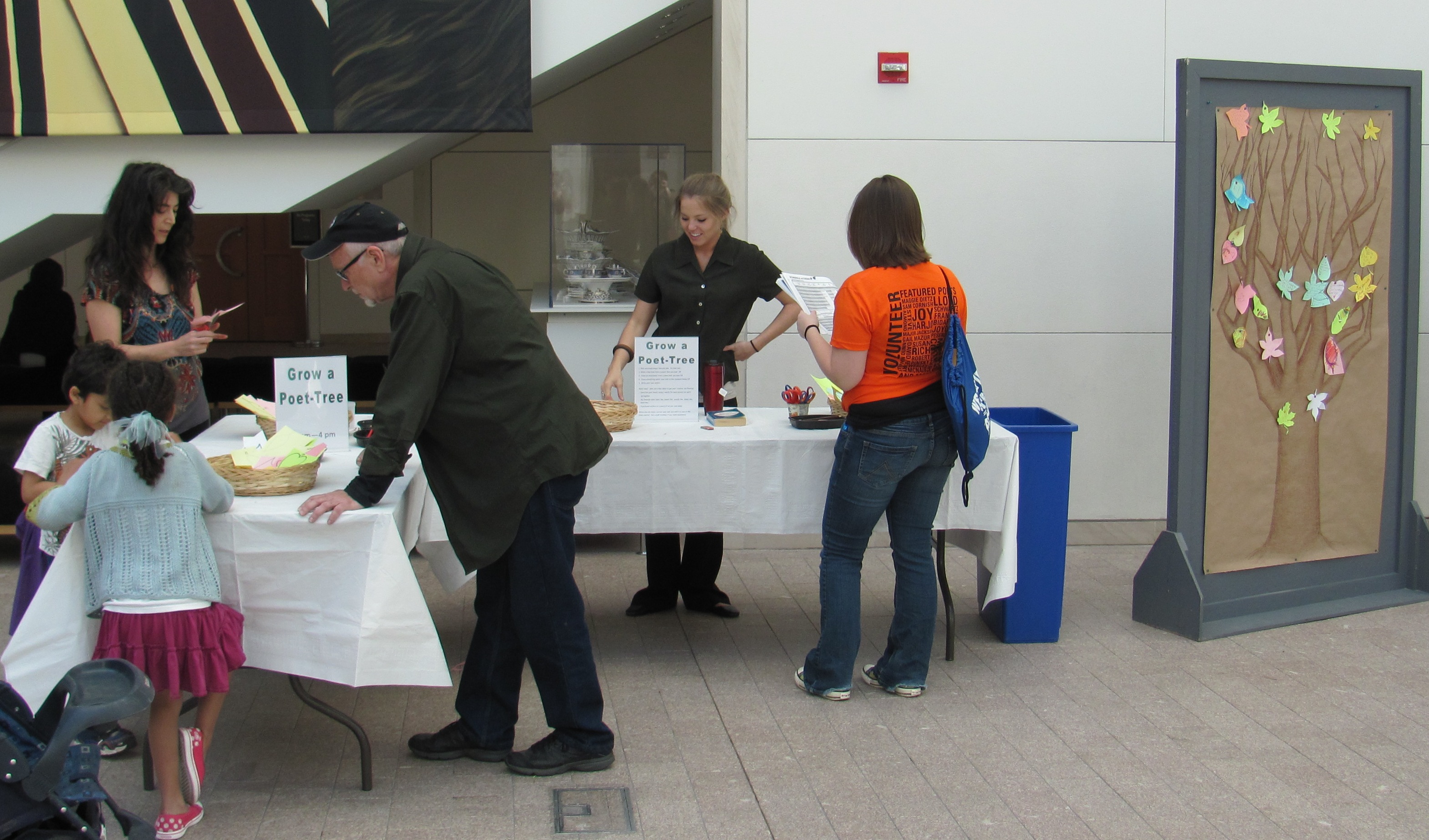
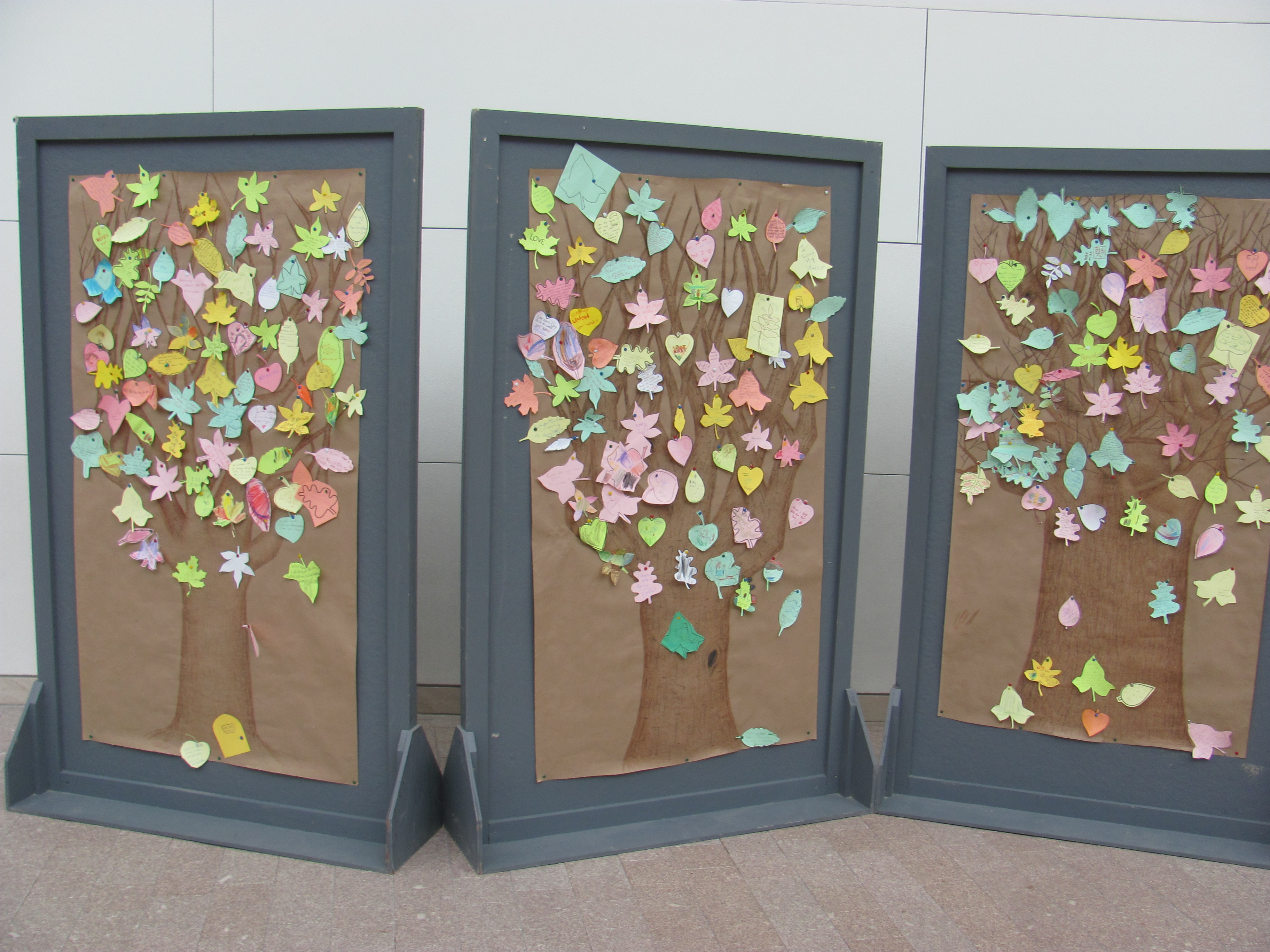
Just a few snapshots from this weekend’s drop-in art and writing activity, “Grow a Poet-Tree” at PEM for the Massachusetts Poetry Festival. Kudos to my intern Kate for drawing three beautiful trees for us to decorate with leaves of original and remembered poetry, illustration, and reflection.
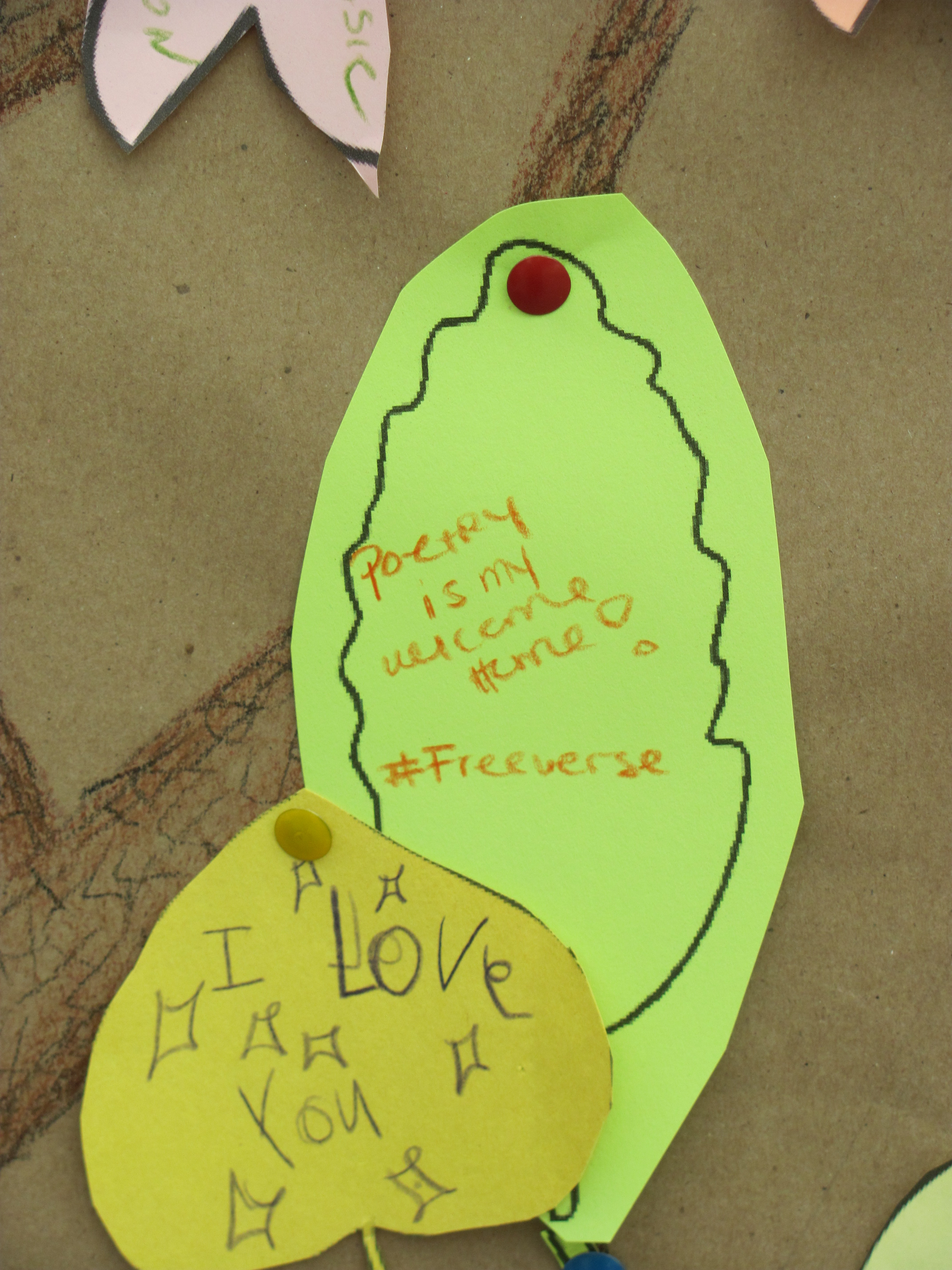
Poets quoted included but were not limited to: ee cummings (the runaway favorite with at least 5 quotes on the trees), Robert Frost, Henry Wadsworth Longfellow (the runner up in popularity, and not my fault), John Masefield (okay, that was my fault), and Shel Silverstein, with a hefty sprinkling of song lyrics (“Morning has Broken” for instance, though no “Amazing Grace”) and a few ad jingles thrown in. Other messages included variations on a theme of ‘save the trees’ (clearly I do my work as an Art & Nature specialist thoroughly…), a lot of ‘I love you’s, and a few witty folk who wrote things like ‘This space intentionally left blank.’ I was most amused by the inclusion of text speak and hash-tags on several of the submissions, I think, but I was also impressed by the way some of the participants chose to address some fairly serious themes even in 2 square inches of space on a public bulletin board.
Greeting early poets and artists of all ages on Friday morning
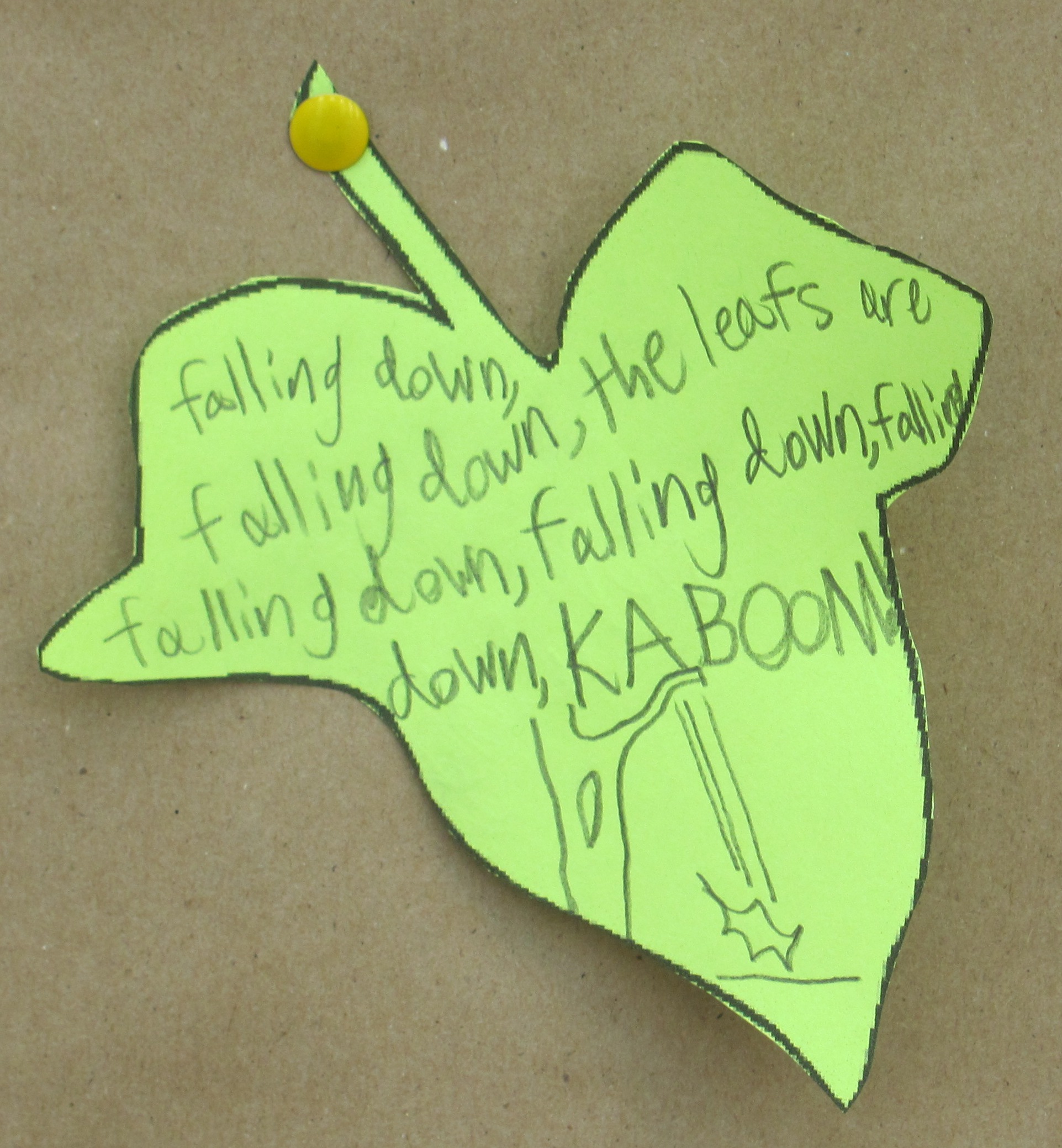
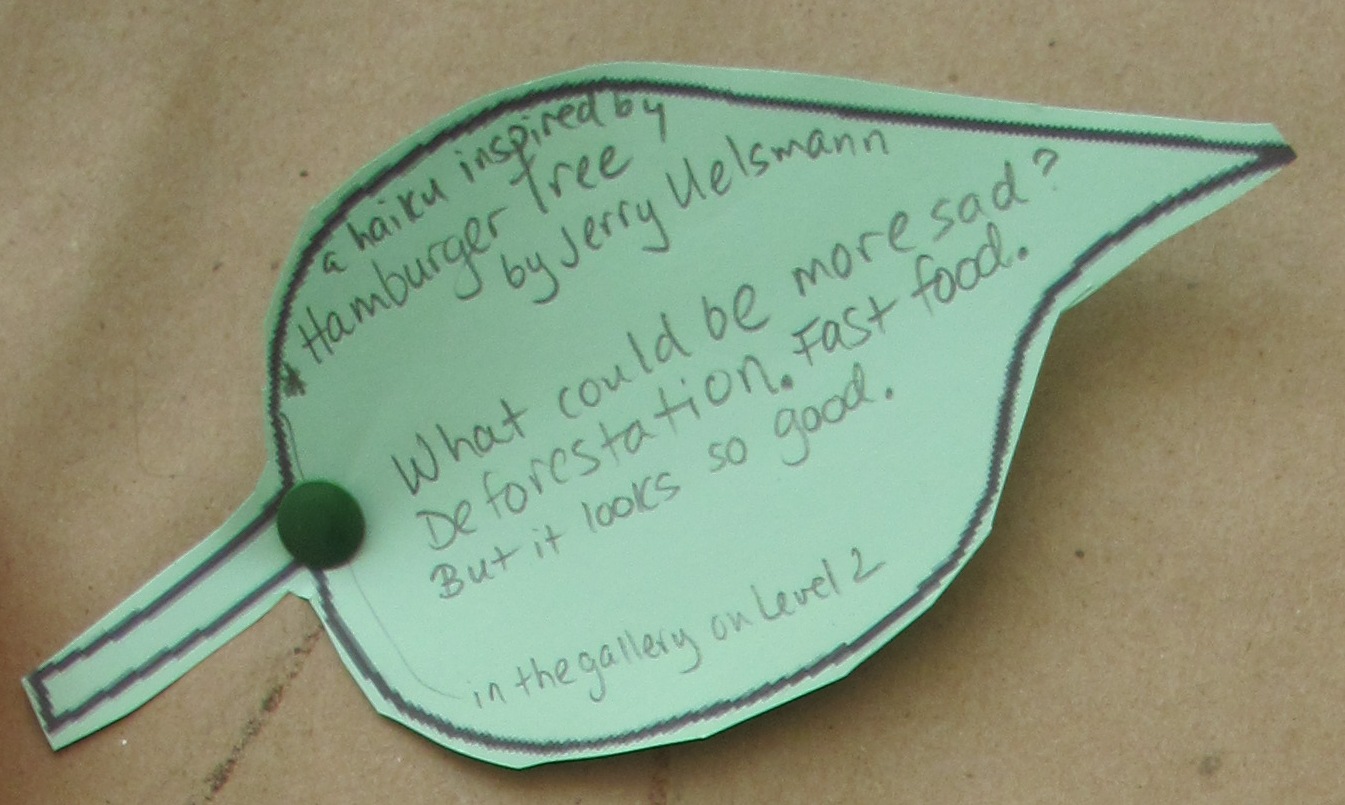
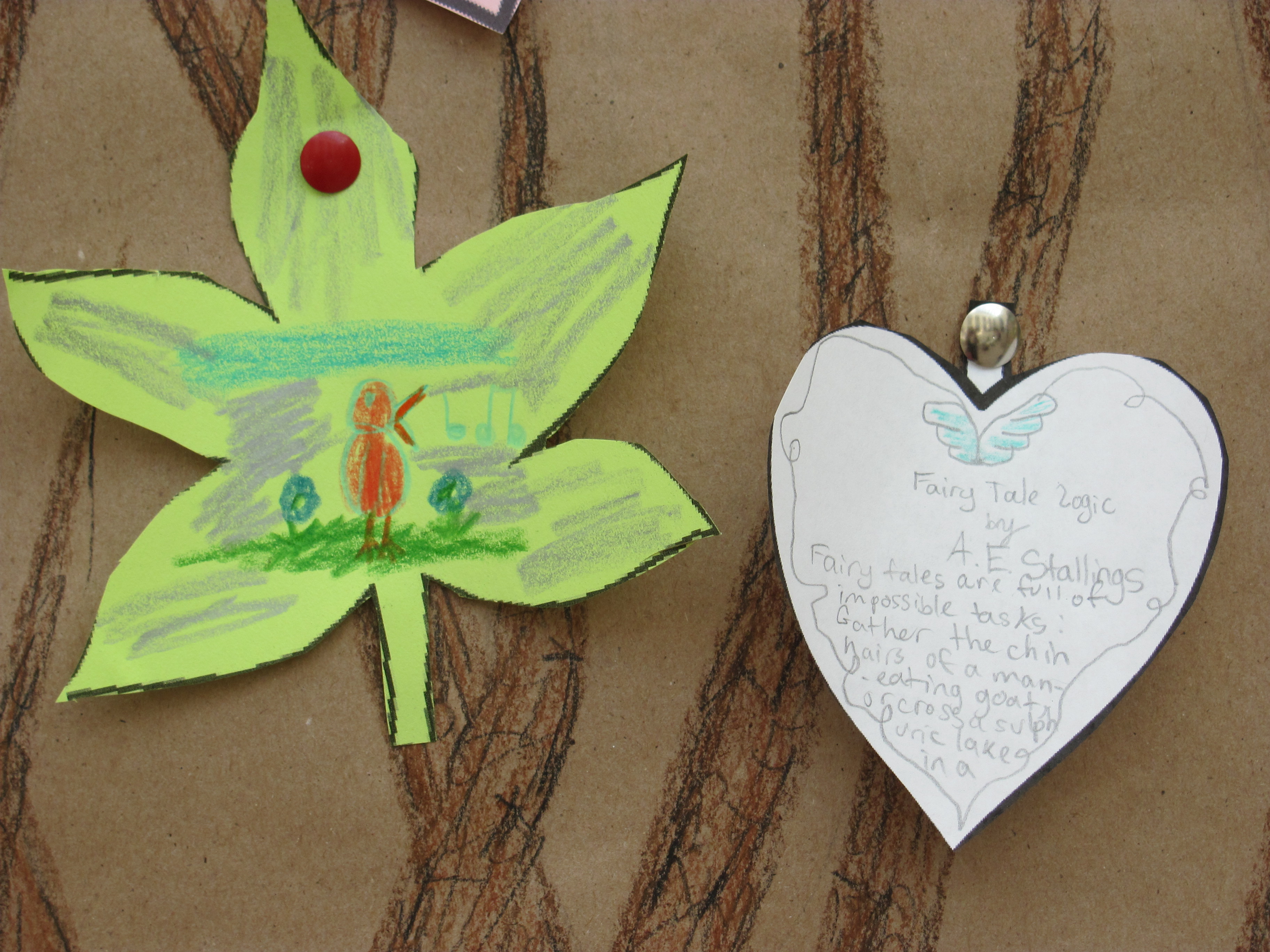
A few of my favorite additions to the Poet-Tree forest, courtesy of PEM visitors and attendees of the Poetry Festival:
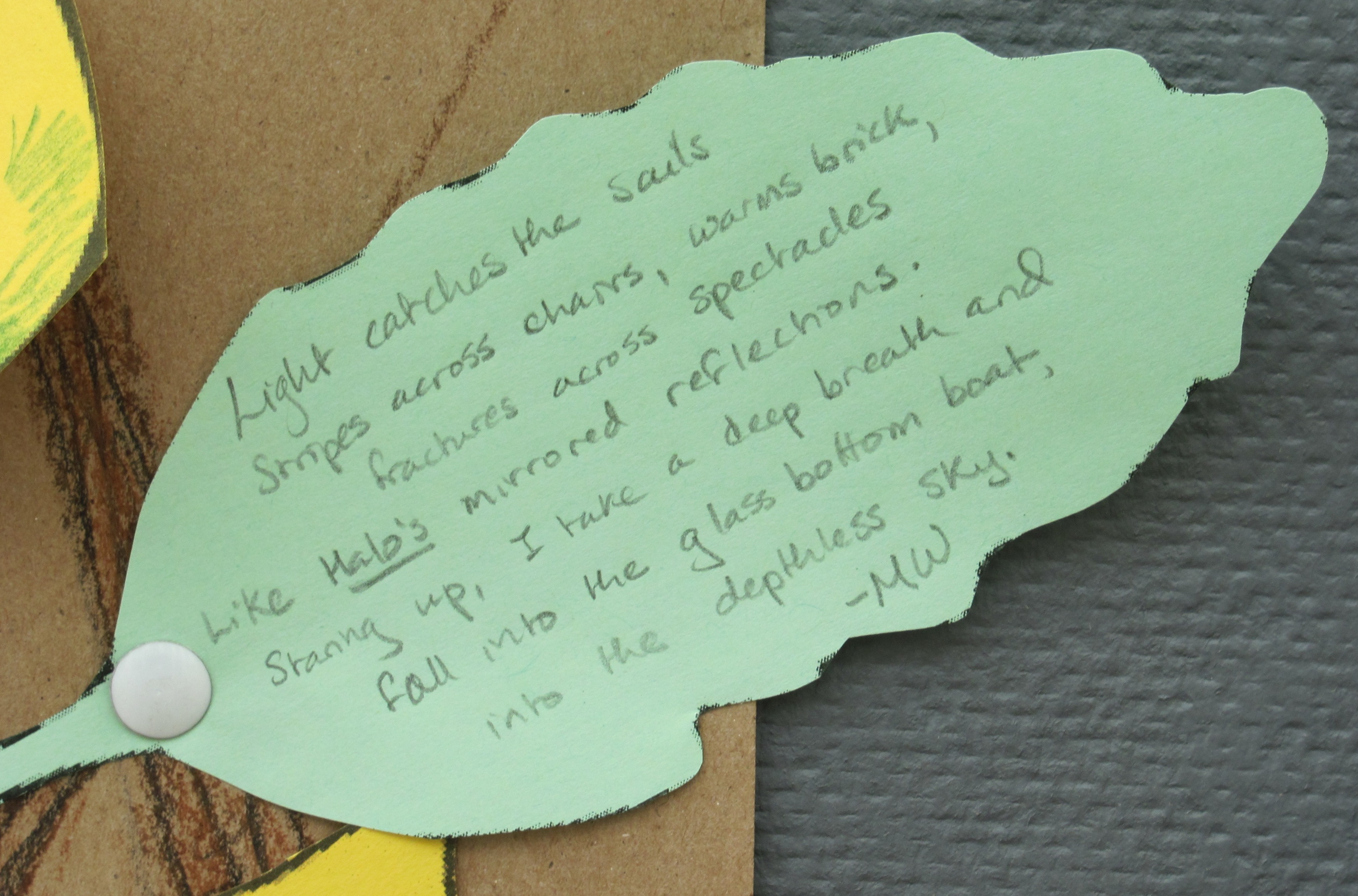
Forget asking about when a tree falls in the forest--apparently even these leaves make a noticeable auditory shock upon impact!Responding to a photomanipulated image by artist Jerry Uelsmann from a current PEM exhibit--someone went to the ekphrastic workshop!A fun illustration and a sweet poem about 'Fairy Tale Logic' (that participant was clearly my kind of whimsical!)One of several #freeverse tags. Who says poetry isn't adapting to the 21st century?My own addition to the tree, inspired by sitting in the Atrium and appreciating the greenhouse/sailboat effect of Moshe Safdie's glass roof.The final product





 Sea Dreams and Time Machines