
Uncategorized

Readercon Wrap-Up

I had a fantastic time at Readercon, so much so, in fact, that I totally failed to take pictures or tweet more than about twice. I did take about a thousand pages worth of notes, not just of the thought-provoking things people were saying, but of ideas that I was generating for stories, and things to keep in mind when revising stories I’m already working on. And clearly, there was a lot to absorb, which is why it’s taken me nearly a week to write up my reactions.
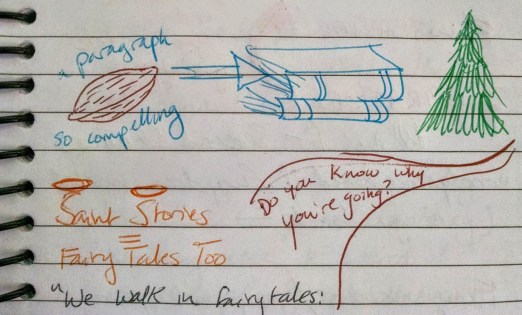
readercon notes
Not all my notes are this pretty. Many of them do contain doodles of rocketships, though.

Readercon is, of course, run by humans, well-intentioned yet possessed of blind spots, so there were a few moments in panels I attended where I winced. Others have covered those moments with more authority than I, however, and overall I was positively impressed with the level of dialogue and discussion in the panels I attended. (I wasn’t at some of the others that caused raised eyebrows.) Given Readercon’s reputation for listening to and responding to feedback, I hope next year will be better. Meanwhile, all my personal interactions with folks were fabulous, and I particularly enjoyed  my two shifts at the Broad Universe table in the Bookstore room, getting to know my fellow New England broads.

The highest hilarity of the weekend for me was the “My Character Ate What?” game show on sci-fi fantasy and food. I went because I so enjoyed watching that video of Mary Robinette Kowal breaking Pat Rothfuss’s brain, and I was sure she would not disappoint here either. She didn’t, and the rest of the panel of author ‘experts’ were equally hilarious, earnest, and full of beans in turn. (Both this and the engineering panel were led by Fran Wilde who also gets kudos for being a spiffing moderator.)
What makes a story worth retelling_

Guest of Honor Catherynne Valente was gracious, snarky, and inspiring by turns, and I thoroughly enjoyed all the panels I attended that she was on, as well as her solo reading. I even managed to get a couple of books signed and say ‘hi’ without making a complete fool of myself, so go me. (Author-encounter word-vomit is a thing, I’m sorry to say, but I did avoid it this weekend.)

I won’t attempt to transcribe my gazillion notes for you, but here are some highlights and particularly cool thoughts from some of the panels I attended.

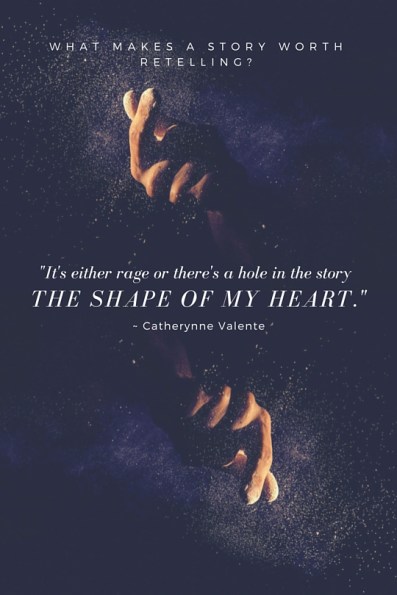
Speculative Retellings – Fabulous kickoff to the con for me. Retellings of myths and fairytales and folklore are *so* much fun, and the folks on the panel clearly agreed. The quote from Cat Valente above was from this panel, as is the picture of my notebook. The conversation ranged from superheroes to saints, origin stories galore, the retelling  opportunities present in both senses of identification with a story and senses of confusion or other-ness (‘this story isn’t really meant for me, but what if it was?’).  We re-tell stories either because we love them or we hate them and want to fix them (hello, fandom!). Frustration as inspiration, and questions about the currency of sacrifice–what are you willing to give up, to walk the path of the hero? What are the stories or characters that need second chances? Or choices? (Cat Valente pointed out that no one ever asked Eurydice if she *wanted* to leave the underworld with Orpheus, after all. Maybe she wanted to stay…)

Strong Female Characters and ‘Lady Bromances’ aka Female Friendships in Literature – I’m lumping my summary of these two panels together, because for me one fed into the other. There was a lot in here, and there’s room for more. I liked Mikki Kendall‘s point about Zoe Washburn in Firefly, and how she’s a perfect example of how the fact that women who possess the ability to compartmentalize in crisis are often not given the narrative room to have their grief or other emotional reactions once the crisis is passed. This is a trope that disproportionately affects black female characters; based on the evidence of Melinda May in the Marvel Universe and a few others I would think it affects other female characters of color as well. After all, Peggy Carter (whom I love, even recognizing the flaws in the show) gets a very rare but very real and necessary moment of grief for her roommate, who dies in the first episode after about 2.5 minutes of screen time. It’s a great moment, and more characters regardless of gender or race deserve the narrative space to be fully-rounded human beings. In counterpoint, the discussion of female friendships was great, because friends are part of what help make us fully rounded characters, and show different sides than might otherwise come across. Girlhood friends, adult friends, intergenerational friends; it was a good list of stories and characters that the panelists mentioned, and there were both books I now have to read and stories I now have to write.

Engineering in Fantasy – Definitely one of my favorite panels of the weekend. “Buildings have to get built, regardless,” said  John Chu, and from there it was off to the role of engineering in worldbuilding (more than just how people get around; not only on what, but do they have roads? irrigation? cartographers?) and the way good engineering is invisible until it breaks. This means breaking your engineering is a good story point; when something fails, what takes its place? Was it working for its original purpose and only broke when it was repurposed? What happens to a society’s structure when new tech is introduced? How much engineering can your world have without the theoretical science to back it up? (Because you can make things work without knowing why…) What about social engineering, the structures that make feudal systems and militaries work, among other things? What about a kind of educational and cultural infrastructure, the role of political and religious elites in spreading and sharing knowledge? Plus there are the benefits of looking at the way different cultures find different ways to solve the same problems and what that tells you about them, which is engineering as a kind of cultural shorthand, ie. the bridges of the Elves vs. the bridges of the Dwarves in Tolkien. (Several people in that session now want to write the story about “OSHA goes to Moria…”) Many kudos to both the panelists and the people in the audience who asked brilliant follow up questions!

Magic in Space – Jedi are space wizards, and that’s a very fine thing. But who else is writing cool magic in traditionally sci-fi milieus? This was a really fun panel talking about working mythology and magic systems into sci-fi: techno-mages, for instance, or mythical monsters in charge of alien planets, the concept of interstellar travel as its own sort of epic fantasy. Mikki Kendall said something interesting about how the differences in sci-fi versus fantasy are essentially just a matter of tone: “You have power. Period. How you choose to use that power is up to you,” which led to a neat discussion about spellcasting equivalents to computer programming, fears as inspirations, about magic being about control or accepting the loss of same, and when is magic a science (part of the rules of how that universe works) or something else (which breaks or bends the established rules of that universe). Does magic or sci-fi better answer the questions of why we seem to be alone in the universe? Is it just because the scale of space and time is just so vast, or are we being avoided? Will we recognize life when we find it? What about that space-jellyfish in Star Trek? Hasn’t there been magic in sci-fi all along? And isn’t it an example of magical thinking just to imagine the ways that life could be better or different, the way sci-fi writers naturally do?

Keytars in SF – Music is such an integral part to culture; it’s as worth considering (or considering its deliberate lack) in worldbuilding as engineering is. Discussion in this panel included everything from Earth music of past times being re-interpreted in the future (Star Trek TNG‘s Riker plays jazz and Data plays classical violin, Doctor Who declared Britney Spears the fitting soundtrack to the final explosion of the Earth) to alien instruments (Spock’s lute/harp thing, Dixieland-style music in Star Wars ANH‘s cantina) to the challenges and benefits of describing music and mood and enviroment as opposed to being able to show/play it in live media. The major thought-provoking statement from this panel for me (which I’m pretty sure was one of Cat Valente’s points) was thinking about music starting point being in the body; dance, rhythm, the physical requirements of instruments that need breath or digits or tentacles. (Now I want to write about an alien rock band…)

Mary Robinette Kowal’s “Short Story Structure (for Novelists)” workshop/lecture was a real writers’ craft highlight. Unfortunately, as she said in the beginning, she had ‘2 hours worth of content and only an hour to deliver;’ had the program wizards given her a 2 hour block, we would surely all have stayed. [Much as I appreciate the rapid-fire blocks of 50 minute sessions, I’d actually argue for a few more longer sessions for this level of quality content.] Fortunately, she did get through all the content delivery, though our ‘workshop’ was limited to ‘write down a whizzbang idea.’ She did, however, mention that she has writing exercises available on her website, which I intend to use. The diagnostic tools she introduced (average wordcounts for introducing locations and characters, levels of complexity involved in number of plot elements) were really helpful; looking back at some of my stories that have ballooned past what could reasonably be considered ‘short’ I can now tell why! I will definitely be using the plot sequencing idea (open and close your plot threads like html tags) to revise some of my short stories as well.
 

readercon bookpile
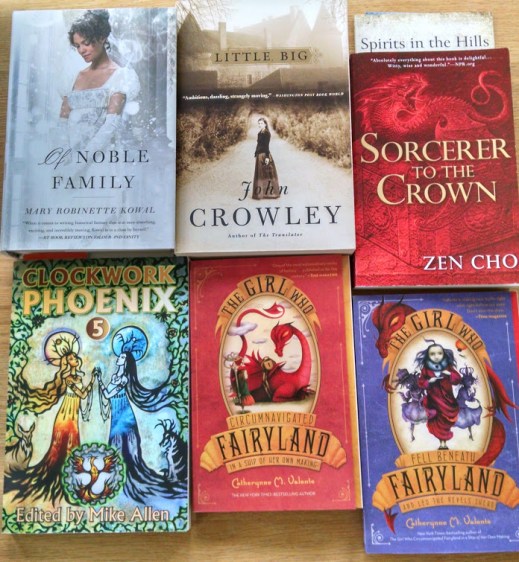
Books I either acquired this weekend or brought along to get autographs. My to-be-read pile just never gets any shorter…
Uncategorized

Readercon on the horizon

It’s difficult as a thinking, feeling, breathing human being not to be incredibly distressed by the needless violence of the last week, from the horrific ISIS bombings in Medina and Baghdad to the senseless deaths of both civilians and cops here in the US. Life is messy, and people can be horrible, and standing in my place of privilege and safety much of what I can do is put my donations and my vote behind the people I believe have the best interests of the whole country, the wider world, and safety and peace for all at heart. So that’s what I’m doing. Also, please register to vote, if you’re eligible and you’re not registered yet. One person, one voice, one action can make a difference. (Just look at Brexit. Let’s not be Brexit, okay?)

In the meantime, this weekend there’s a chance to celebrate imagining better, more inclusive, more positive worlds, so I’m going to Readercon. If you too should happen to be in Quincy, MA this weekend, here are some of the places you may find me:

Friday

  • 4 pm “Speculative Retellings” or “Harry Potter Goes to Grad School and Gets a Job”
  • 5 pm “Clockwork Phoenix Group Reading” or autographs with Catherynne Valente
  • 6 pm Guest of Honor reading by Catherynne Valente
  • 7 pm “Single Wise Advisor Seeks Same”

Saturday

  • 10 am “Instant Communication in Genre Fiction” or the Odyssey Writing Workshop intro session
  • 11 am “Beyond Strong Female Characters” or “Colonization and Beyond: The fiction and science of exoplanets”
  • Noon “Engineering in Fantasy”
  • 1 pm “I Pass the Test: the depictions, meanings, and consequences of magical tests and trials” or “If Thor can hang out with Iron Man, why can’t Harry Dresden use a computer?”
  • 3 pm “Ladybromances”
  • 4 pm “Interview with Catherynne Valente”

Sunday

  • 10 am “Magic! In! Spaaaaaaaaace!”
  • Noon “Short Stories Explained for the Novelist” with Mary Robinette Kowal (yay!)
  • 1 pm “Keytars in Science Fiction”
  • 2 pm “Science Fiction and Fantasy Fashion” or “The No-Good, Very Bad Antagonist”

Any other time:

  • The Broad Universe table in the Bookstore – this is a great and welcoming group of folks who support women writers in sci-fi, fantasy, and horror. And truthfully, possibly you’ll find me anywhere else in the Bookstore as well. That does happen on a fairly regular basis, after all.
  • If I get sick of panels I will go to readings. There are lots of cool looking readings!
  • ….I need a Time Turner or a TARDIS, seriously.
Uncategorized

Sounds, scuba, and spine-tingles: MA Poetry Fest 2015 wrap-up

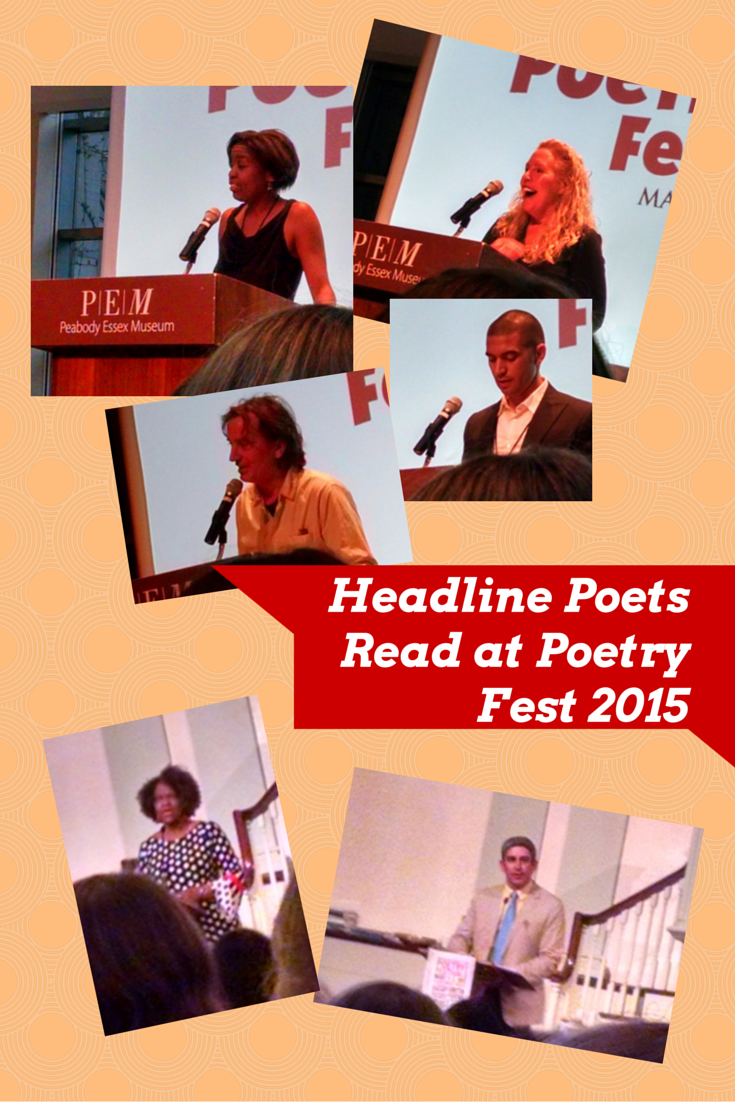
Headline Poets Read at MA Poetry Fest I have a fabulous time at the Mass Poetry Festival every year.  Every year I learn something new about writing, I am bowled over by a poet (or multiple poets) whose work I hadn’t before had a chance to appreciate, I get to spend time surrounded by people who love words as much as I do, and I come away exhilarausted, which is that peculiar state of wiped out and buzzed that comes from too much inspiration in too short a time period.

As always, the headline poets were fantastic. I didn’t make it to all the headline sessions, but both the Friday and Saturday night readings were interesting, featuring Nick Flynn, Adrian Matejka, Denise Duhamel, Rita Dove, and Richard Blanco. I was especially enamored of Rita Dove’s reading, and most particularly loved her poem “Maple Valley Branch Library, 1967,” linked below:

Full text of the poem can also be found here.

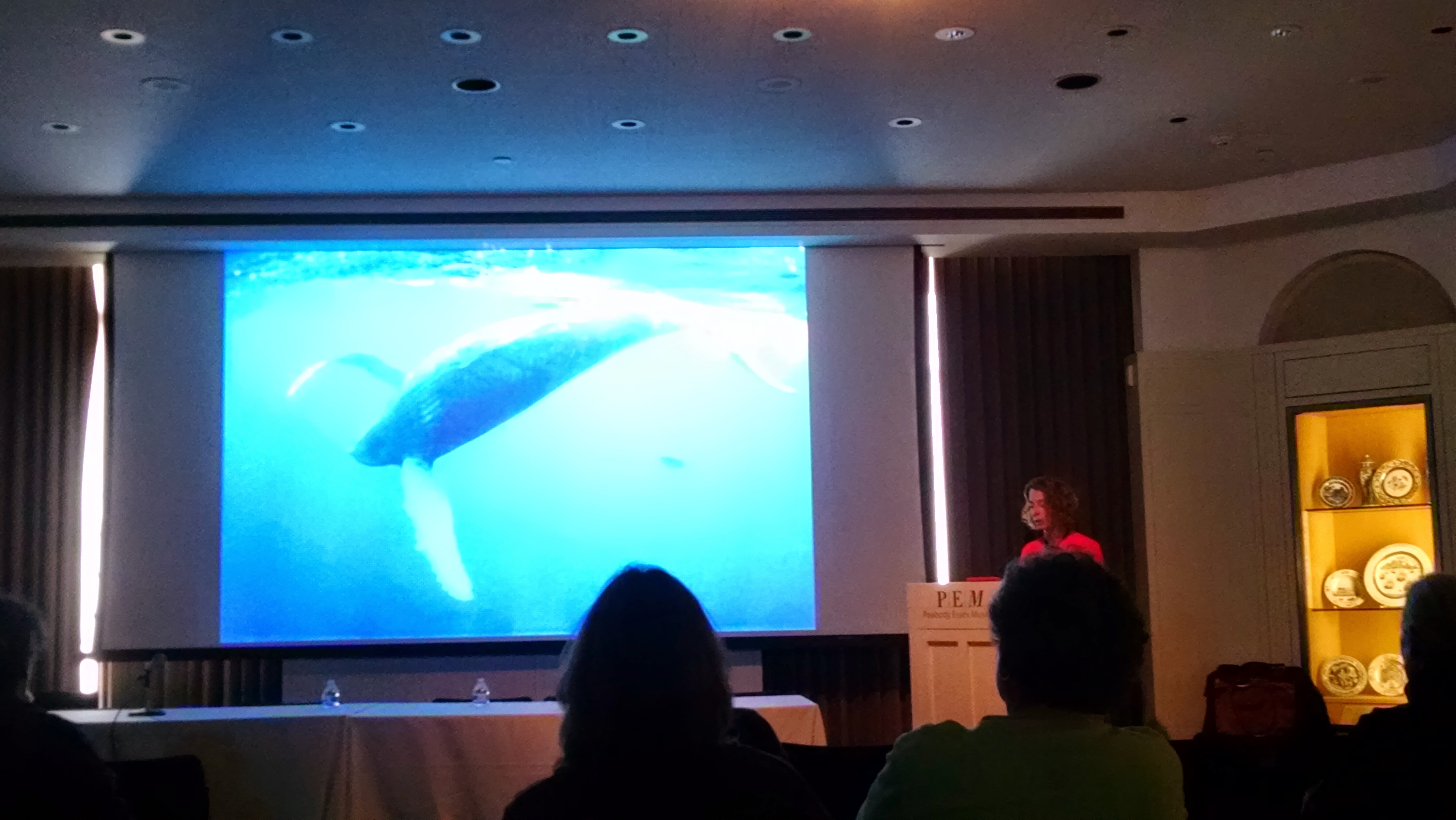
Scuba diving poet Marie Elizabeth Mali reads against a backdrop of her photography.

Other moments that caught my imagination included the reading of marine-inspired poetry to a running background of underwater photography, the highly entertaining “Digital Age Poetics” workshop from the lovely folks at Window Cat Press, and the absolutely fabulous “Writing Sound to Sound” workshop with Moira Linehan and Mary Pinard, which focused on exercises that build sound consciousness into your writing from the very start.  As someone who loves the music of language, syllable and rhythm, I found that session especially inspiring.  Overall, from humorous memes and ‘flarf’ searches to dictionary page and abecedarius poetry, I came away with a ton of new writing prompts and a few promising new poem kernels.

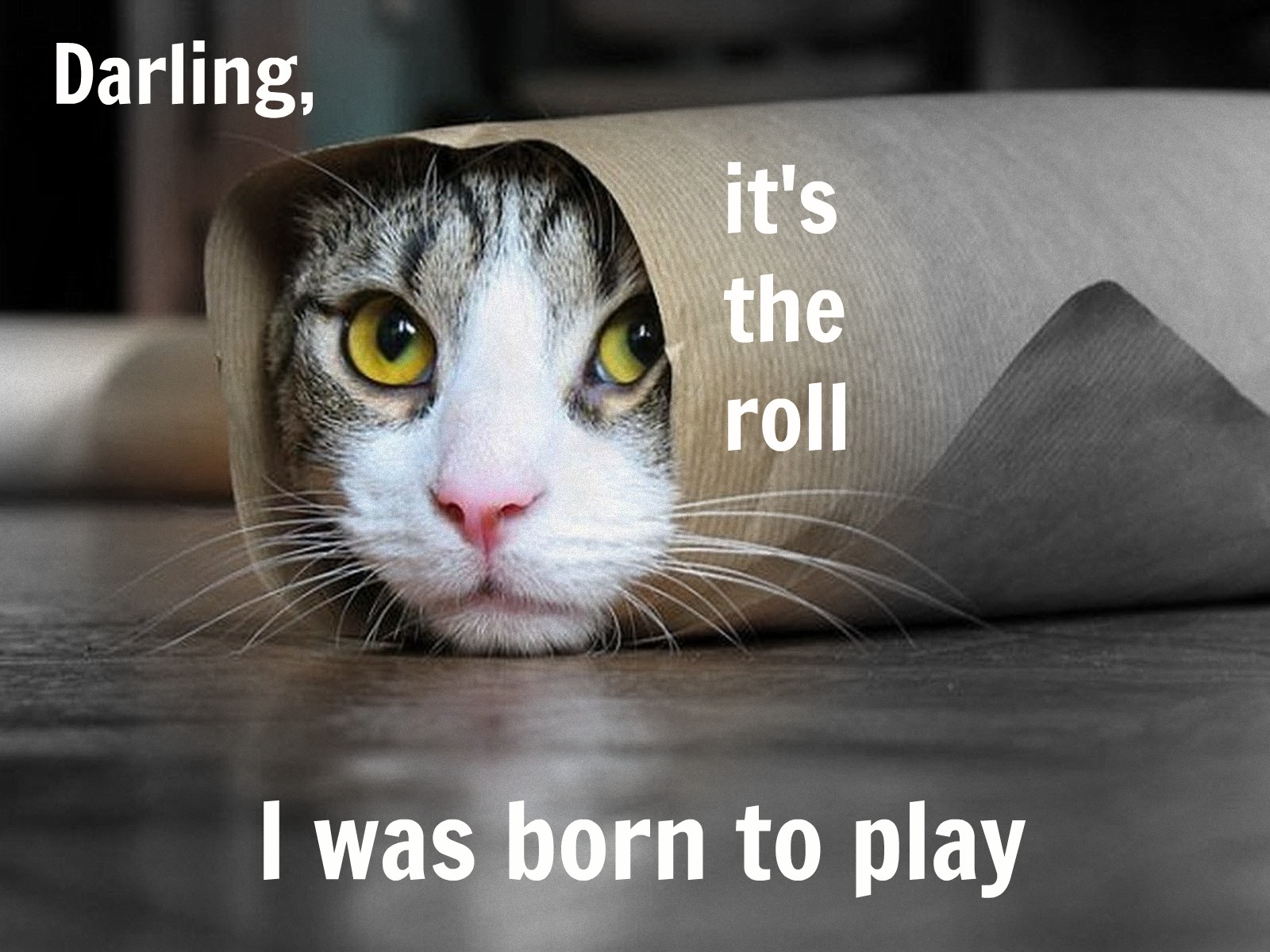
Dramatic Cat has found her role of a lifetime, courtesy of a penchant for puns.
Meme as digital poetics: Dramatic Cat has found her role of a lifetime, courtesy of a penchant for puns by yours truly.

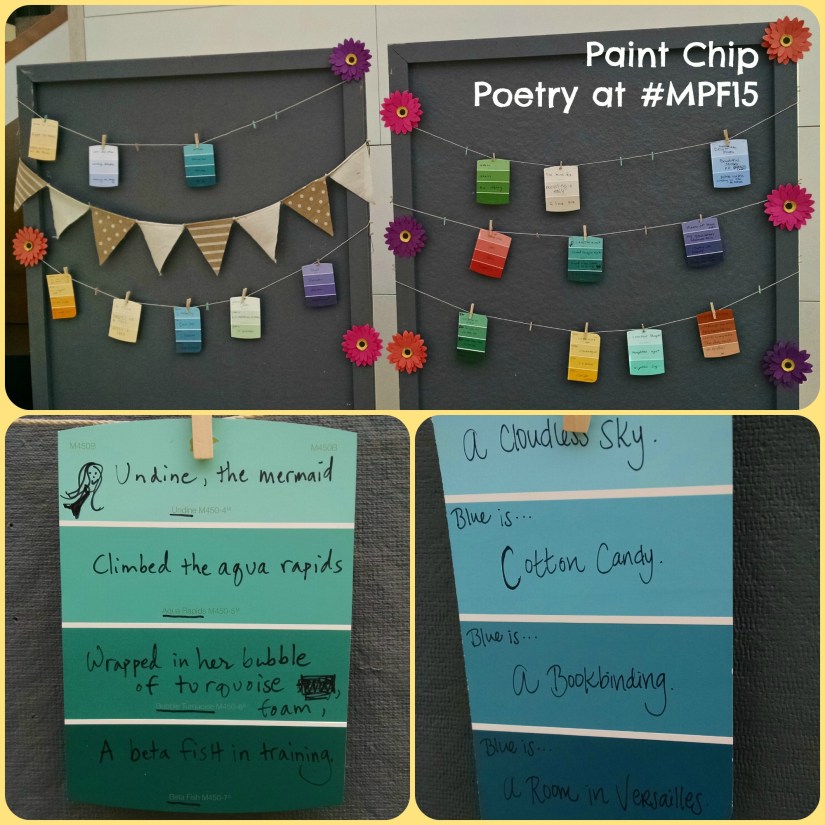
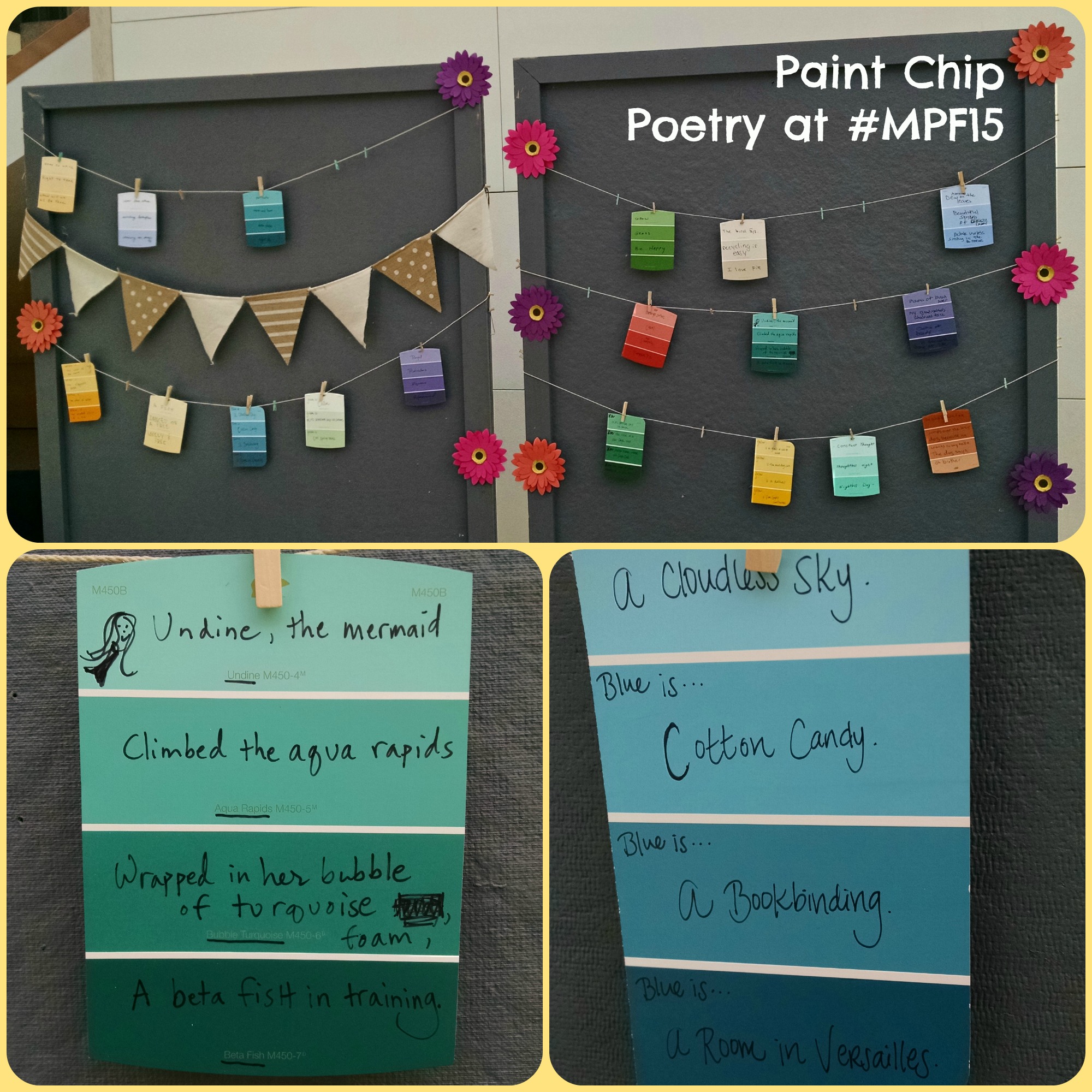
I learned about Edna St. Vincent Millay, read aloud and listened to a great collection of winter and spring poems from my fellow long-suffering New Englanders, and had many a meal with friends old and new.  Finally, I was pleased to see that PEM continued to play with words and art, featuring Mad Libs Muse prompts featuring ‘erasures’ from famous poems, paint chip poetry focused on color and brevity, and even a giant Scrabble game.

paintchippoetrympf15

Thanks and congratulations again to Michael, Jan, and Laurin for putting together another spectacular weekend!

Uncategorized

Narratives Found: A day of surprise and serious wordsmithing

I have lots of thoughts about the last few days of the Mass Poetry Festival, so expect those in a subsequent post, but first I’d like to say ‘thanks!’ to everyone who attended my workshop “Found Narratives” on Sunday morning at the Peabody Essex Museum. I promised I’d put my presentation up online, so the slides are below, with a summary of the ideas that kicked off our writing session.

http://www.slideshare.net/mwinikates/meg-w-mapofest15foundnarratives

What is the role of curators in creating an exhibition, and how is that like (or unlike) the role of a poet?

Curators have a number of roles:

  • Caretaker/Historian/Preservationist – all exhibitions are a continuation of, response to, or rejection of previous history (art history, historical narrative, etc.)  By choosing to include objects, artworks, etc. in a show, curators demonstrate that they think these particular things are worth saving, displaying, and sharing.
  • Author/Editor – curators pick which exhibition elements will best help them tell the story of the person/place/time period/movement/historical event that they want to tell.
  • Interpreter – A good curator (through a good exhibition) poses questions, invites discussion, offers new perspectives, and has an impact on the viewers that gives them a brain-tingling set of new ideas and questions of their own.

Arguably, a poet has much the same set of roles:

  • Historian – all poetry draws inspiration from, responds to, rejects, or reworks the written (and oral!) canon and literary tradition that preceded it. Play and challenge are vital acts of the poet-as-historian.
  • Author/Editor – words are a poet’s tools, and which words you pick and which words you juxtapose, emphasize, etc. are the keys to creating a poem with impact.
  • Interpreter – “If it blows the top of my head off, I know it’s Poetry.” Emily Dickinson was right on, IMHO. Just like visual art, a good poem makes the reader think, question, observe, react, feel, breathe a little differently than before they encountered the words.

The power of both of these roles is in the choices that we make.

Blank walls, blank paper, blank screen. You can put anything there in any order, so where do you start? It all depends on the impact you want to have. Are you aiming for accessible or inscrutable? Mysterious? Open? Comforting or confronting? Your goal determines your choices as much as your natural voice does.

In the case of an exhibition, there are numerous voices involved, of course. Aside from the curator, there are exhibition designers, an interpretive editor, often an educator, all offering suggestions which will help highlight and shape the story the curator wants to tell.  The team’s choices form the bridges for the connections visitors will make when standing in the space.

Will there be long sight lines or lots of small spaces? Which pieces are in conversation with each other, whether in support or in opposition?  Do you hang them together or separately? What color are the walls?  How much extra information do you put on the labels/wall text? What style font do you use?

For poets, this correlates to choices about line length, word juxtaposition, rhyme and meter, form.  Where do you want your viewer’s/reader’s eyes to go next?

The Idea for the Workshop

All this discussion grew out of a collaborative project between myself and photographer Michele Morris, Palettes of Light, in which we paired images from two of her series and then I wrote a poem connecting the two. It seemed a natural progression to me that this would work with any pair of artworks, provided that the poet started with two pieces that resonated with them for one or more reasons.  Ekphrastic poetry has a long and proud history (Musee des Beaux Arts, anyone?), and this is a way to celebrate not only the creative efforts of the visual artist, but also the imaginative connective power of the viewer. (A workshop participant later described this exercise as ‘Next Level Ekphrasis’ and said she was going to teach it to her students, which made me very happy indeed.)

The Task: Find your Narrative

In preparation for spending time in two exhibitions, I asked the workshop participants to do the following:

  • Find 1-2 works in each of the exhibits that really sang to them, for any reason at all.
  • Brainstorm a list of words and phrases provoked by each work.
  • Take photos of the works to use for future reference.  (There was a hard limit of 10 minutes per gallery to make sure we had time to get back to the studio to write, and poetry and art appreciation both benefit from more time.)
  • Once back in the studio, find a connecting thread between the 2 works.
  • Write ‘the bridge,’ aka, draw out the connection and give it support using the inspiration from the two artworks.
  • If they hated everything from one exhibit, they could pick 2 from the same exhibit. (No one who chose to share their work at the end chose this option.)

How do we get there? The Source Material

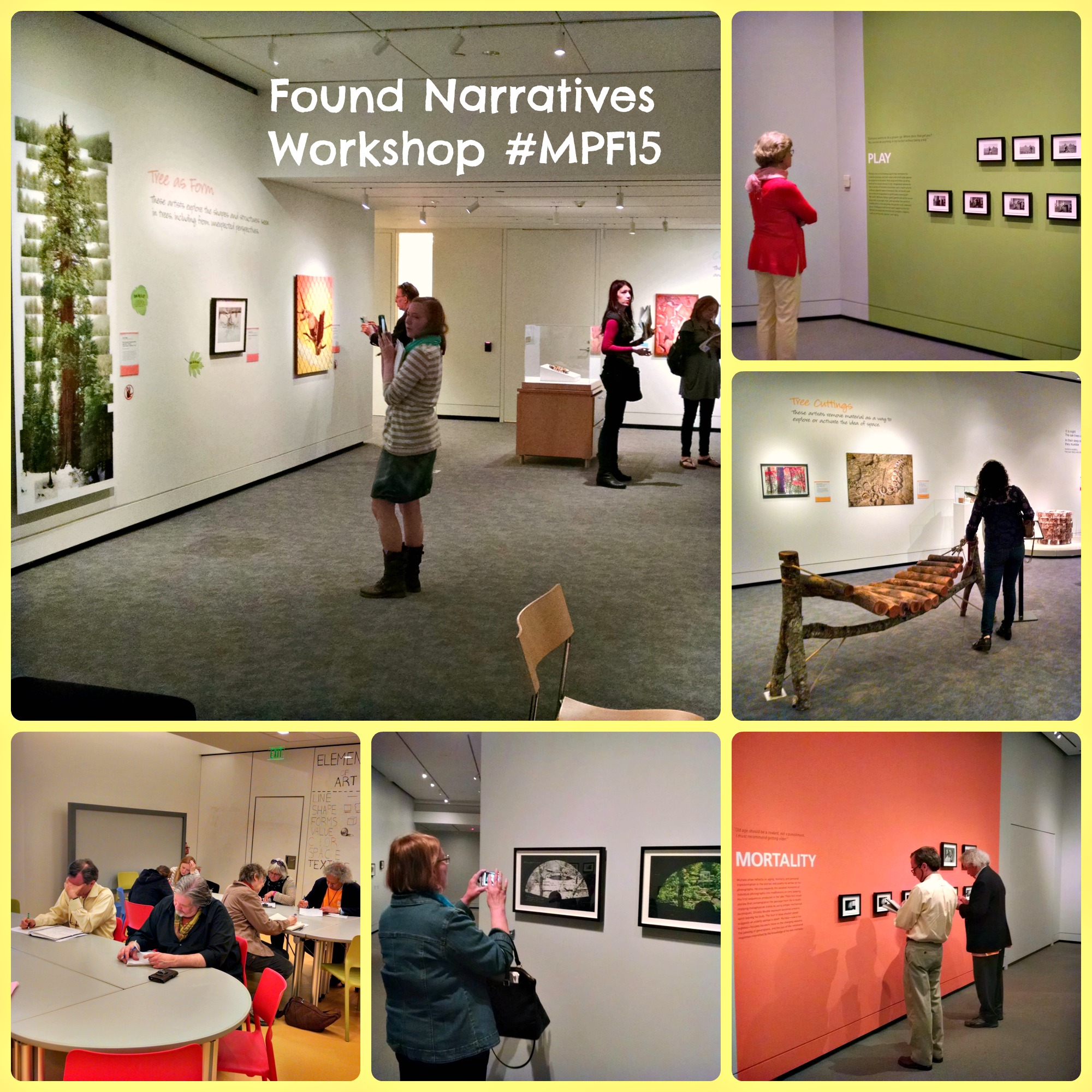
Using Visual Thinking Strategies, we spent a few minutes in each gallery as a group looking at one art work.  I asked only three questions (“What do you see?” “Why do you say that?” and “What else?”), and let people build upon their own and others’ observations to discuss the work in front of them, then let them go to explore each gallery.

Stop 1: Duane Michals, Storyteller

I picked this show because Michals often treats his photographs as a storyboard: there’s a lot of narrative, sometimes with his own reflections, stories, memories, and poems written directly on the surface of the print. He has a playfulness to a lot of his work that I find appealing, and many of his themes tie easily into poetry (time, mortality, desire, wonder, discomfort, humor).

Stop 2: Branching Out, Trees as Art

This show focuses on the way artists use trees as both artistic material and as inspiration.  There are many more abstract works in this exhibition, and lots of themes about the ways humans relate to their environment.

On their own time, I encouraged participants to explore the rest of the museum as well and try this exercise again.

foundnarrativesmpf15

Possible Connections

There are a lot of ways to find a bridge that connects two seemingly disparate artworks.  The following list I had up on display for participants to consider as they began their writing:

  • Theme
  • Emotional reaction
  • Visual similarities
    • tone
    • texture
    • composition
    • color
    • movement
  • Resonances or dissonances
    • personal memories
    • references to artistic/literary tradition
    • using one artwork as a metaphor or frame for the other
    • timelines (cause and effect, before and after, etc.)

Participants then had about 15 minutes to work on their poems, and time at the end of the session to share their favorite lines (or the whole poem if it was short).  About half the workshop chose to share, and I was really impressed with the vivid language, the fantastic imagery, and the unusual connections they made.  I was also pleased, amused, and a little surprised that a few people chose an interactive element (an amadinda, similar to a log xylophone) instead of an artwork for their second piece.  I had, after all, asked them to find a piece that ‘sang’ to them–a few took me quite literally!

Do you find visual art a stimulus to your writing? Would you try this exercise or share it with your students/writing group? Have you tried it and do you have a result to share?  Add your thoughts to the discussion in the comments below!

Uncategorized

Highlights from Boskone

Between holidays, snow, and work commitments, this was maybe  not the ideal weekend to go to a sci-fi/fantasy convention.  I went anyway.  Last year was my first con ever, and much as I had an immensely enjoyable time at Arisia, I’d heard Boskone had a lot going for it as well, so that was this year’s adventure in geekery. (So far.  It’s only February, after all.)

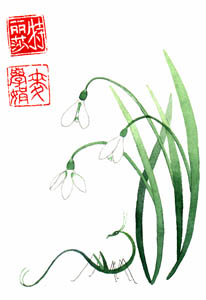
"Snow Drops" by Patricia McCracken, my favorite artist find from this year's Boskone. Click for source (and to order her lovely prints!)
“Snow Drops” by Patricia McCracken, my favorite artist find from this year’s Boskone. Click for source (and to order her lovely prints!)

One of the selling points of Boskone is the chance to have a close encounter with some pretty big names in the world of sci-fi and fantasy writing, and when I saw that this year’s guests of honor included Jane Yolen and Seanan McGuire, I was definitely sold.  I do, after all, have that thing about meeting your literary heroes, and I’ve been a fan of Yolen’s basically since I learned to read.  Though I only started reading McGuire’s Rosemary and Rue this week, I’ve been following her on Twitter and Tumblr for a while and have a lot of respect for the way she interacts with her fans and the way she stands up for inclusion and respect in geek culture.

Despite having an abbreviated stay at Boskone due to weather et al, I had a fabulous time.  It was as inspiring and entertaining as I hoped, and the worst part was that there were way more events I wanted to attend than I had time for.  These are some of my favorite moments from the weekend:

  • “Finish It!” panel on ways to cope with and defeat everything that gets between you and finishing your novel: best tips included setting yourself manageable goals like ‘write non-stop until the end of the playlist,’ and making sure to ‘touch base’ with your novel every day, even if that means writing up bits of background for minor characters or historical elements to your world instead of advancing the main story.  (With the bonus that you might get a short story or another book out of those extra elements later!)
  • “The Evolving Role of Heroes” panel on what’s beyond Joseph Campbell: lots of great questions raised about heroes outside the Eurocentric hetero male model.  Author Greer Gillman talked about how many of the female hero stories centered less on the ‘zero to hero’ trope and more on the idea of finding a way out of restrictive circumstances (labyrinths, castles overseen by older, dangerous people), finding a solution to a problem (and often rescuing a clueless boy as a side-project).  Others talked about how all heros’ journeys are about self-discovery–but some are about following the steps to taking power (Aragorn), and others are about being forced out of one’s comfort zone for the greater good (Frodo).  There was also a fun discussion of alien cultures and what would heroism look like in a collective society, what would our concepts of heroes look like to them, etc.
  • “The Light Fantastic” and “Humor in SF” panels each focused on recommending and supporting the happier, more humorous side of sf/f, and on the defense of escapism and humor as a teaching tool and cover for topics that are actually harder to take on in drama.  Bruce Coville was particularly entertaining in the SF panel, and in between admitting to having an 8 year old’s sense of humor and telling body humor jokes, handed out some great advice about emotional pacing and build-up (“three and a topper”), pleas for wit over thin parody, and ‘cute and fuzzy humor with teeth.’  Plus I got a list of new authors to check out, bonus.
  • Interview with Seanan McGuire pretty much had me laughing the entire way.  Not a lot of focus on writing technique, etc, but who knew reptile and raven rescue stories could be so funny?
  • Discussion group with Joshua Bilmes, literary agent, who took the time to answer lots of questions about networking, the search for an agent, what to look for in an agent, and to dispel myths about needing short story credits to query for a novel, etc.
  • Tea and Coffee with Jane Yolen! 45 minutes at a table with Yolen and 9 other people, in which I did not make a blithering idiot of myself and asked a few relatively intelligent questions about the market for recast fairy tales, got to hear about some of her new projects, her opinions on how authors should or should not try to tie in with the Common Core, and all kinds of other fascinating stuff.  I didn’t take notes because it was an informal conversation, but she was warm and funny and just so incredibly cool.  Definitely the summit of my con experience.

In short, chances are good I’ll be going back next year.